

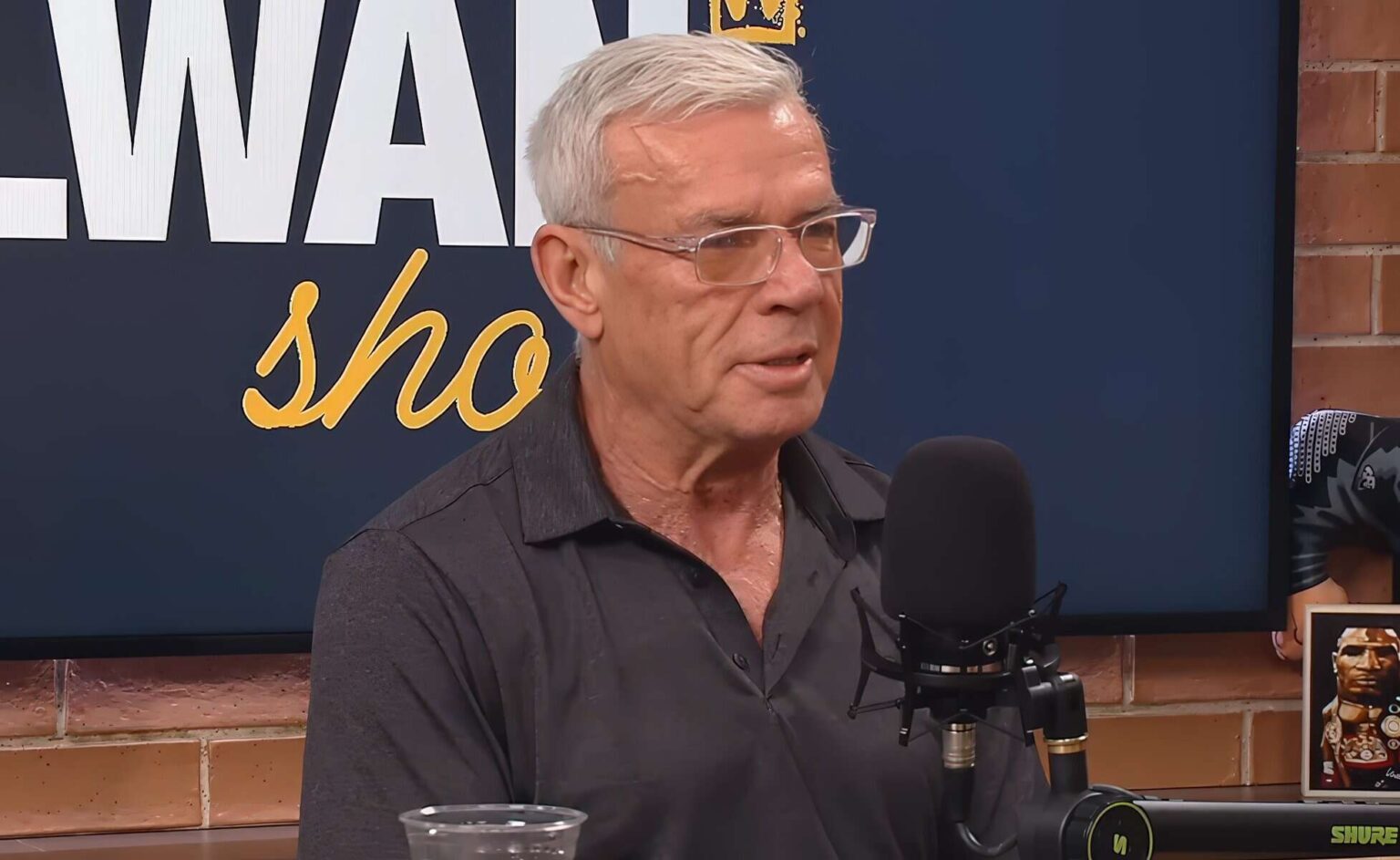
Eric Bischoff has expressed that frequently changing a world championship title diminishes its value, admitting that he himself has been responsible for this issue in the past. The Undisputed WWE Championship has switched hands five times in 2026, with the latest being Sami Zayn defeating CM Punk on SmackDown in Mexico City. During a discussion on the 83 Weeks podcast, Conrad Thompson asked Bischoff whether frequent title changes on free television help or if they lead to diminishing returns.
Bischoff began by explaining the purpose of a championship belt. He emphasized the need for clear roles—a hero and a villain—in conflict, with a meaningful storyline, a journey, and high stakes. The championship, he said, represents the highest stake, even greater than family in some cases, and this perception must be effectively conveyed to the audience.
The challenge then lies in how the title is handled. Bischoff explained that it’s vital to protect and build up the belt without devaluing it. He prefers to keep the title on a villain (“heel”) for as long as possible until a hero (“babyface”) is ready to take it, although he admitted he doesn’t have a definitive answer on all aspects.
He did stress, however, that changing the title too often reduces its significance. If frequent changes do not affect the overall business or storytelling, the audience loses interest and the title changes lose impact. Bischoff also confessed to having made this mistake himself and acknowledged that knowing when to stop is crucial.
He differentiated world championships from secondary titles, stating that lesser titles can be switched more frequently to maintain stakes in the mid-card. Ideally, these secondary belts should serve as stepping stones toward world title opportunities—a process he believes hasn’t been managed properly for a long time.
This belief prompted a conversation about an established mechanism: top ten rankings. Thompson recalled that WCW had a ranking system on its weekend syndication shows when Bischoff took over, listing champions and contenders along with detailed stats. Bischoff sees such rankings as more necessary now than ever and believes they could work, albeit requiring significant effort, discipline, and upkeep to prevent disarray.
The main obstacle, Bischoff said, is coordination between creative and PR teams. Marketing works with long-term plans, often 90 days ahead, while live TV must adapt quickly to unexpected changes like injuries or travel issues, creating conflicts in scheduling.
Bischoff drew inspiration from sports radio, where discussions revolve around betting odds and underdog debates, adding excitement beyond just statistics. He argued that a structured rankings system could offer similar engagement in wrestling by providing a clear, ongoing narrative framework, but it must be supported consistently across all audience interactions.
While AEW has run a ranking system since 2019 (with varying emphasis), WWE currently does not. Bischoff believes that a promotion’s top championship should be reserved for major events like WrestleMania or All In, making those moments truly special.
Bischoff’s tenure at WCW involved frequent world title changes on Nitro, including notable but controversial shifts like David Arquette’s reign in 2000 and Goldberg’s victorious moment over Hulk Hogan in 1998. The recent five title changes mentioned encompass Drew McIntyre in January, Cody Rhodes in March, Sami Zayn at Night of Champions in June, CM Punk in July, and Zayn again in September—his first reign lasting only nine days.
Fan Take: For fighting fans, Bischoff’s reflections highlight the delicate balance between keeping storylines fresh and maintaining the prestige of championships. Introducing a disciplined rankings system could add much-needed clarity and excitement, potentially elevating the sport’s storytelling and making title pursuits more meaningful and engaging.
Source: wrestlingnews.co