Week 1 gave us everything that makes football great. Week 2 reminded us of its worst element: injuries.
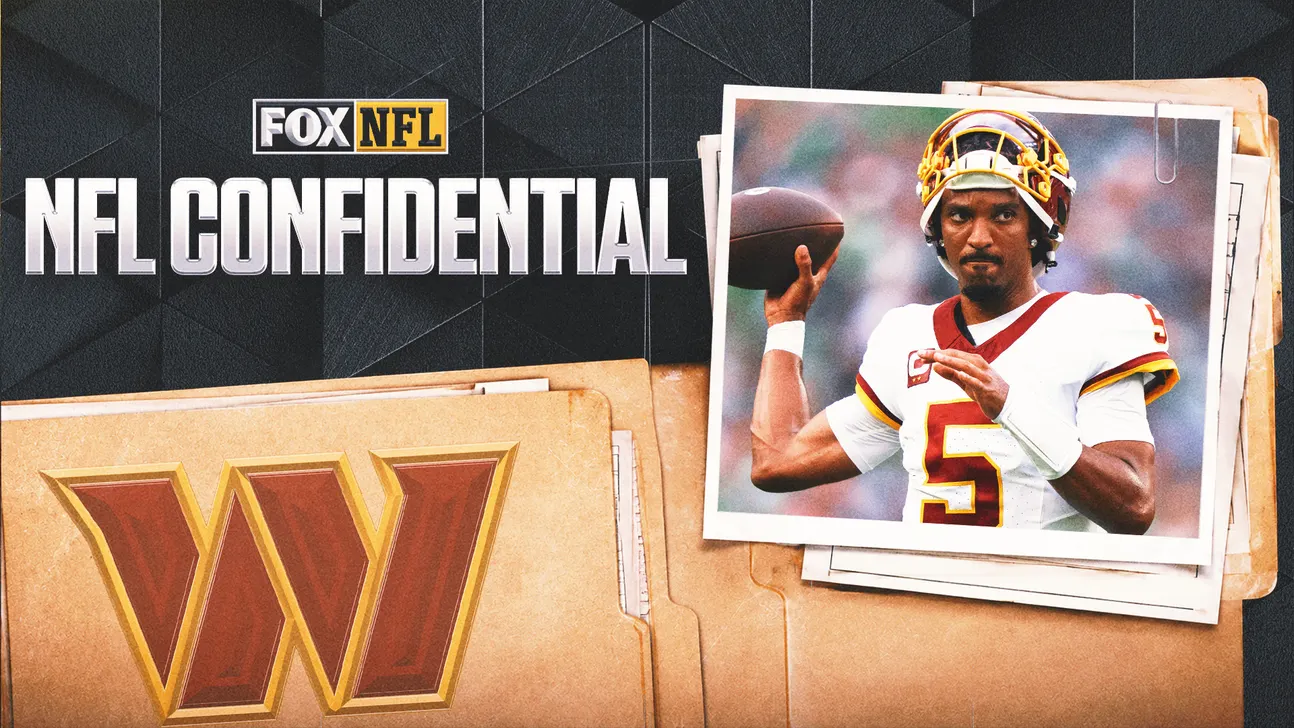
Three up-and-coming quarterbacks suffered serious setbacks Sunday that immediately looked like season-changers. Caleb Williams left the Bears’ game with a hamstring issue that has since shown encouraging signs, but Jayden Daniels of the Commanders could be sidelined for an extended stretch after dislocating his elbow, and Giants rookie Jaxson Dart appears to be out for the year with a knee injury.
In the short term, those teams will turn to backups. Longer-term, though, the damage is more worrying — especially for Washington and New York, whose futures were thought to hinge on Daniels and Dart, respectively.
NFL scouts and executives reacted with disbelief and concern as the injuries unfolded. One scout said he watched the games “sink in” as Williams, Daniels and then Dart went down, noting that this weekend felt like a rare wave of misfortune for young QBs.
A common theme among evaluators: quality backup quarterbacks are scarce today. The era when elite talents sat behind proven starters is largely gone, so having to rely on a second-stringer for an extended period is a serious downgrade. Teams forced into that situation typically simplify the offense, emphasize the run and try to minimize mistakes because the drop-off at QB is so consequential.
The Bears may be the least worrisome case. Some scouts believe Chicago’s offense, built around Ben Johnson’s scheme and a strong running game featuring D’Andre Swift and Kyle Monangai, can still win enough to be competitive without Williams. There’s also some confidence in the Bears’ reserve options — Tyson Bagent (recovering from a concussion) or veteran Case Keenum — and in Johnson’s ability to tailor the system to their strengths.
Daniels’ situation raises both health and contractual questions. He’s had multiple injuries early in his career — knee, hamstring and now a dislocated elbow — despite an impressive rookie season that included an NFC Championship appearance and Offensive Rookie of the Year honors. With two years left on his rookie deal, Washington must decide whether to push for a lucrative extension now (with protective language) or wait until after Year 4 to see if he can stay healthy. Sources expect the team to lean toward the more conservative approach.
Dart’s injury also fits a worrying pattern: he missed time last season with a concussion and suffered repeated head impacts. Executives point to the NFL adage that “hurt guys get hurt,” and both the Giants and Commanders will need to weigh how much money and roster commitment to place on players with recurring injury histories. That might mean upgrading the backup room, keeping a developmental QB on the roster, and investing in the offensive line to better protect their franchise signal-callers.
Ultimately, teams will try to project the best path forward — hope their studs recover and build contingencies around them — but these setbacks are a stark reminder of how fragile QB plans can be.
Fan Take: This matters because quarterback injuries instantly reshape playoff odds and a team’s long-term strategy; losing young franchise QBs can stall rebuilds and force difficult contract decisions. For fans, it’s a reminder that depth, roster construction and protection schemes matter as much as star talent in determining a team’s season.
Source: www.foxsports.com