A lawsuit filed by Joe Gibbs Racing (JGR) against Chris Gabehart and Spire Motorsports in mid-February is scheduled to go to trial on February 1 next year, less than a year after the case began. Alongside the original complaint, the defendants have filed two counterclaims, accelerating the legal process in hopes of resolving the matter before the 2027 NASCAR Cup Series season kicks off. This expedited timeline has posed significant challenges for all involved parties throughout the summer.
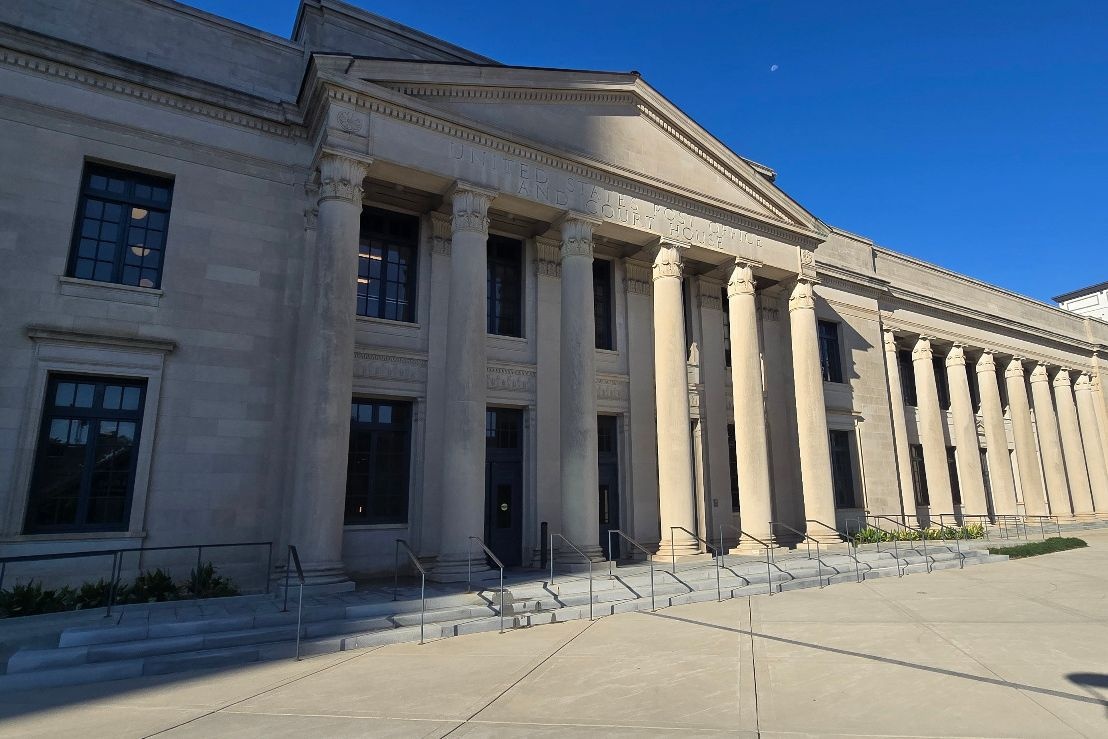
Typically, intellectual property and corporate espionage cases can drag on for years as both sides engage in extensive fact discovery. However, JGR, Spire, and Gibbs have managed to reach numerous agreements but still required a hearing last Thursday at the Charles R. Jonas Federal Building, presided over by magistrate judge David C. Keesler, to resolve outstanding discovery disputes. Issues that the parties could not settle will be decided by the magistrate, with details available from the hearing.
While much of the hearing focused on procedural matters, a new revelation emerged: Chad B. Walker, representing JGR, alleged that Gabehart had access to JGR confidential information on devices until as late as June, contradicting Gabehart’s claim that he returned all materials in December following a digital forensic review. Judge Susan C. Rodriguez had previously ordered Gabehart, via a temporary restraining order in March and a preliminary injunction in April, to return all JGR files. Despite this, at least one JGR file was discovered on a Spire-issued computer Gabehart briefly used before it was taken back in spring. Since then, he has operated without a company computer, email, or server access at Spire, raising credibility concerns—including from Judge Rodriguez—regarding potential misuse of proprietary data during his tenure as Spire’s Chief Motorsports Officer. Nevertheless, JGR has not yet presented evidence linking this information to Spire’s car setups this season, which remains the focal point of the trial and discovery motions.
Among the motions discussed was a request for metadata that might reveal when Gabehart accessed JGR’s information.
Demands from Spire and Gabehart
During the hearing, Spire’s attorney Lawrence J. Cameron emphasized the defendants’ desire for a clear and final list of specific trade secrets under dispute, as JGR continuously introduces new examples of alleged misuse. Cameron argued that without such clarity, it is unfair to add new allegations close to trial. JGR counsel Tory Ian Summey countered that investigations are ongoing, with new instances of misappropriation routinely uncovered, including those related to Gabehart’s extended access to data. Judge Keesler questioned when the parties would fully understand the case’s scope, with Summey noting that the compressed trial schedule complicates the process.
Spire’s lawyer Troy C. Homesley raised the point that some disputed information could reside in Gabehart’s own knowledge from his long career and that JGR cannot expect him to forget all he has learned, apart from explicit proprietary items stored or photographed. As part of discovery, Spire seeks the complete OEM agreement between JGR and Toyota to clarify if some information claimed as JGR’s actually belongs to Toyota, which would exclude it from litigation. This request also aims to scrutinize JGR’s damages claims.
Gabehart’s attorney, Anna Claire Tucker, supports this and argues that similar agreements exist between Toyota and other teams like Legacy Motor Club and 23XI Racing, meaning the disputed data may not qualify as trade secrets. Both Toyota and JGR object to full disclosure of this agreement, citing protection of sensitive information. Toyota’s attorney Nathaniel James Pencook expressed willingness to share parts of the agreement but withheld complete access to safeguard proprietary content, a stance opposed by both defendants and Judge Keesler.
Moreover, Spire and Gabehart seek documents detailing Gabehart’s responsibilities as JGR’s competition director to counter allegations he is performing similar roles at Spire. Tucker also requests internal Toyota communications involving executives about the non-compete clause and breach of contract claims against Gabehart. Toyota resists, citing the burden of reviewing around 2,000 potentially relevant documents and asserting that the propriety data belongs to JGR, not Toyota—a claim that both defendants and the judge challenge.
Interestingly, attorney Pencook read a sealed deposition excerpt where Coach Joe Gibbs admitted he informed Toyota’s Tyler Gibbs about the lawsuit as a professional courtesy but did not seek Toyota’s permission to proceed, contrasting with defense claims that the two entities coordinated their legal actions closely.
JGR Seeks Spire’s Car Setups
To support its allegations, JGR has asked the court to force Spire to produce all car setups for 2025 and 2026 so far, believing this will reveal Gabehart’s misuse of proprietary knowledge. Judge Keesler expressed concern over the intrusiveness of this demand. JGR also requested notes and recordings from various team meetings throughout the season. Spire produced some meeting notes but claimed no recordings exist; JGR is pressing for the court to compel further documentation and limits deposition hours with key witnesses to seven.
Walker stated that JGR would share 2025 setups if Spire provided both 2025 and 2026 data. Cameron opposed the broad and costly request, warning it could delay the trial scheduled for February 1, especially as the racing season continues toward the 2026 championship with playoff contenders on both sides. The judge must rule on these production issues by Monday.
Walker was firm that halting discovery early due to timing constraints would be unacceptable. Spire and Gabehart want JGR to define clearly which trade secrets are at issue so all sides can properly prepare expert reports, conduct depositions, and engage in settlement talks ahead of what will be a two-week trial starting in February.
Hendrick Motorsports’ Role
Hendrick Motorsports sought and was granted permission to speak as an “interested non-party” in the case. Attorney C. Bailey King Jr. explained that Hendrick shares valuable proprietary information with Spire and wants to protect its interests. Many of Hendrick’s concerns were resolved shortly before the hearing; JGR removed its request for Hendrick communications containing their most sensitive data and agreed to allow Hendrick to review and redact files before sharing them with JGR attorneys.
Fan Take: This lawsuit exposes the high-stakes tensions behind the scenes in NASCAR, showing how closely guarded technical secrets are and how fiercely teams protect them. The outcome could reshape how teams manage personnel moves and safeguard proprietary technology, impacting competitiveness and trust within the sport.
Source: www.motorsport.com