
In an ideal situation, NBA teams would base every roster decision solely on basketball performance, but reality often differs. Team chemistry can be complicated, with players fiercely protecting their roles, which influence their reputations, salaries, and careers. As a result, teams sometimes have to make choices geared more toward maintaining harmony than purely basketball reasons.
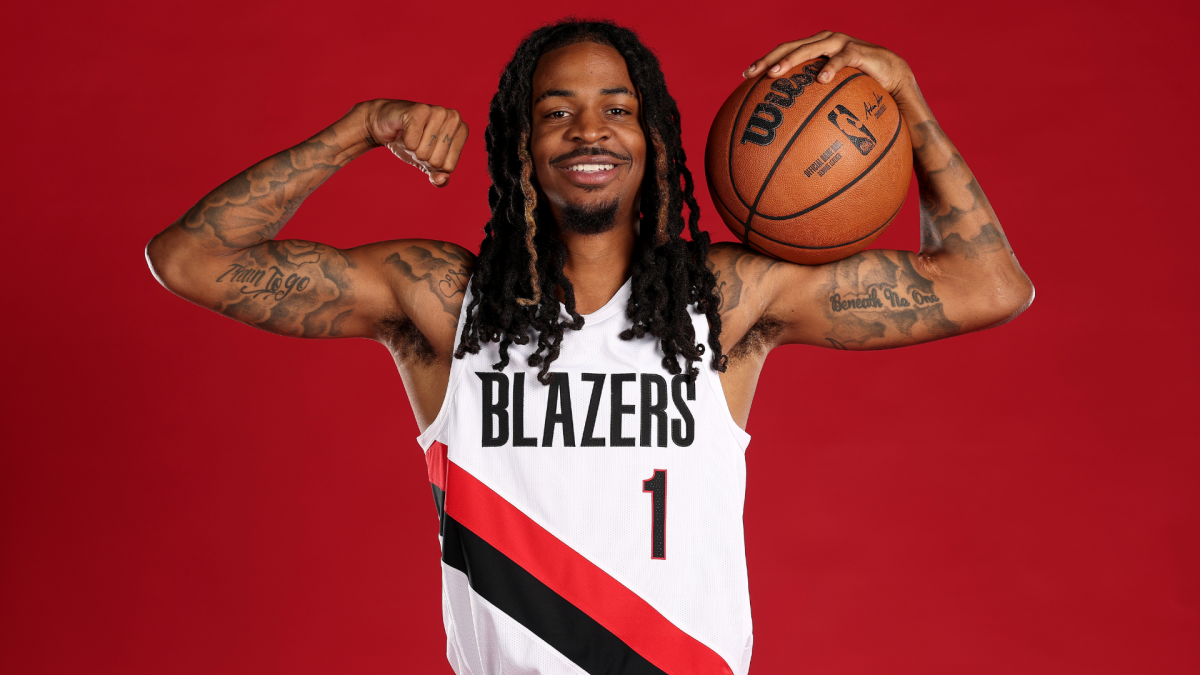
The Portland Trail Blazers currently face this challenge. They traded for Ja Morant during the offseason and previously brought back Damian Lillard as he recovered from a torn Achilles. Last year, Deni Avdija emerged as an All-Star and Portland’s most consistent ball-handler. However, having three primary playmakers on the court simultaneously may cause problems. Surprisingly, Lillard mentioned during training camp media sessions that he expects to start alongside both Avdija and Morant this season.
This came as a surprise to first-year coach Micah Nori, who has yet to finalize the starting lineup. According to The Athletic, Nori indicated that starting both Lillard and Morant together might not make much sense strategically. Avdija, being the youngest and currently the best performer, is expected to hold a starting spot.
The real issue is deciding who should start alongside Avdija. From a basketball standpoint, starting both Lillard and Morant together likely isn’t the best move, given that they could form the league’s weakest defensive backcourt. Also, having two other ball handlers diminishes Avdija’s influence, and Morant’s subpar shooting could clog the floor further. Ideally, these concerns would have been addressed during trade discussions for Morant, but now the team must figure out how to best utilize the new lineup.
The straightforward solution is for Morant to come off the bench. Lillard offers a healthy blend of skills that Portland needed last season and planned for this year. His shooting ability allows him to operate effectively off the ball while Avdija handles the ball, and his strong pick-and-roll skills could open opportunities for Avdija. This balance may also help Avdija improve defensively after focusing so much on offense last season.
Lineups featuring a balanced Avdija alongside role players like Donovan Clingan, Toumani Camara, and a top-tier guard such as Jrue Holiday possess enough defensive potential to compensate for Lillard’s well-known defensive weaknesses. This setup would allow Morant to lead the bench unit rather than split minutes with starters.
The risk of acquiring a player like Morant is that his effectiveness hinges on being the primary offensive creator. His struggles with shooting and defense don’t translate well into a complementary role. Even if he returns to his former form, maximizing his value means giving him the ball as much as possible. On a team with other ball dominant players including Avdija, Lillard, and soon-to-be extension-eligible Scoot Henderson and Shaedon Sharpe, Morant’s role is less central than it was in Memphis.
Using Morant as the sixth man enables him to play at his best when he’s on the floor, even if his overall minutes are limited. This approach makes the most basketball sense, though it may not be the most popular among Morant and his teammates.
This presents a challenge for coach Micah Nori, who is in his first year at the helm. Few 27-year-old former All-Stars are eager to accept coming off the bench. Morant has rarely done so in his career and has only two years left on his contract despite earning a max salary. A move to the bench might be best for the team’s success but could create internal tension, especially considering salary implications.
Nori is mindful of these complications. He’s currently planning to start Lillard and Morant together during the preseason to assess how it works. Acknowledging the challenges in shifting Morant to a bench role, Nori remarked that while it might seem manageable from the outside, he isn’t certain how Morant will feel internally.
This scenario likely requires resolution on the court, similar to how Russell Westbrook’s benching unfolded with the Lakers and Clippers. Coaches often use initial games to test lineups before making tough decisions, which can become easier as more evidence emerges.
However, Nori lacks the experience and authority of coaches like Ty Lue, who wield significant influence based on prior success. Morant is also younger and newer to the Blazers compared to Westbrook’s situation with the Clippers. Additionally, Nori faces the pressure of effectively managing player roles, team dynamics, and a front office that likely did not anticipate using a $40 million player off the bench while working under a one-year contract himself. Although he says this won’t influence his decisions, the reality of a struggling start could complicate matters.
Ultimately, the Blazers may have to convince Morant to accept a bench role. How well they manage this transition could determine their season’s success.
Fan Take:
This development is crucial for basketball fans because the Blazers’ ability to integrate multiple star-caliber playmakers without compromising team chemistry could reshape how NBA teams handle similar dilemmas. Watching how Portland navigates this high-profile balancing act may provide valuable insights into roster construction and coaching strategies in today’s star-driven league.
Source: www.cbssports.com