

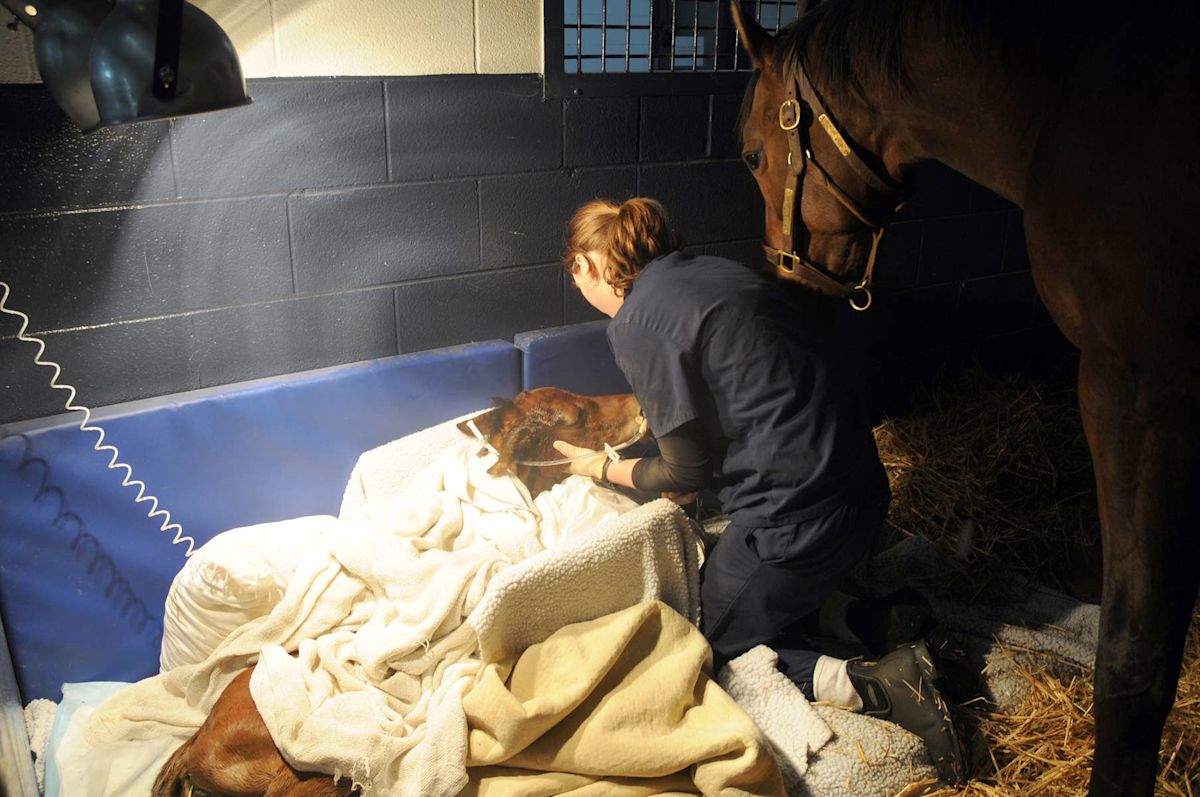
For anyone involved in breeding or raising horses, it’s deeply distressing to see a foal that seemed healthy suddenly struggle to breathe. This happened to a breeder whose three-month-old colt had been doing well until he suddenly showed severe respiratory problems. A lung scan confirmed Rhodococcus equi (R. equi) pneumonia, and within hours, the foal’s condition worsened to the point of needing hospitalization and intensive care.
R. equi infections are especially tricky because they can develop quietly in the lungs before clear symptoms show up. By the time signs such as fever, coughing, lethargy, nasal discharge, or labored breathing appear, significant lung damage like abscesses and inflammation may already exist.
In this colt’s case, the illness became life-threatening. Treatment included oxygen therapy and aggressive medication aimed at fighting the infection and reducing intense lung inflammation. Even after leaving the hospital, the foal required weeks of round-the-clock care, ongoing medication, blood tests, and repeat lung scans.
Thankfully, the colt made a strong recovery. By late June, his blood tests suggested he might be ready to stop treatment, with hopes he could return to his paddock and resume normal foal behavior.
His story highlights a vital lesson for all horse owners—not just those involved in racing or breeding. Every horse we eventually ride or compete with begins as a vulnerable youngster whose future depends on timely disease detection and effective medical intervention.
For breeders and foal owners, understanding R. equi and spotting its early warning signs is crucial. A foal that seemed fine yesterday may urgently need veterinary care today. When that happens, early detection, expert treatment, and knowledge gained from extensive research give that foal a priceless chance to grow and thrive.
Understanding How Horses Combat R. equi Infections
Each year, R. equi poses a serious risk to foals, causing pneumonia that can be tough and costly to manage. While veterinary care has improved, scientists still have much to learn about how a foal’s immune system detects and fights the infection. A new research effort aims to fill these gaps and pave the way for better vaccines and treatments.
Researchers at Baylor College of Medicine and Texas A&M University, supported by the Grayson-Jockey Club Research Foundation, are studying how horses’ immune systems respond to R. equi. By using advanced technologies commonly applied in human medicine, the team hopes to uncover key insights that could boost equine health for years to come.
The project’s goal is to precisely identify what parts of the bacteria the horse’s immune system recognizes during infection. When infected, horse cells display tiny bacterial fragments on their surfaces as distress signals. Specialized immune cells called T cells detect these signals, helping the body target and eliminate the infection.
Using cutting-edge tools like high-resolution mass spectrometry, scientists can pinpoint these bacterial bits and determine which components trigger immune responses. This direct identification allows researchers to move beyond guesses and understand which bacterial elements matter most to the horse’s immunity.
To do this, lung cells will be collected from several horses through a routine veterinary procedure called bronchoalveolar lavage. These cells will then be exposed to R. equi in the laboratory. Researchers will isolate and analyze the bacterial fragments presented by the cells to map the proteins that activate the immune system.
The outcome will be a detailed chart of the bacterial targets most likely recognized by horses, information that could drive improved vaccines, better treatments, and a deeper understanding of how equines fight this disease. By merging innovation in immunology with equine medicine, this project aims to unlock new knowledge about one of the horse industry’s toughest infectious threats, ultimately helping breeders, horse owners, and veterinarians better protect future generations.
Why Research on R. equi is Crucial
R. equi can rapidly turn a flourishing foal into a critically ill patient without much warning. In the breeder’s example, a thriving three-month-old colt suddenly showed respiratory distress and was diagnosed with severe R. equi pneumonia, requiring intensive hospital care, oxygen support, and lengthy treatment.
This experience underscores why ongoing research into R. equi is essential. The disease often progresses covertly before symptoms appear, meaning treatment is demanding, expensive, and prolonged once severe pneumonia develops.
For breeders, advancements in prevention, early detection, and therapy could transform outcomes by allowing earlier intervention, reducing treatment burdens, and saving more foals.
As this breeder’s story demonstrates, scientific progress may seem distant—until it’s your foal battling for its life.
This story was originally published by Paulick Report on October 2, 2026, in their Horse Care section. Add Paulick Report as a Preferred Source by clicking here.
Fan Take: For horse racing enthusiasts, understanding the challenges foals face from diseases like R. equi is crucial because these young horses are the future champions. Advances in research and treatment not only protect equine health but also secure the next generation of competitors, ensuring the sport’s continued vitality and success.
Source: www.yahoo.com