

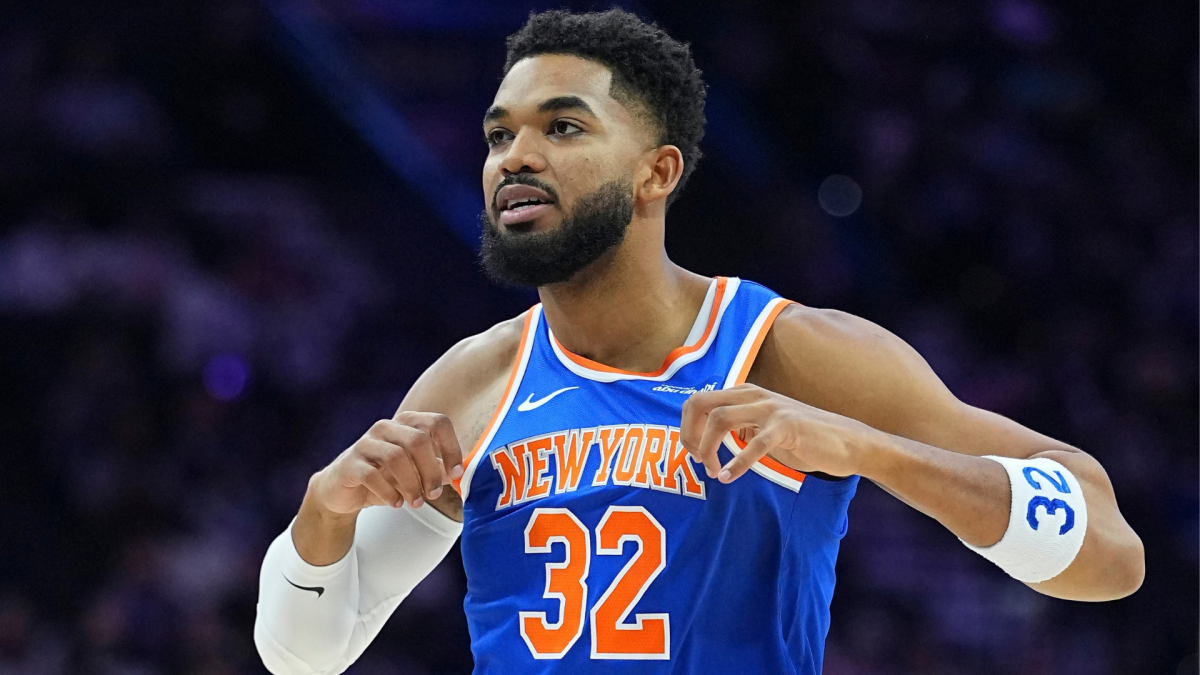
James Dolan has long been an easy figure to criticize, often seen as the NBA’s emblematic wealthy and disagreeable owner. While the New York Knicks’ recent championship—their first since 1973—temporarily softened his reputation, Dolan has returned to scrutiny amid contract extension negotiations for Karl-Anthony Towns, who many believe is being pressured unfairly. However, this narrative might be more about Dolan’s reputation than the actual situation. Although Dolan has made questionable decisions, like rehiring Isiah Thomas despite past controversies and maintaining a long-standing feud with Charles Oakley, he has never been stingy when it comes to team spending. Since Leon Rose became president in 2020, Dolan has largely taken a hands-off approach, allowing for a more professional management style within the Knicks’ organization.
The bigger challenge for the Knicks goes beyond just Towns’ contract. The team must navigate the NBA’s “second apron” salary cap, set at $221 million this season, which imposes tough restrictions for teams exceeding that limit. Dolan publicly stated that the Knicks would not surpass this threshold, calling any breach “suicidal” from a basketball standpoint. Few teams operate above this limit due to severe roster-building penalties, as exemplified by the Boston Celtics trading Jaylen Brown to avoid future salary cap issues. Towns is eligible for a four-year extension worth up to $276 million but is reportedly only being offered around $200 million, a significant reduction from what he might expect after leading the Knicks to a championship. While Towns has expressed skepticism about reaching a deal before the season, this doesn’t mean the organization undervalues him; they simply must balance paying Towns with commitments to other key players like Josh Hart and Miles McBride.
Considering various scenarios, if the Knicks pick up Hart’s $22.3 million option and Towns declines an extension to play the next season on his current deal, the team would have very limited cap space to complete the rest of the roster. This financial squeeze will become even tighter in upcoming years when base contracts for Jalen Brunson, OG Anunoby, and Mikal Bridges come due. If Towns receives his full worth, the team may have to cut or trade other valuable players to stay under the second apron. Still, Towns is expected to remain with the Knicks, as he is considered a vital part of their championship core—his shooting and playmaking were crucial to their recent success, often making him the team’s best player and a key rival to Victor Wembanyama.
The Knicks likely will offer Towns a discounted deal similar to the one Brunson accepted, which means they may have to reduce or part ways with other players, potentially McBride. The team’s signings of Ochai Agbaji, Bruce Brown, John Konchar, James Wiseman, and Drew Eubanks for training camp reflect a competitive battle for limited roster spots, with some possibly serving as replacements if trades occur. This situation mirrors what the Oklahoma City Thunder experienced as they trimmed their roster ahead of big upcoming contracts, keeping their championship core intact. Although difficult, the Knicks are expected to eventually agree on an extension with Towns—it’s just the reality of managing today’s salary cap constraints rather than Dolan being miserly.
It’s also important to note that if Towns opts to start his extension next season, he would be in his mid-30s by the end of the deal and earning upwards of $50 million annually. NBA contracts theoretically reward future potential, and paying such a high amount based on past performance carries risk. Examples like Donovan Mitchell’s long-term extension illustrate how contracts can become problematic if a player’s production declines in later years. While Towns doesn’t share some injury concerns of other high-paid stars, the Knicks must consider the financial implications of these long deals across their core players, many of whom will be in their 30s during subsequent contracts.
These are challenges any championship team faces—they are fortunate to have these issues because it means building a competitive roster. The Knicks will return this season largely intact and have a real chance to contend for another title, even without Mitchell Robinson. However, maintaining that success is complicated by the need to make difficult financial decisions and sacrifices within today’s strict salary cap framework. Towns’ contract impasse highlights the cold realities of the modern NBA business environment.
Fan Take: This contract saga sheds light on the harsh economic realities shaping the future of NBA teams, even for a crowned champion like the Knicks. Fans should pay attention because how New York handles Towns’ deal could set a precedent for balancing star player compensation with maintaining a competitive, well-rounded roster in an era of financial limits that demand tough choices.
Source: www.cbssports.com