

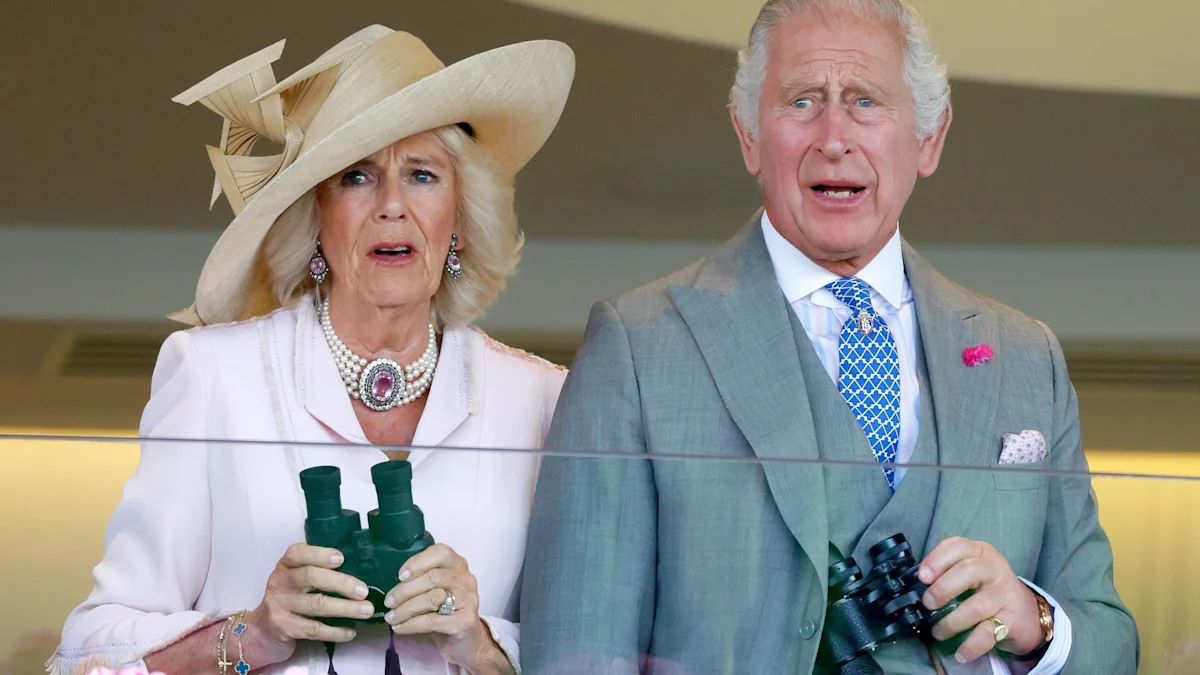
During the King and Queen’s tour of the West Indies, amid calls for slavery reparations, they couldn’t help but briefly think about their horse, Point Of Law, which they bred and sold to race in Australia, where he went on to claim victory in the Melbourne Cup. Despite the race’s significant £2.25 million prize, Australians cherish the Melbourne Cup as “the race that stops the nation,” valuing its prestige over the money, much like the Grand National in the UK.
While financial gain is typically a key driver in horse racing, every horse inevitably has a price—often one no reasonable buyer would decline. Although the exact amount the King received for Point Of Law from Frankel has never been disclosed, it’s rumored in Australia that the colt cost between £1.5 million and £3 million. Given his talent and potential risks, paying over £2 million would still be considered a wise investment.
Ultimately, the amount paid now appears modest, as Point Of Law earned a hefty sum with his Melbourne Cup triumph. Trainer Ciaron Maher embraced the horse’s spirited exercise routine around Melbourne’s Werribee course as a sign of robust health and stamina rather than erratic behavior. His confidence was vindicated when Point Of Law won the race by 3½ lengths.
What made the sale favorable for both sides was likely a substantial bonus clause tied to winning major races—a win-win situation. It’s not unusual for owner-breeders to part with their best horses to sustain their operations, as even Queen Elizabeth II did when she sold the famed broodmare Height Of Fashion to support breeding costs.
Until Queen Elizabeth II passed, the monarchy’s involvement in horse racing was sometimes uncertain, but her long-standing passion ensured its continuation. Despite initial doubts about Prince Charles’s enthusiasm, he has shown a deeper commitment than many expected—scaling back the royal stable to a manageable 15-20 horses but maintaining a rigorous presence in elite racing events. The King hosted all days of Royal Ascot, with winners under royal colors, and the Queen regularly attended major racing festivals.
Flying between family events to attend the Derby was a testament to the monarch’s dedication—a tradition upheld by predecessors such as Charles II, who established Newmarket as a racing hub, and Queen Anne, credited with the origins of Ascot Racecourse. George IV enhanced Royal Ascot’s ceremonies, while Queen Victoria ceased attending after Prince Albert’s death, and Edward VII passionately embraced the sport, famously winning the Derby with Minoru.
Queen Elizabeth the Queen Mother also balanced flat racing enthusiasm with jump racing love, highlighted by the infamous 1956 Grand National when her horse Devon Loch unexpectedly collapsed near the finish line—one of sport’s most dramatic moments.
However, beyond the King, royal interest in racing seems to wane. The Prince of Wales, despite being a skilled horseman and polo player, has shown little interest in racing, preferring activities like watching Aston Villa football games. This trend raises concerns about the future of royal patronage in the sport, which plays a crucial role in British racing’s global distinction, particularly during Royal Ascot.
While royal involvement is not essential for racing’s survival, its absence could deepen existing challenges related to funding and popularity. Still, there is hope that younger royals, like Prince George, might renew this legacy, especially if exposed to the racing environment at schools like Eton. The Royal Stud at Sandringham may face environmental hurdles, but there is potential for continued engagement with thoroughbred breeding.
It’s tempting to think the King felt a twinge of regret upon hearing about Point Of Law’s Melbourne Cup victory—signifying genuine care—and if that added to the sale price, well, his finances are hardly in jeopardy. Ultimately, the Melbourne Cup win was a triumph for all involved, and although Point Of Law slipped away from royal ownership, the King celebrated a recent victory at Plumpton with Bold Step, showing royal success continues at different levels of racing.
Fan Take:
This story highlights the enduring link between British royalty and horse racing, underscoring how royal involvement brings prestige and global attention to the sport. For racing fans, the King’s active participation is a hopeful sign that this centuries-old passion will continue to support and elevate horse racing in the UK for years to come.
Source: sports.yahoo.com
