

During their tour of the West Indies, while amid discussions about reparations for slavery, the King and Queen briefly pondered the sale of Point Of Law, a racehorse they bred, which was sold to compete in Australia and eventually won the prestigious Melbourne Cup. Although the race carries a £2.25 million prize, Australians cherish winning “the race that stops the nation” for its immense national significance, not just the reward.
In horse racing, money often dominates decisions, and every horse has its price, or at least a value no sensible buyer would refuse. The exact sum the King received for Point Of Law from Frankel remains undisclosed, but Australian rumors suggest the horse cost between £1.5 million and £3 million; a price considered worthwhile given the horse’s ability and potential risks. Regardless of the amount paid, Point Of Law now seems a bargain after securing a substantial payout with the Melbourne Cup win.
At times, the horse’s new owners may have questioned their purchase—as when during a morning workout in Melbourne’s Werribee suburb, the horse surprisingly bolted around the racecourse four times—but his trainer Ciaron Maher saw this as a healthy sign and dubbed him the “Werribee Grand National winner,” confident the horse could endure the two-mile Melbourne Cup, which he proved by winning by 3½ lengths.
Whatever the final price, the sale likely included a handsome bonus for winning key races, making it a lucrative deal rather than a regrettable one. Royal racing adviser John Warren probably isn’t pondering retirement anytime soon. Owner-breeders sometimes sell top horses to finance operations, as Queen Elizabeth II did with her broodmare Height Of Fashion, who produced notable descendants like Nashwan, winner of the Guineas and the Derby.
Before Elizabeth II’s passing, the monarchy’s ongoing involvement in horse racing was uncertain, but Warren assured that passion for the sport would continue despite the then-Prince of Wales’s seemingly low profile, which was likely out of respect for his mother’s deep affection for horse racing. Now, the King and Queen show a far greater dedication to racing than many anticipated, maintaining a stable of roughly 15 to 20 horses in training, a pared-down but competitive operation compared to the previous reign.
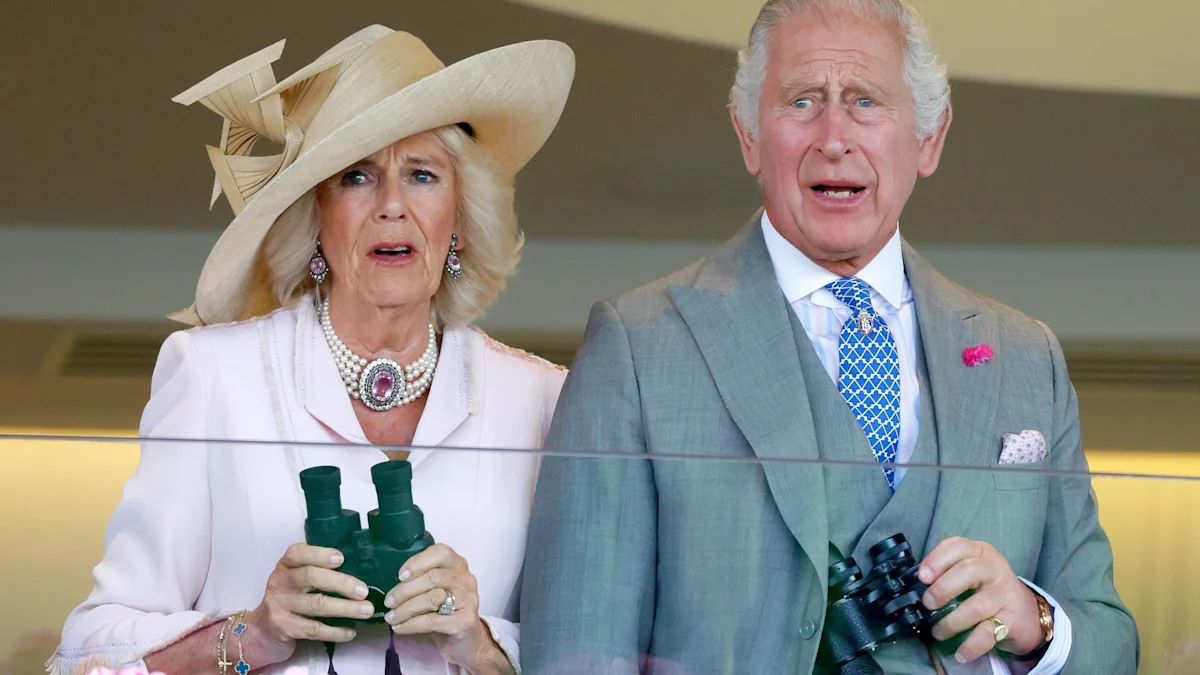
The King hosted all five days of Royal Ascot in June and even celebrated a winner, while the Queen regularly attended races—even at smaller venues—demonstrating a genuine enthusiasm for the sport. Attending significant events like the Derby, as Elizabeth II did annually, exemplifies true commitment to horse racing.
The royal family has a long-standing legacy with racing: Charles II essentially founded Newmarket as a racing hub and built a palace there; Queen Anne’s 18th-century hunting trip in Windsor Forest inspired the creation of Ascot Racecourse. George IV enhanced Royal Ascot’s prestige by adding the Royal Enclosure and starting the Royal Procession. Though Queen Victoria frequently attended Ascot early in her reign, she ceased visiting after Prince Albert’s death. Her son, Edward VII, was an ardent racing fan, winning the Derby in 1909.
The late Queen Elizabeth the Queen Mother also deeply loved jump racing and owned many winners, most famously losing the 1956 Grand National in a heartbreaking fashion when her horse Devon Loch collapsed near the finish line with victory almost guaranteed.
However, after the current King, royal interest in racing seems to wane; the Prince of Wales, despite being a skilled horseman and former top polo player, favors other interests like supporting Aston Villa over attending races. It would be wise for him to continue upholding traditions like hosting Royal Ascot.
While racing doesn’t depend solely on royal endorsement, having the monarchy involved helps distinguish British racing from countries like France, the U.S., and Australia, enhancing Royal Ascot’s global appeal. Without royal participation, the sport could face compounded financial challenges and shrinking support.
Nonetheless, there’s potential hope that Prince George might inherit the family’s racing passion—especially if he connects with racing circles during his education at Eton. Though breeding thoroughbreds at royal studs like Sandringham faces climatic obstacles, should he develop an interest, it could rejuvenate royal support for the sport in years to come.
Perhaps the King felt a twinge of pride, or even slight regret, upon hearing about Point Of Law’s Melbourne Cup victory—showing that he genuinely cares. If that added a few hundred thousand pounds to the sale price, it’s fair to ask if the King really needs the money.
Ultimately, Point Of Law’s success is a mutually beneficial outcome, and if he had raced under royal colors, it would have been an extraordinary highlight. It’s worth noting the King also recently celebrated winning a maiden hurdle at Plumpton with Bold Step, a modest but sweet victory in his racing life.
Fan Take: For horse racing enthusiasts, this story highlights the enduring influence and passion of the British monarchy in the sport, which helps sustain its unique heritage and global prestige. The King’s active involvement, coupled with successful horses like Point Of Law, sends a positive signal about the future of royal patronage, vital for maintaining racing’s cultural and financial vitality.
Source: sports.yahoo.com
