
Tuesday’s landmark election shifted control of both the U.S. Senate and House to the Democrats, as well as numerous state legislatures, potentially impacting the horse industry on a national and state level. Industry experts I’ve spoken with are cautiously optimistic that these political changes could lead to positive outcomes.
Starting with Congress, Democrats’ new majority improves the prospects for two key bills: the Save Forgotten Equines (SAFE) Act and the Fair Bet Act. Both may be passed during the upcoming lame-duck session beginning November 9, possibly included in the 2026 Farm, Food, and National Security Act or an omnibus funding bill. The SAFE Act aims to ban horse slaughter and transportation for slaughter in the U.S., while the Fair Bet Act would reinstate a full 100% gambling loss deduction, which had been cut to 90% under the 2025 Republican-backed One Big Beautiful Bill Act. These laws enjoy bipartisan backing and support from groups like the National Thoroughbred Racing Association (NTRA).
NTRA CEO Tom Rooney emphasized the urgent need to restore full wagering loss deductions during this lame-duck session, calling it the Republicans’ final chance for presidential approval. Rooney also noted that with Democrats in control, the SAFE Act’s chances have improved, as it previously made significant progress when included in this year’s transportation bill — despite that legislation failing in the House.
Congressional experts do not expect Democrats to reverse the permanent 100% bonus depreciation provision for horse businesses, which was solidified in 2025. This allowance, originally introduced in 2002 stimulus legislation but variable until recently, enables business owners to fully expense horses and equipment purchased, fostering stability. It is credited with bolstering the U.S. bloodstock market’s current strength.
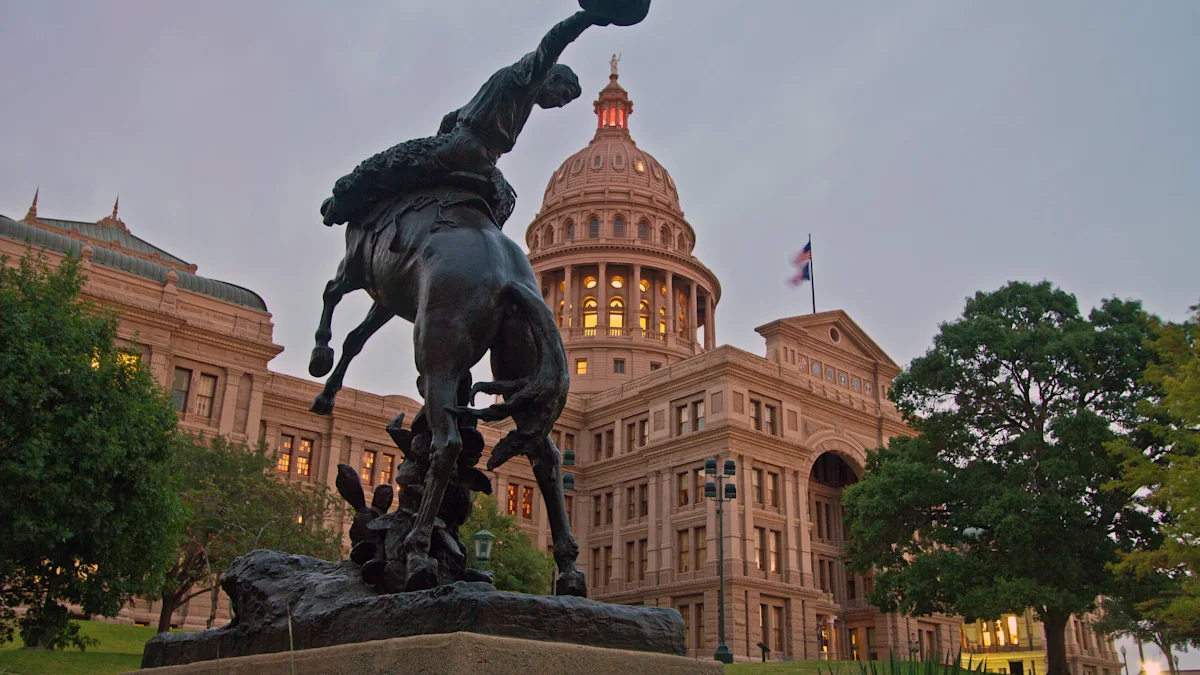
Texas experienced the most upheaval from the election, with Democrats taking nearly every major state office—governor, lieutenant governor, attorney general, controller, and agriculture commissioner. This clean sweep surprised many in the horse industry, as Democrats have long been a minority in the state. Some local racing officials admitted uncertainty about the new leadership’s approach to the horse industry, including unknown figures like incoming Lieutenant Governor Vicki Goodwin, who in Texas wields significant legislative power.
Incumbents Governor Greg Abbott and Lt. Governor Dan Patrick, expected to secure fourth terms, were both ousted amid the Democratic wave. Additionally, Attorney General Ken Paxton, who faced impeachment proceedings and opted to run for U.S. Senate, lost to challenger James Talarico. Democrat Nathan Johnson won the AG seat against Republican Mayes Middleton, marking a major political shift that the Texas horse industry will now have to navigate.
Texas racing has struggled under Abbott and Patrick. When the Texas Racing Commission approved historical horse racing (HHR) machines in 2014, state officials threatened to withdraw funding, effectively stalling expansion of this vital revenue source that has aided tracks in states like Arkansas and Kentucky. Abbott had appointed Robert C. Pate as Commission chairman, with Amy Cook serving as executive director during turbulent times that included the refusal to recognize the Horseracing Integrity and Safety Authority. This stance cut off outgoing simulcast signals from Texas Thoroughbred tracks, severely harming the industry, though the Horse Industry Escrow Account has helped maintain purse levels without benefiting racetracks directly.
Attorney General Paxton sued Churchill Downs Inc. earlier this year to block advance-deposit wagering (ADW) from Texas residents, despite an appeals court ruling suggesting such wagering could be legal absent explicit prohibitions. Key priorities for Texas racing now include restoring interstate simulcasting, revisiting HHR approval, and removing barriers to ADW. Given the unfamiliarity with the new officials, the industry remains uncertain about future support but hopes for improvement given past challenges.
Meanwhile, Minnesota’s newly elected governor, former Senator Amy Klobuchar, replaces Tim Walz, who, despite sharing her Democratic affiliation, was not supportive of racing initiatives during his tenure. Walz opposed HHR betting, which the Minnesota Racing Commission approved in 2024 before the legislature outlawed it, and subsequently appointed two Native American tribal leaders to the commission, a move seen as antagonistic by the racing community. Native American tribes hold significant political influence in Minnesota, especially within the Democratic-Farm-Labor Party controlling state government.
Minnesota’s racing leaders have engaged with Klobuchar and remain hopeful she seeks solutions beneficial to the industry without damaging relationships with tribal groups. While it is uncertain how the changes in Congress and in states like Texas and Minnesota will influence horse racing, the general consensus is that the new leadership is unlikely to cause further harm.
That’s my insight from the eighth pole.
This article originally appeared in the Paulick Report’s News section on November 5, 2026. Add Paulick Report as a preferred source by clicking here.
Fan Take: This election marks a pivotal moment for horse racing fans, as shifting political winds offer fresh hope for legislation protecting horses and improving wagering regulations. Success in advancing the SAFE and Fair Bet Acts could strengthen the sport’s sustainability and integrity, ensuring a healthier future for racing at both national and state levels.
Source: sports.yahoo.com
