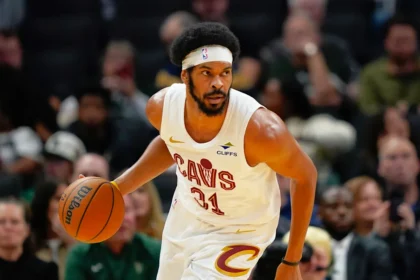

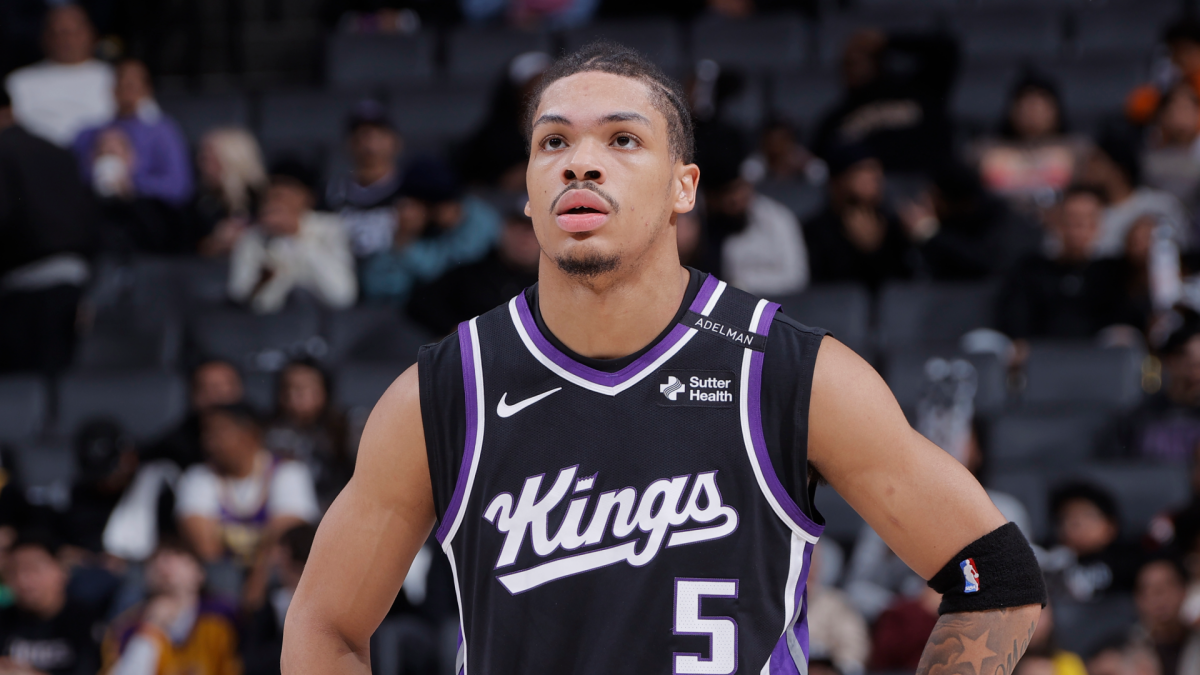
Through the first two and a half weeks of the NBA season, the players with the highest usage rates include well-known stars such as Luka Dončić, Anthony Edwards (in four games), Victor Wembanyama, Shai Gilgeous-Alexander, and Stephen Curry, with Brandon Miller and Jayson Tatum close behind. Surprisingly, Kings rookie guard Darius Acuff Jr. ranks eighth with a 31.6% usage rate over eight games, making him the highest-usage rookie, while Bulls forward Caleb Wilson is the only other rookie in the top 40 at No. 38.
Despite only playing a small portion of the season, Acuff’s offensive responsibilities are unprecedented among rookies in his class, drawing a wide range of opinions about his performance. Though not flawless at just 19 years old, Acuff is already producing numbers that put him in elite company with legends like Dončić, LeBron James, and Oscar Robertson. After dumping 22 points and 12 assists in a recent game against the Lakers, he set the record as the fastest NBA player to reach 200 points and 50 assists—a clear sign his rookie year will be historically significant.
Those who followed Acuff’s time at Arkansas won’t be shocked by his NBA impact. He was one of only two players in SEC history to average at least 22 points and six assists per game in a season, the first since Pete Maravich. Coached by John Calipari—who has developed numerous elite one-and-done guards such as Gilgeous-Alexander, Devin Booker, and Derrick Rose—Acuff was already in the conversation as the best freshman guard Calipari has coached. While it’s too early to know if he will reach the heights of a multiple-time MVP or All-Star, his college production closely reflects his current NBA performance.
At Arkansas, Acuff averaged just over 35 minutes per game due to a thin roster, a situation mirrored by his current team. The Kings lack a true backup point guard, so Acuff consistently plays the most minutes on the team, often handling the offense throughout the fourth quarter. When he rests, Malik Monk assumes primary ball-handling duties in brief spurts. The Kings had hoped Ben Simmons would share these responsibilities this year, but his Achilles injury has left Acuff as the lone primary playmaker among a roster without many creators.
Defense remains a weak spot for Acuff, evident during both his collegiate and NBA careers, as he shoulders a heavy offensive load. Though not strong defensively, if he can maintain a neutral impact on that end, it will be a significant achievement. His offensive skills, especially his basketball IQ and playmaking ability, are exceptional for his age and are expected to improve.
Acuff’s immediate role as Sacramento’s main offensive option is partly due to front-office connections: Kings GM Scott Perry coached Acuff’s father in college, and there was little doubt Acuff would be selected by the Kings after they picked seventh in the draft lottery. Despite having veterans like Zach LaVine and Domantas Sabonis on the roster, Acuff leads the team in usage rate at 31.6%, far ahead of LaVine’s 25.6% and Sabonis’s 15.7%. With limited offensive support outside of Acuff and LaVine, Acuff is required to create nearly all his shot attempts, with just a small fraction being catch-and-shoot opportunities compared to his time at Arkansas.
Acuff is taking 23.6 shots per game, second only to Gilgeous-Alexander, showing remarkable improvement after a rough NBA debut shooting 5 of 24. Despite being smaller in stature, he excels at driving to the rim with a 48.1% shooting rate at the basket and attempts a decent amount of three-pointers, although his current NBA 3-point percentage (30.8%) dips below his collegiate mark of 44%, a common rookie challenge. The Kings appear to be postponing a full rebuild until after 2027, as the front office works to move high-salary veterans and free up cap space to build around Acuff.
The strategy for nurturing Acuff resembles the Knicks’ approach with Jalen Brunson: surround a primary offensive initiator with solid “3-and-D” wing players to relieve defensive pressure. Currently, Sacramento has only one true 3-and-D wing, Keegan Murray, who is sidelined due to injury. For now, the Kings plan to focus on Acuff’s development and fully commit to building the team around his abilities once the veteran contracts expire.
While Acuff isn’t a flawless rookie, he stands apart from comparisons like Cam Thomas by being a far more advanced passer and facilitator at such an early stage. Ranking 12th in the league with seven assists per game and 11th in potential assists, Acuff’s playmaking is often undervalued. He routinely makes difficult passes that don’t always show up in box scores, demonstrating vision beyond his years.
Given Sacramento’s current standing and roster makeup, the Kings are willing to endure growing pains if Acuff continues developing at this pace. His youth, offensive talent, and the franchise’s commitment are reasons for optimism as he carves out his place in the league.
Fan Take: This emerging dominance by Darius Acuff Jr. is a thrilling storyline for basketball fans, signaling the arrival of a fresh, highly skilled offensive force in the NBA. Watching a rookie take on such a significant role so early could reshape expectations for future star development and influence how teams build around young talent for years to come.
Source: www.cbssports.com