

Angel McCoughtry is urging the WNBA to extend its support beyond current players to also include those who have retired. The former Atlanta Dream star made her appeal during a Thursday appearance on the “Get TO the Point” podcast, highlighting the threats she’s faced covering the league from an outsider’s perspective.
Her remarks follow a July report that detailed a rise in online threats targeting WNBA players as the league’s popularity grows.
Addressing player safety, McCoughtry noted the league’s evolving fan base and said, “One thing that we can do better is protect the women … we have this new fan base where it’s like the girls are getting attacked.” As a five-time All-Star now reporting on the game, she openly shared the challenges she’s endured. “I’ve received death threats for covering Caitlin Clark… but I’m not in the league anymore, so who’s protecting me?” she asked.
McCoughtry likened the difference in support for active versus retired players to life inside and outside of royalty. “I think the league can protect players who aren’t currently in … I don’t want to feel like Princess Diana—everything is fine while in the royal family, but once you’re out, you have to fend for yourself.”
She acknowledged the league’s progress on certain fronts, such as pregnancy protections in the collective bargaining agreement, saying, “Obviously, they did a great job with the rights for women who are pregnant, because before, players who got pregnant received nothing.”
Insurance remains a concern, with McCoughtry citing her own experience: “I played over 12 years, suffered injuries, busted my [expletive], and I don’t have insurance to cover myself.”
While the WNBA’s 2026 collective bargaining agreement will provide a limited healthcare reimbursement program starting in 2027 for eligible retired players, covering up to $1,250 annually for certain preventive care, it does not offer full health insurance.
In recent years, the league has prioritized security by adding extra protections during travel, using charter flights, enforcing tighter protocols in arenas and hotels, and deploying AI technology to detect threats and harassment quickly. Players also have better access to confidential mental health resources, though concerns about online safety persist.
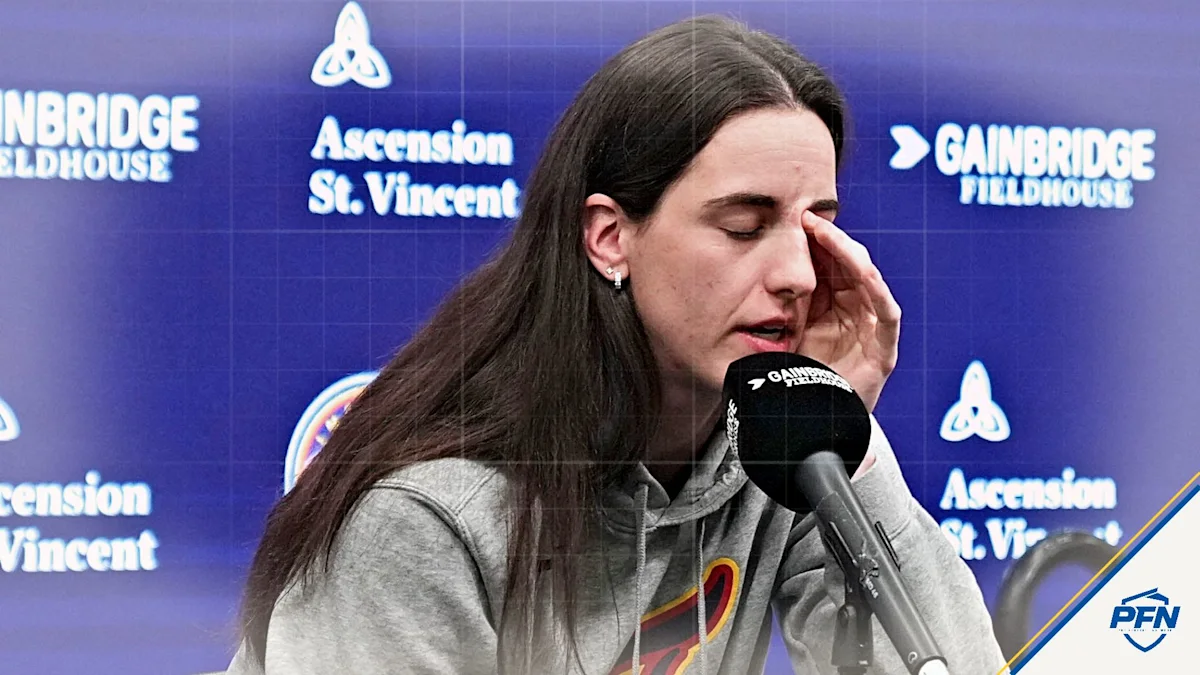
Incidents such as the backlash Phoenix Mercury’s Alyssa Thomas received after a suspension, and Indiana Fever’s Caitlin Clark speaking out against harassment, highlight the ongoing struggles. The players union reaffirmed its stance in a letter, emphasizing that while passionate fandom is natural in sports, harassment and death threats are intolerable and support is available.
Fan Take: This conversation is crucial for WNBA supporters because it shines a light on the ongoing threats players face—even after retirement—and stresses the need for comprehensive protections. Strengthening these safeguards not only ensures player well-being but also helps grow the sport by fostering a safer, more inclusive environment for all involved.
Source: sports.yahoo.com
