Dan Muse, the newly appointed head coach of the Pittsburgh Penguins, faces a significant challenge ahead. Previously an assistant coach for the New York Rangers, Muse must balance the team’s immediate needs with their long-term vision. While some experienced coaches might hesitate, Muse brings a fresh perspective to the role.
Penguins GM Kyle Dubas praised Muse’s ability to develop players at every stage of their careers, from college and juniors to experienced NHL players. Muse’s background is well-rounded; at 42, he has coached NCAA champions Yale Bulldogs, led the USHL’s Chicago team to a Clark Cup victory, and served as an NHL assistant with the Nashville Predators and the Rangers. This experience gives him insight into both nurturing young talent and managing veteran players.
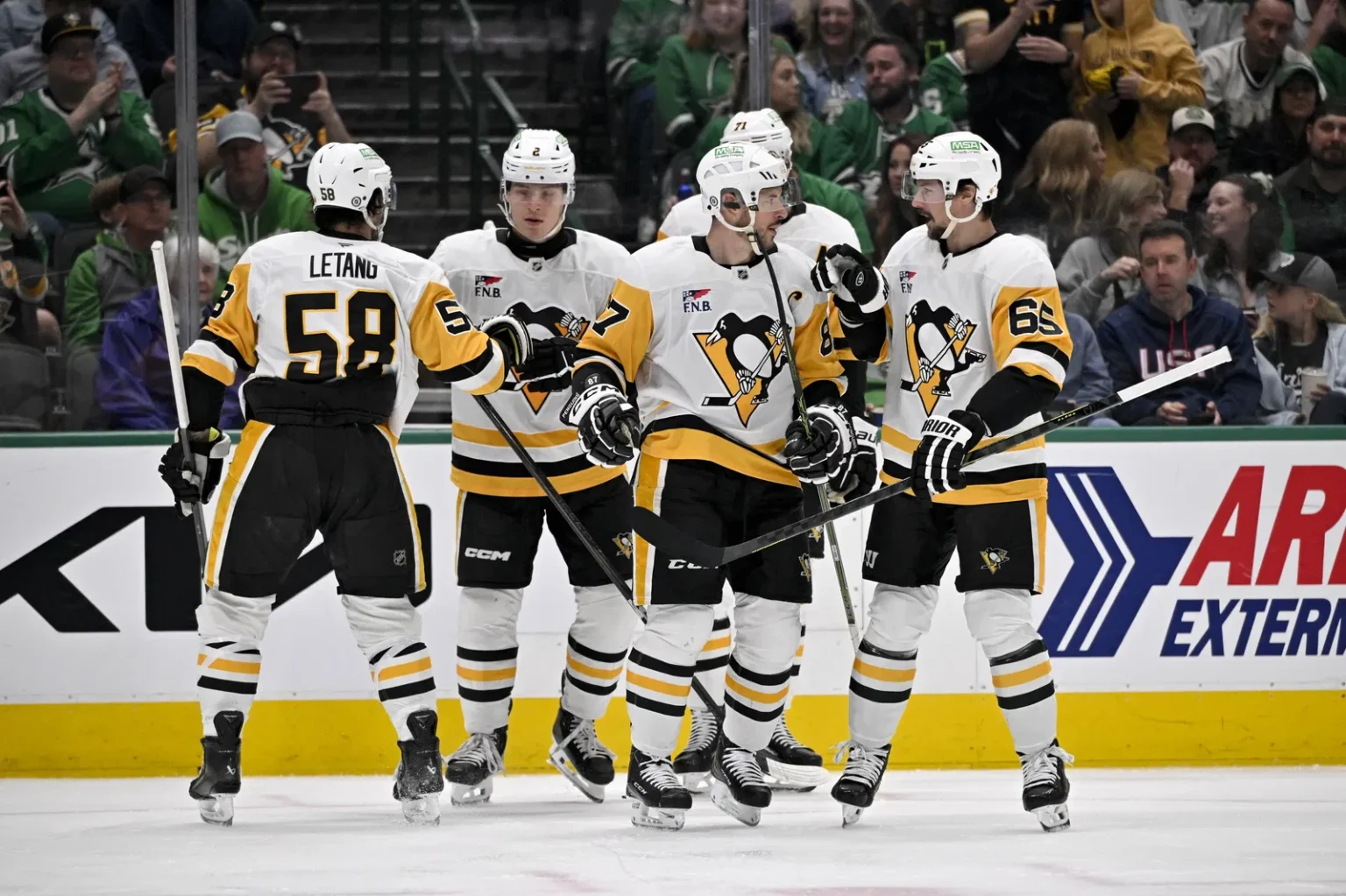
The Penguins currently find themselves stuck in a difficult middle ground—neither strong enough to make the playoffs nor positioned to secure top draft picks. Their core includes aging stars like Sidney Crosby, Chris Letang, Evgeni Malkin, and Eric Carlson, alongside young players like Rutger McGroarty striving to break into the NHL lineup next season. This creates a confusing message for fans about the team’s direction.
Significant changes are needed this offseason, especially in goaltending. Carlson’s future with the team remains uncertain, as his performance since joining in 2023 has been underwhelming. With two years left on his expensive contract and a full no-movement clause, his desire to compete for the Stanley Cup is clear, but unless a trade opportunity arises, the Penguins might be stuck with him.
Looking ahead to the 2025-26 season, the team’s roster could look very different. However, Crosby, Malkin, and Letang—all with no-trade clauses—are likely to remain. Muse faces a critical decision: focus on winning now with aging stars or rebuild for sustained success with a new generation of players. The lack of a unified team philosophy could present challenges, regardless of who is coaching.
The Penguins are caught between two competing priorities, and Muse must find a way to balance short-term competitiveness with building a lasting winning culture. His leadership could either guide the team into a new golden era or result in familiar frustrations.
Fan Take: This coaching change is pivotal for Penguins fans and hockey followers alike, as it highlights the tough balancing act between experience and youth in the NHL. Muse’s success or failure will not only shape the future of one of hockey’s most storied franchises but also influence the broader conversation about rebuilding versus immediate contention in the sport.