The injury to Caitlin Clark marked a pivotal moment for the Indiana Fever during this era. While that might be overstated, it’s worth reflecting on their journey.
The 2025 season began with high hopes and excitement around the Fever. Following a transformative offseason that brought veterans like DeWanna Bonner, Sophie Cunningham, Brianna Turner, and Natasha Howard, the team was positioning itself around stars Caitlin Clark and Aliyah Boston.
The start of May was tough as the team faced initial chemistry and injury challenges, finishing 2-4. Clark’s quadriceps injury sidelined her for two weeks, and the team struggled with turnovers and erratic shooting. However, promising signs emerged, especially from Kelsey Mitchell who took on more scoring responsibility.
June saw improvements with the Fever finishing 6-4, establishing a strong defensive identity and deepening their rotation by signing Aari McDonald. Boston was a steady presence in the paint, and Clark began hitting her stride again, nearing triple-double performances. The team adopted a faster-paced offense fitting their youth, but Clark suffered another strain, this time in her left groin.
July was the team’s peak, with an 8-4 record and exceptional chemistry. Clark played the best basketball of the season until a right groin injury before the All-Star break. Despite Indiana maintaining a winning record and Boston earning All-Star recognition, Clark didn’t return for the rest of the season.
August and September were tougher, as the Fever went 4-6 amid fatigue, minor injuries, and a challenging schedule. Still, they clinched a playoff spot with an overall 24-20 record, which was respectable given the absence of their top player and key shooter Sophie Cunningham.
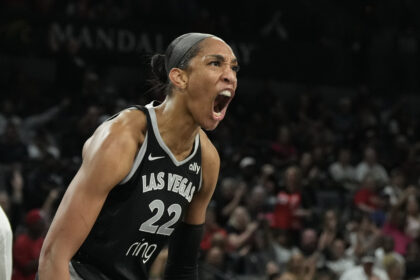
Few expected much in the first-round playoff series against the Dream, but the Fever prevailed in a hard-fought battle, winning the last two games including a crucial road victory. The semifinals against the Las Vegas Aces saw the Fever as underdogs missing crucial pieces. They pushed the series to five games before falling, demonstrating toughness despite the odds.
Why is Clark’s absence so impactful? Even if Clark had played, the team’s success was not guaranteed. The Fever’s system was heavily reliant on Clark, often placing an unrealistic burden on her to do everything. This star-centric approach limited teammates’ development and rhythm, causing disorganization when Clark struggled. This was not sustainable as a championship formula.
Clark’s time off forced the team to adapt and improve collectively. Boston, Howard, and Mitchell stepped up as the organization demanded more from them. Guard Lexi Hull emerged as a reliable two-way player, shifting the team to a balanced, dynamic style under coach Stephanie White. The Fever’s playoffs success and near-upset of the champions showed this team’s true potential, not just as “Caitlin Clark and Friends,” but as a cohesive unit.
With an uncertain CBA future and salary cap flexibility, Indiana now has a rare chance to build on this structure. The players glimpsed what is possible without relying solely on Clark. For the first time in over a decade, the Fever are not merely chasing relevance—they are constructing a lasting, authentic team poised for long-term success beyond any single player, even one as talented as Caitlin Clark.
—
Fan Take: This story is crucial for WNBA fans because it highlights the evolution from a single-star dependent team to a well-rounded contender, which could inspire other teams to embrace balanced, team-first basketball. Indiana’s rise signals a maturing league where depth and strategy rival star power, promising a more competitive and exciting future for the sport.