
There’s a significant difference between how people view “clutch” basketball and the actual reality. Many assume clutch ability is largely innate—some players and teams naturally excel under pressure, while others do not. However, the truth is more complex. Clutch performance is based on such a small sample size that it often seems almost random. For example, the Bulls outperformed the Celtics in clutch net rating last year, despite overall team results. The Mavericks missed the playoffs in 2022-23 with a 26-29 record, yet a similar roster got the Mavericks to the NBA Finals in 2023-24 with a 23-9 record. While clutch performance isn’t entirely luck, it’s seldom consistent.
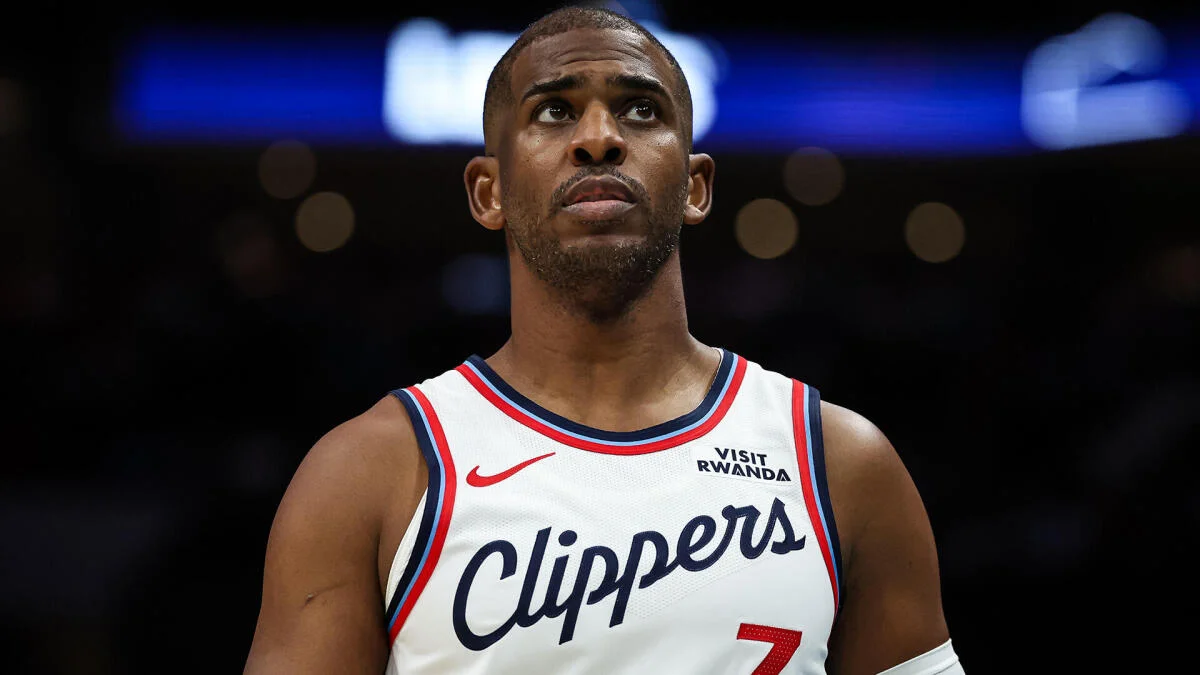
Chris Paul’s impact reveals a different dimension. The 2016-17 Rockets ranked 18th in clutch net rating but jumped to 1st the following season after acquiring Paul, outscoring opponents by 27.1 points per 100 possessions. Similarly, the Thunder improved from 11th to 1st after Paul joined them. The Suns went from 21st to the NBA’s best clutch net rating two years after Paul arrived, peaking at +33.4 in 2021-22. Despite this, Paul’s first season with Phoenix only ended with a brief Finals appearance.
Between his first All-Star season in 2008 and last in 2022, Paul won 65% of NBA clutch games in regulation, edging out contemporaries like LeBron James (64.2%), Kevin Durant (59.6%), and Stephen Curry (60.5%). In modern NBA, having Paul on a team significantly boosts chances in close regular-season games.
Paul is set to retire after the 2025-26 season. The unavoidable qualifier of his legacy is his lack of an NBA championship. Without a ring, his regular-season clutch success won’t earn full recognition. Whether through trades or team struggles, Paul’s career has been marked by near-misses and unfortunate breaks. Even with great talent and effort, he’s destined to join the list of elite players without titles.
Unlike some teammates who faded in key moments, Paul’s commitment, conditioning, and all-around excellence were never in question. He earned seven All-Defensive team selections, shot a 50-40-90 season, led the league in assists five times, rarely turned over the ball, and contributed well in rebounds for a guard. Paul was a basketball mastermind, a consummate competitor—always looking for an edge. Yet, despite all this, he never clinched the ultimate prize.
He shares some responsibility for playoff failures, such as the 2014 collapse in Oklahoma City. Still, every basketball legend has some blemishes. They’re often erased by winning championships, something Paul never achieved. Some setbacks were beyond his control—league voiding his trade to the Lakers, injuries, and bad luck. His stint with the Clippers involved immense hurdles, and his peak chances—like the 2015 Rockets or 2018 Western Conference Finals with Harden—fell short due to injuries and poor shooting luck.
After moving to Phoenix, Paul nearly reached a championship again but faced interruptions like COVID-19 and tough competition. Choosing playing opportunities over a minor role elsewhere, he stayed true to his passion. Despite the randomness in clutch moments and team dynamics, Paul gave everything to win—even if luck wasn’t on his side.
In an alternate reality, adjusting just one factor—injury avoidance, consistent shooting, or team formation—might have yielded championships. Instead, Paul will be remembered as an all-time great without a ring.
Fan Take: Chris Paul’s career highlights how even the most skilled and determined players can be foiled by circumstances beyond their control. For basketball fans, his story is a poignant reminder that greatness isn’t always measured solely by championships but also by consistency, leadership, and relentless commitment to the game.