Arsenal’s Strategic Adaptation
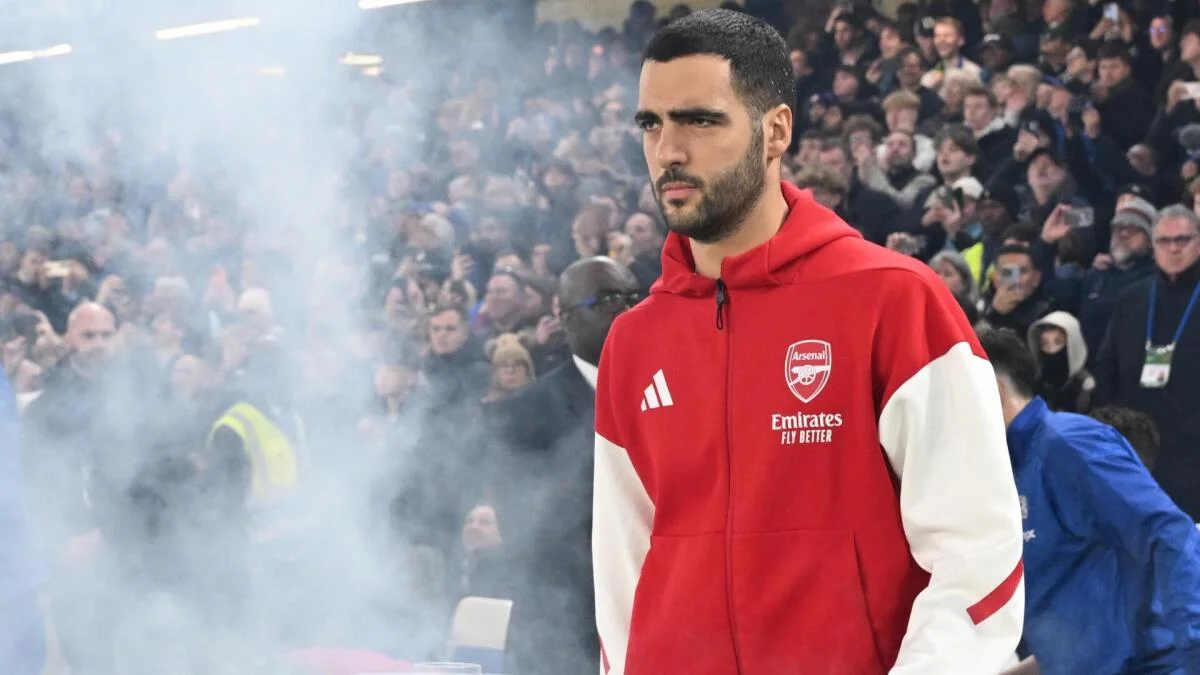
London – During the pivotal 2024-25 season, Arsenal found themselves in urgent need of a center-forward who could contribute goals and provide a solution for an injury-stricken squad. With Kai Havertz and Gabriel Jesus sidelined, Mikel Merino stepped in effectively, scoring in key matches and showcasing his versatility despite not being contracted as a forward.
As the 2025-26 season approached, Arsenal faced similar challenges. Mikel Arteta had to deal with the recurring injuries of key players while managing a front line that included Victor Gokeres, Havertz, and Jesus. Although it’s December and the team is still awaiting full recovery from these injuries, Merino has consistently proven adaptable in the center-forward role he has gradually made his own.
Gone are the days when Arsenal utilized box-to-box midfielders masquerading as strikers; they now play with a low-touch midfield anchored by Merino, who combines traditional target man qualities with modern playmaker capabilities. His evolution into the position has been notable, enhancing Arsenal’s attacking strategies even as conventional forwards return to fitness.
Merino’s substantial involvement has led to a dramatic increase in his contribution to the team. Last season, his average touches and pass attempts per match were significantly lower compared to this season, revealing his growing importance in Arsenal’s midfield strategy. His ability to drop deep, create space, and assist teammates has been pivotal, not only in terms of statistics—like his average of 45.3 touches and 29 pass attempts per game—but also in terms of tactical flexibility.
In the recent match against Tottenham, Merino’s assist for Leandro Trossard highlighted his capacity to pull defenders and open up space for others, making it clear that his movements disrupt opposition defenses effectively. This has allowed Arsenal to gain control and maintain unpredictability, crucial for their performance.
Despite a decrease in his shot attempts this season, Merino has retained a high quality in goal-scoring chances, demonstrating an innate ability to position himself in prime goal-scoring areas. His contributions have not gone unnoticed; Arteta appreciates Merino’s relentless work ethic, which not only benefits his own play but also elevates the team as a whole.
As Arsenal prepares for another challenging fixture, the question remains: will Merino maintain his starting position over Gokeres? Gokeres possesses the physicality to challenge defenders, which may suit Arsenal’s tactical needs against certain opponents. However, Merino’s current form and adaptability make him an asset that could lead the line even as the team hopes for greater attacking capacity.
Fan Take: Arsenal’s ability to adapt to injuries and find success with versatile players like Merino may redefine their attacking style, reflecting a shift toward a more dynamic and unpredictable play. This evolution not only matters for the club’s ambitions but also influences how teams approach tactical flexibility in modern soccer.