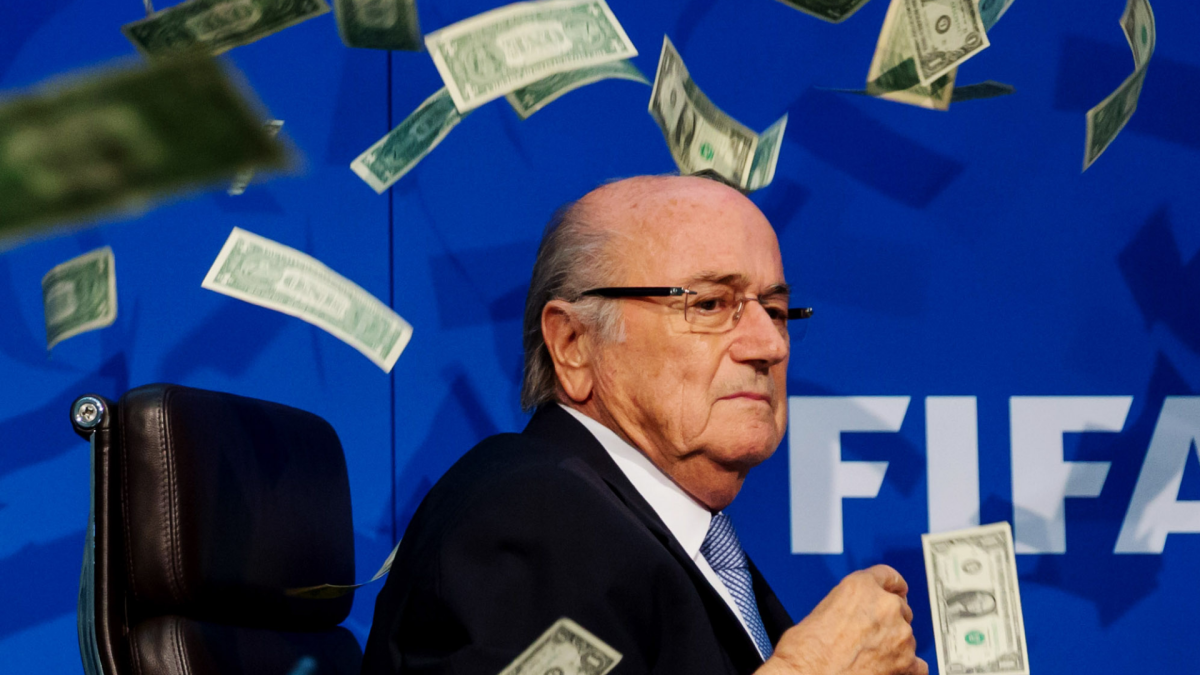
Former FIFA president Sepp Blatter has voiced his disapproval of the World Cup’s expansion to 48 teams, calling it a “monster” that has been unleashed prior to the tournament next summer in the United States, Canada, and Mexico. Reflecting on the evolution of soccer since his resignation in 2015, Blatter noted that while the sport has become faster, more intense, and lucrative, it has also generated significant controversy. He recalled a warning from former FIFA President Joao Havelanger about the growth of this “monster.”
Blatter pointed out the overcrowding at match venues, highlighting concerns for player welfare without referencing specific events. The two major projects—expanding the World Cup and the FIFA Club World Cup—were initiated by his successor, Gianni Infantino, who has faced a mix of praise and criticism for his decisions.
When asked about FIFA’s current direction under Infantino, Blatter refused to judge but expressed concern over the proliferation of competitions, suggesting that there is an overload of football nowadays and an increase in political influences in the sport. Infantino, who took office in February 2016, has been seen in high-profile engagements with world leaders and has a personal connection to Qatar, which controversially secured the 2034 World Cup hosting rights.
Blatter’s tenure as FIFA president was marred by scandals, including allegations of bribery tied to the 2022 World Cup in Qatar, which also raised human rights issues as reports noted the deaths of thousands of migrant workers during the tournament’s infrastructure development. Following investigations by the U.S. and Swiss authorities, he was banned from football activities for eight years and faced charges for mismanagement. Recently, both Blatter and Michel Platini, once seen as his potential successor at UEFA, were acquitted of corruption charges in Switzerland.
Fan Take: The expansion of the World Cup is a double-edged sword; while it promises to bring more nations into the fold, it raises questions about the integrity and quality of the tournament. Fans should brace for an era where commercial interests increasingly overshadow the sport’s essence, potentially diluting the very competition they cherish.