
Mauricio Pochettino’s Emotional Journey with the U.S. Team
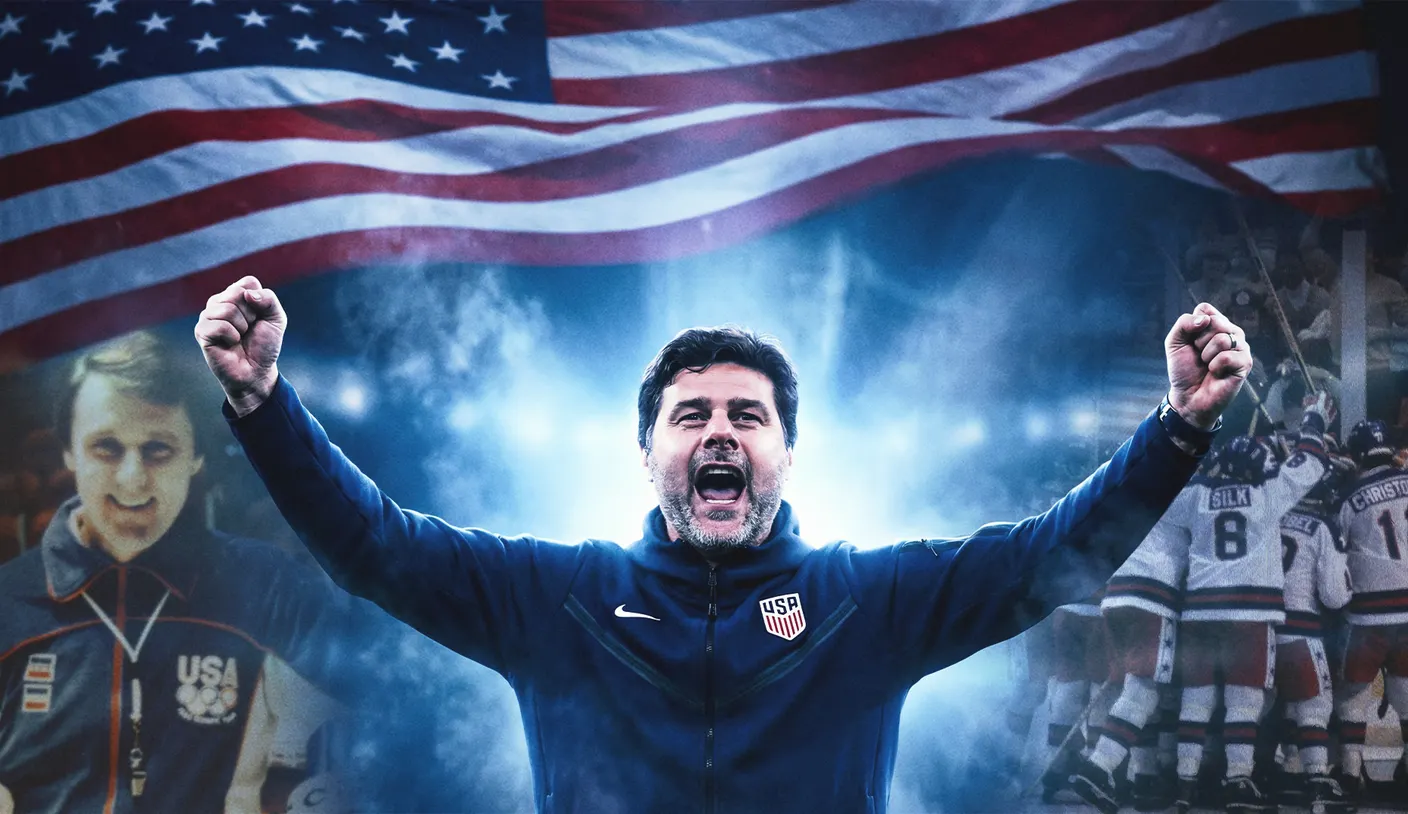
Mauricio Pochettino, at 53, frequently finds himself in tears, showcasing his emotional nature. U.S. men’s national team supporters experienced this firsthand when he was visibly moved after a tough defeat to Mexico in the Gold Cup final last July. Recently, during a press conference in Tampa, he had a heated exchange about the concept of “regular” players following a significant 5-1 victory over Uruguay. During this time, Scott Goodwin, a key benefactor helping fund Pochettino’s substantial salary, approached him, drawing a parallel to a legendary moment in American sports history.
This moment evoked memories of the 2004 film “Miracle,” which chronicles the remarkable victory of the 1980 U.S. men’s hockey team over the Soviet Union. Led by Herb Brooks, this team of amateur college players defied the odds and captured the gold medal, making their achievement remain one of history’s greatest upsets. Brooks, portrayed by Kurt Russell in the film, was known for his demanding coaching style that insisted on total commitment and effort from his players, creating an atmosphere of uncertainty regarding roster selections until the very last moment.
Despite Pochettino’s charm in public settings, he matches Brooks’s relentless dedication and drive during practices. Following the Uruguay match, he expressed frustration about questions regarding player quality, emphasizing, “These are the players we have today. It’s not about A players or B players,” suggesting a crucial lesson he wanted his team to grasp. Goodwin encouraged Pochettino to watch “Miracle” on their return flight, and Pochettino quickly internalized the message that it’s about finding the right players over just the best.
Since stepping in for Gregg Berhalter, Pochettino has focused on reshaping the U.S. squad. Following a disappointing Copa America in 2024, where they became the first host to not progress, there was a clear need for a coach to revitalize the team’s spirit ahead of the important 2026 FIFA World Cup. Pochettino, who has handled high-profile talents like Lionel Messi and Neymar, prioritizes team commitment and has integrated driven newcomers into the squad.
After a rough start, the U.S. ended the year with a five-game unbeaten run against World Cup-bound teams, showcasing Pochettino’s influence. He reiterated his ambition to win the upcoming World Cup during the recent draw in Washington, D.C., setting a high bar—something previous coaches like Jurgen Klinsmann had avoided. While hosting the World Cup brings its own pressures, the odds favoring the U.S. at about 80-1—the same as Leicester City’s stunning title win—show that anything is possible.
Pochettino uses examples from past teams to inspire the current squad. The victorious underdogs of the 1950 World Cup who beat England mirror the same fighting spirit he aims to instill. To achieve what some deem impossible, Pochettino emphasizes the importance of unity among players, noting that winning a tournament requires synergy rather than merely individual talent.
At US Soccer’s Beyond the 90 Summit, Pochettino expressed his love for the story told in “Miracle,” stating it resonated deeply with him. The themes of shared belief and determination struck a chord, reflecting his vision for the U.S. team. Goodwin believes this connection helps Pochettino understand the significance of grit in American sports culture.
As Pochettino embraces this role, attending Rangers games and absorbing American pop culture has only fueled his desire to leave a legacy and build a historic team. He recognizes the potential inherent in the U.S. and challenges skeptics by asking, “Why can’t we do that?” His vision and passion could unite fans and players alike, making for an exhilarating path ahead.
Editorial Opinion:
This news matters to soccer fans because it highlights the potential transformative impact a passionate coach can have on a national team with high aspirations. As the 2026 FIFA World Cup approaches, Pochettino’s leadership may spark a new era for U.S. soccer, igniting hopes for a deeper competitive presence on the world stage.