

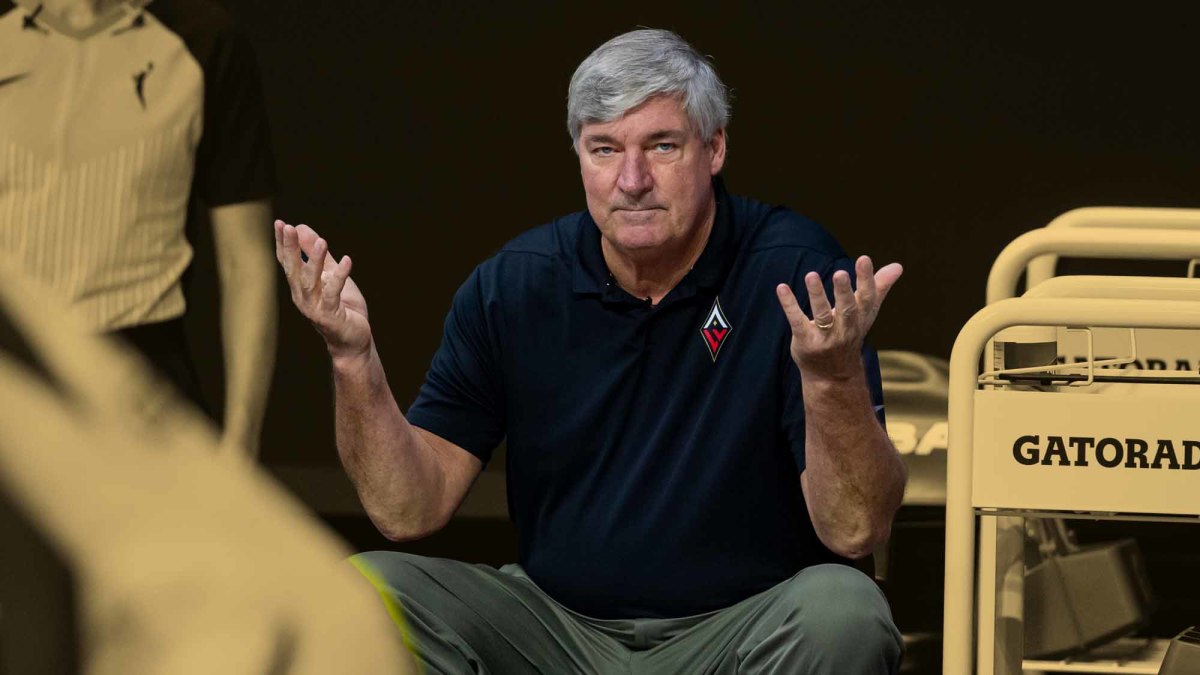
Bill Laimbeer, a symbol of the gritty and tough 1980s Detroit Pistons, famously known as the “Bad Boys,” found that his playing style didn’t directly carry over into his coaching career. Taking charge of the Detroit Shock during a tough 0-10 start, it was expected that Laimbeer would bring his aggressive approach to the sidelines to motivate his struggling team. However, despite his reputation as a fierce competitor, Laimbeer’s high basketball IQ became apparent as he recognized that coaching required a different style. He shared, “Being away from basketball has helped me become more patient and understand that not everyone thinks the same way. I’m still making demands, but I get my point across through playing time, not by yelling at players. I didn’t want to be a screaming coach.”
Making the leap from player to coach is always challenging, especially after being part of a dominant basketball dynasty focused on winning titles. But Laimbeer, embodying the hardworking spirit of Detroit, committed fully to his new role. By the end of his first season, the Shock improved to 9 wins and 23 losses. In 2003, Laimbeer coached Detroit to a WNBA Championship, the first for a team outside Los Angeles or Houston. His calm and strategic leadership earned him Coach of the Year after the team finished with a winning record. He added two more titles in 2006 and 2008, ultimately achieving greater championship success as a coach than he had as a player.
At 68, Laimbeer is the third most successful coach in WNBA history, sharing three titles with Becky Hammon, behind Van Chancellor and Sheryl Reeve. Despite many believing Laimbeer would eventually coach in the NBA, that opportunity never came. Former teammate Isaiah Thomas explained that Laimbeer never distanced himself from the team ethos that defined Detroit and never tried to stand out individually—a factor that might have limited his NBA coaching chances. Thomas said, “If he had been a little more selfish, people in the NBA would have looked at him differently. But you can’t name a player of his stature who has had the success he has.”
Though Laimbeer’s NBA coaching aspirations didn’t materialize, he served as an assistant coach with the Minnesota Timberwolves from 2009 to 2011 and then returned to the WNBA to coach the New York Liberty Aces and Los Angeles Aces until his retirement in 2021. He remains celebrated as one of the greatest contributors to the WNBA’s history.
Fan Take: Laimbeer’s story is a powerful reminder of the patience and adaptation required to succeed in coaching beyond playing prowess. For WNBA fans, his legacy underscores the growing respect and acknowledgment the league deserves, highlighting how experienced basketball minds can shape and elevate women’s basketball. This narrative can inspire more former players to transition into coaching roles, deepening the sport’s talent and competitive spirit.