
The NBA’s mid-season tournament, the Emirates NBA Cup, kicked off on Halloween, sponsored by the United Arab Emirates (UAE), the same Gulf nation that has supplied weapons to the Rapid Support Forces (RSF) militia responsible for horrific violence in western Sudan. The RSF militia has taken control of Sudan’s largest city in the west, Sudan’s urban centers have been devastated by war, marked by mass executions, sexual violence, and ethnic cleansing fueled by weapons from the UAE.
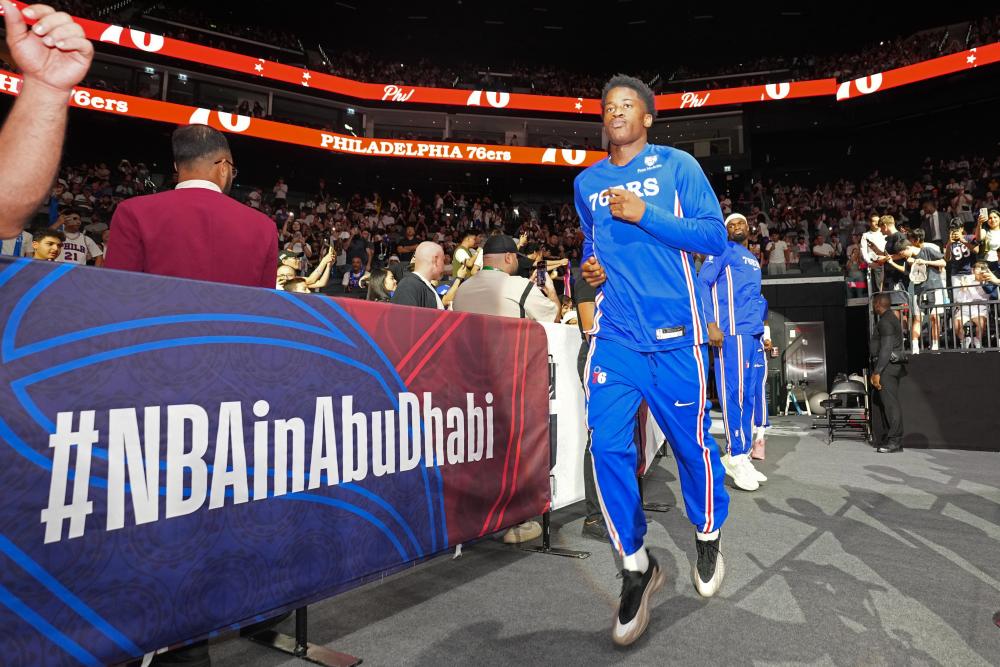
This tournament showcases the NBA’s expanding ties with the UAE, which include annual preseason games in Abu Dhabi, a major sponsorship with Emirates Airlines, and plans for an NBA Global Academy at NYU’s Abu Dhabi campus. The partnership is expected to grow, with the NBA reportedly seeking Abu Dhabi investment in a new European league set to start as early as 2027. This relationship benefits both the NBA, which gains significant investors, and the UAE, which uses the partnership to soften its international image despite facing allegations of inciting genocide in Sudan.
The NBA claims to follow U.S. government guidance in its dealings with the UAE, highlighting its efforts to promote basketball across the Middle East through game streaming and youth programs. However, the UAE’s luxurious image masks harsh realities, including suppression of dissent and exploitation of migrant workers who make up the vast majority of its workforce.
Beyond its borders, the UAE’s influence extends to violent conflicts. Evidence shows the Emirati government backing the RSF, a paramilitary group committing atrocities in Sudan’s ongoing civil war that began in April 2023. The war has resulted in tens of thousands of deaths and widespread destruction, with brutal acts like ethnic cleansing and sexual violence documented extensively. The RSF’s recent takeover of Darfur involved a massacre so severe it was visible from space.
Despite accusations and a lawsuit filed by Sudan’s military government at the International Court of Justice accusing the UAE of genocide complicity, the UAE denies involvement and continues to maintain normal international relations. Recently, the UAE has hosted many major international sporting events, including cricket’s Asia Cup, an NBA preseason game, a UFC event, and an F1 race, drawing global attention to its expanding sports portfolio while largely avoiding scrutiny.
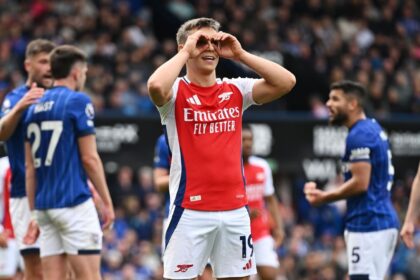
The UAE’s investments in sports extend to clubs like Manchester City FC and a range of sporting ventures that support its broader strategy to attract tourism and global recognition. However, criticism is growing; some Manchester City supporters have spoken out against the club owner’s country due to the Sudan conflict.
Calls for the NBA to reconsider its partnership with the UAE have largely been ignored, with Refugee International denouncing the Emirates NBA Cup as a tool to “sportswash” the brutal conflict in Sudan. Activists also criticized Bayern Munich’s sponsorship with Emirates Airlines, but the club’s leadership dismissed these concerns, showcasing the effectiveness of the Gulf state’s public relations efforts.
The NBA’s continued cooperation with authoritarian regimes—including Rwanda’s government—shows its reluctance to address serious human rights abuses. Imagine if global sports set firm ethical boundaries against genocide, war crimes, and dictatorship.
—
Fan Take: This issue matters deeply to basketball fans because it spotlights how the sport’s global expansion can sometimes come at a high moral cost. If the NBA continues partnering with regimes implicated in human rights violations, it risks damaging its integrity and alienating fans who believe sports should stand for more than just business.