

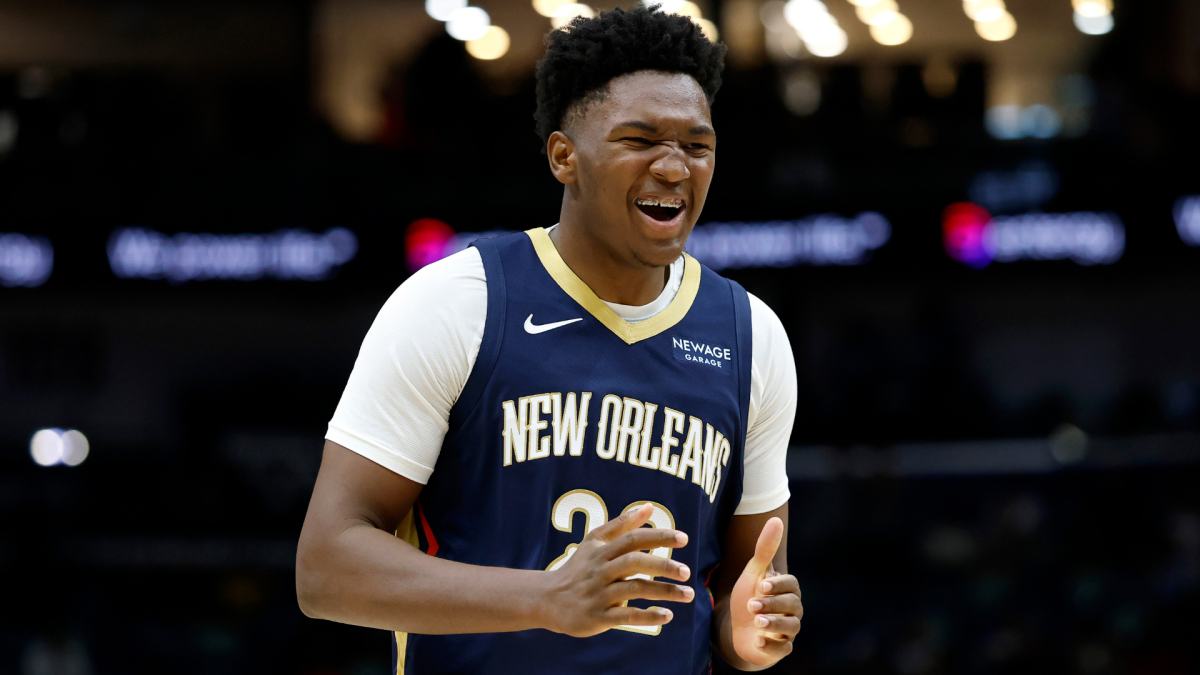
The New Orleans Pelicans faced widespread criticism in June after a controversial trade that involved acquiring Derrick Queen by giving up an unprotected 2026 first-round pick with swap rights to Milwaukee, despite already selecting Jeremiah Fiers with the seventh overall pick. However, recent developments have softened the critique as Queen has proven to be one of the top rookies in a strong draft class, even recording a 33-point triple-double while playing alongside Zion Williamson, indicating he could become a key player for the Pelicans’ future. While the players themselves have shown promise, the criticism now focuses more on the trading strategy used to acquire Queen, highlighting concerns about the long-term impact, especially since the Pelicans currently hold the worst record in the NBA during a strong draft year, potentially benefiting teams like the Atlanta Hawks who now control that valuable unprotected pick.
Joe Dumars, defending the trade, emphasized the aim to build a young core, admitting some draft capital was sacrificed but emphasizing the value he sees in the young players. However, critics argue the front office’s approach was flawed, suggesting several alternative strategies that would have been less risky and more financially prudent:
1. Simply draft Queen with the seventh pick instead of Fiers, given that Queen’s value appears higher in hindsight. The Pelicans’ attachment to Fiers likely overshadowed a more strategic approach to draft selections.
2. Protect the 2026 pick used in the trade, which seemed feasible and could have mitigated potential future losses, especially given the Hawks’ willingness to clarify that the pick was unprotected.
3. Trade player Herb Jones, a strong defensive wing on a favorable contract, for draft assets that could have contributed to obtaining Queen while maintaining financial balance.
4. Utilize Trey Murphy in a trade package, as his youth, versatility, and cost-effective contract make him a valuable trade asset, potentially capable of facilitating the acquisition of Queen.
5. Retain the Indiana Pacers’ 2026 first-round pick, which the Pelicans had acquired but gave up in the process, missing an opportunity to hedge risks associated with their other trades.
The article argues that the Pelicans’ leadership rushed the process to get Queen, disregarding more cautious approaches that could have preserved draft assets and long-term flexibility. This aggressive trade strategy ultimately exposed the Pelicans to greater risk, forcing their young players to justify a costly deal that included multiple valuable draft picks.
Fan Take: This story serves as a cautionary tale for NBA teams about balancing the pursuit of promising talent with the importance of prudent asset management. For basketball fans, it highlights how front office decisions can shape a team’s future competitiveness and the delicate trade-offs involved in building a championship contender.