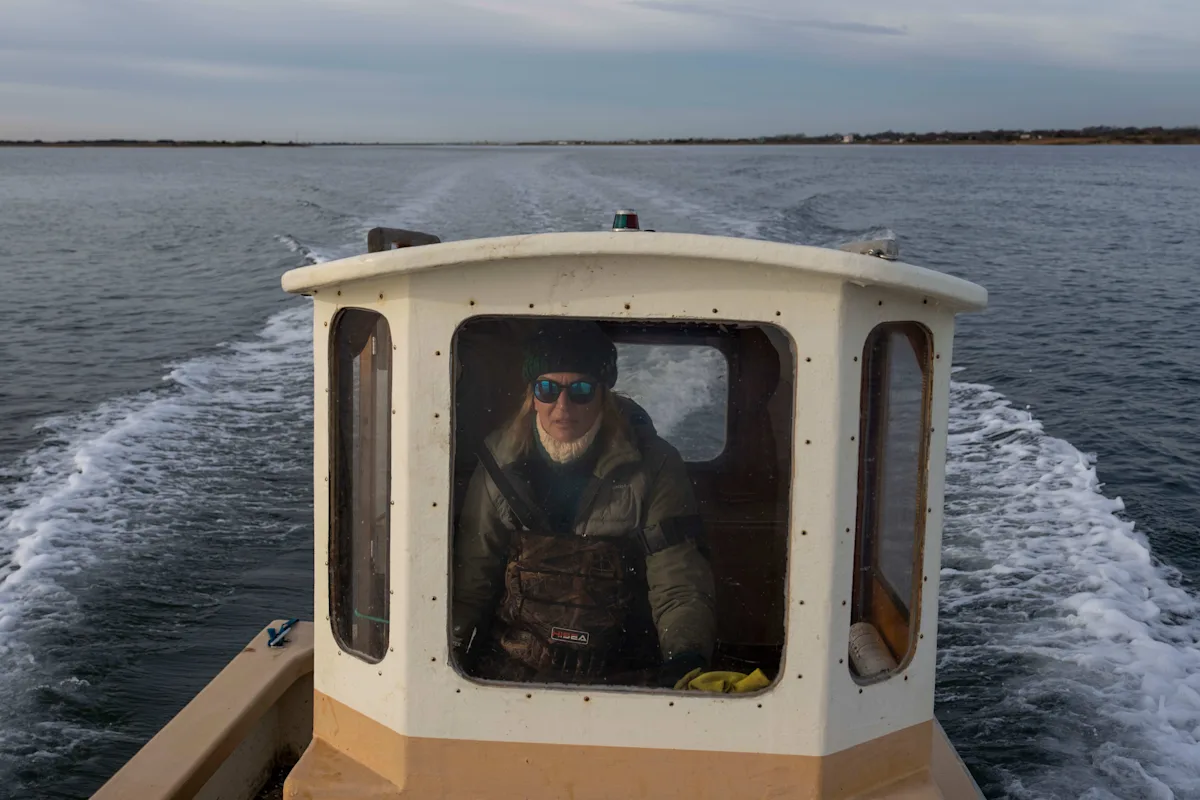
After a week of strong winds, New York’s East Moriches Bay finally calms, allowing Sue Wicks to check on her oyster farm, where many cages have been displaced. The former WNBA star and Hall of Famer, who started the farm at age 50, compares the anxiety it causes to the pressures of her basketball career. She admits some days she questions why she continues but finds joy that brings her back every day. Since retiring from the WNBA in 2002, Wicks, now 59, has worked in commentary, coaching, and fitness startups, feeling fortunate to find a fulfilling new path, although her basketball career never earned enough to fully retire on.
Despite the WNBA’s growing revenue from sponsorships and ticket sales, many players feel financially insecure upon retirement. Lisa Isard from Parity highlights how female athletes earn less than their male counterparts during their careers, making post-sport careers a necessity, unlike many NBA players who retire with significant wealth. The gap is stark: the average NBA salary is nearly $11.9 million, about 100 times the WNBA’s average of $120,000, reflecting differences in league scale and media deals.
Former WNBA All-Star Marissa Coleman contrasts the financial realities, noting most NBA players earn vast fortunes, making post-career work more about passing time than need, unlike female athletes who must continue working after basketball. The WNBA is currently embroiled in a labor dispute over player pay, focusing on revenue sharing as the league grows, with players seeking a larger cut of league income.
Deveraux Peters, a former player who moved into real estate development, emphasizes that transitioning careers isn’t as straightforward as basketball—effort doesn’t guarantee success. Financial adjustments were tough, and she had to quickly adapt to a new reality far from the lucrative earnings of professional sports. Leading an affordable housing project in South Bend, Indiana, has been her most challenging yet rewarding endeavor, aimed at helping those in need.
Coleman ventured into entrepreneurship, co-owning a pizza franchise and working in sports betting legalization and fantasy sports, driven by a passion for business nurtured during her playing days. She credits her parents for emphasizing education and career planning, which helped her prepare for life beyond basketball.
Many former players find roles in sports-related fields such as coaching or broadcasting, yet the transition remains difficult. Jayne Appel Marinelli, who advises players on post-basketball careers, notes ongoing efforts to support athletes through education and internships, but acknowledges the challenges as many struggle to see their skills transfer smoothly. When the league started in 1997, such support was non-existent, with survival being the primary goal.
Wicks’ hopes have evolved from simply keeping the league alive to advocating for player compensation that offers freedom and security. Peters stresses that players need better education on financial planning as basketball careers are typically short, and preparing for the future is crucial.
—
Fan Take: This story highlights the significant challenges WNBA players face in securing financial stability after their careers end, underscoring the need for better pay and post-career support. For WNBA fans, this ongoing fight for fair compensation isn’t just about equity in sports but also about ensuring players can thrive long after the final buzzer sounds, which ultimately strengthens the league and the sport’s future.