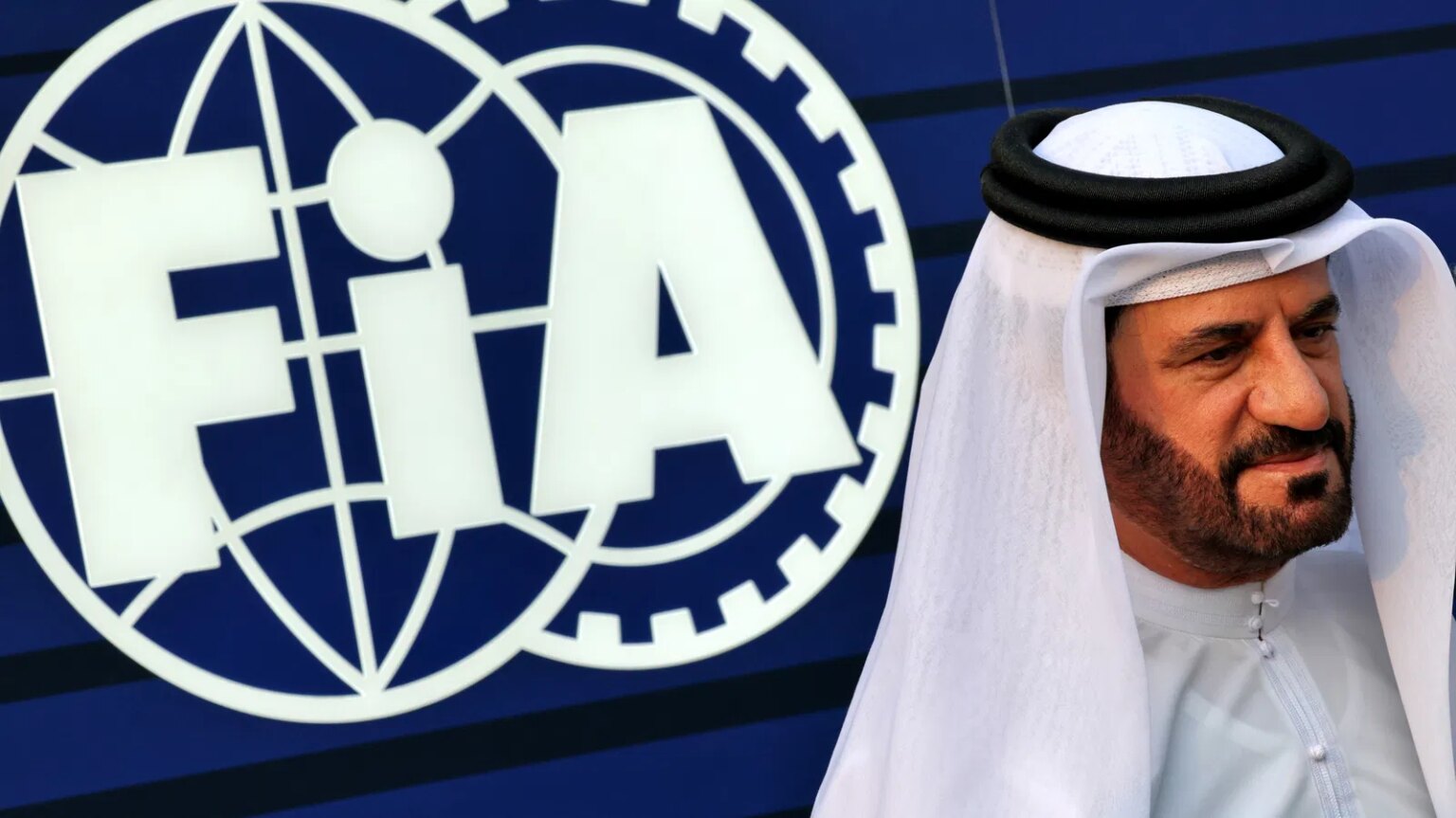
Mohamed Ben Sulayem will remain the president of the FIA for a second term. The governing body of Formula 1 announced on Friday that Ben Sulayem, who was the only candidate, has been re-elected as FIA president in Uzbekistan. Due to a peculiar aspect of the election rules, no other candidates were allowed to run against him, so he will stay in his role for another four years, until 2029.
Since taking over from Jean Todt in December 2021, the 64-year-old from the UAE has faced several controversies during his tenure. Ben Sulayem expressed gratitude to FIA members for their support and confidence, emphasizing that together they are stronger and that he is fully dedicated to serving the FIA, motorsport, mobility, and member clubs worldwide.
The FIA stated that the election was conducted according to its regulations through a robust and transparent process, reflecting the federation’s democratic principles and the collective voice of its members globally.
However, legal challenges loom. Swiss racing driver Laura Villars has filed a lawsuit against the FIA, citing that French court judges have identified irregularities in the presidential election that need consideration. Villars’ lawyer, Robin Binsard, said they plan to continue legal action, with the next hearing set for February 16, 2026.
An FIA spokesperson confirmed the election proceeded as planned on December 12 in Tashkent, Uzbekistan, and stated that the FIA remains focused on its general meetings and global issues concerning motorsport and automotive mobility.
Both Villars and American Tim Mayer had to withdraw their candidacies after failing to secure the required number of vice-presidential endorsements from different global regions. The FIA rules require representation from each world region, but only one vice president from South America was listed. Additionally, Fabiana Ecclestone, the wife of former F1 chief Bernie Ecclestone, has publicly supported Ben Sulayem.
Fan Take: This news is significant for racing fans because it ensures continuity in the FIA’s leadership during a critical period for motorsport’s future. However, the legal dispute highlights ongoing governance challenges that could impact decision-making and policies within the sport in the years ahead.