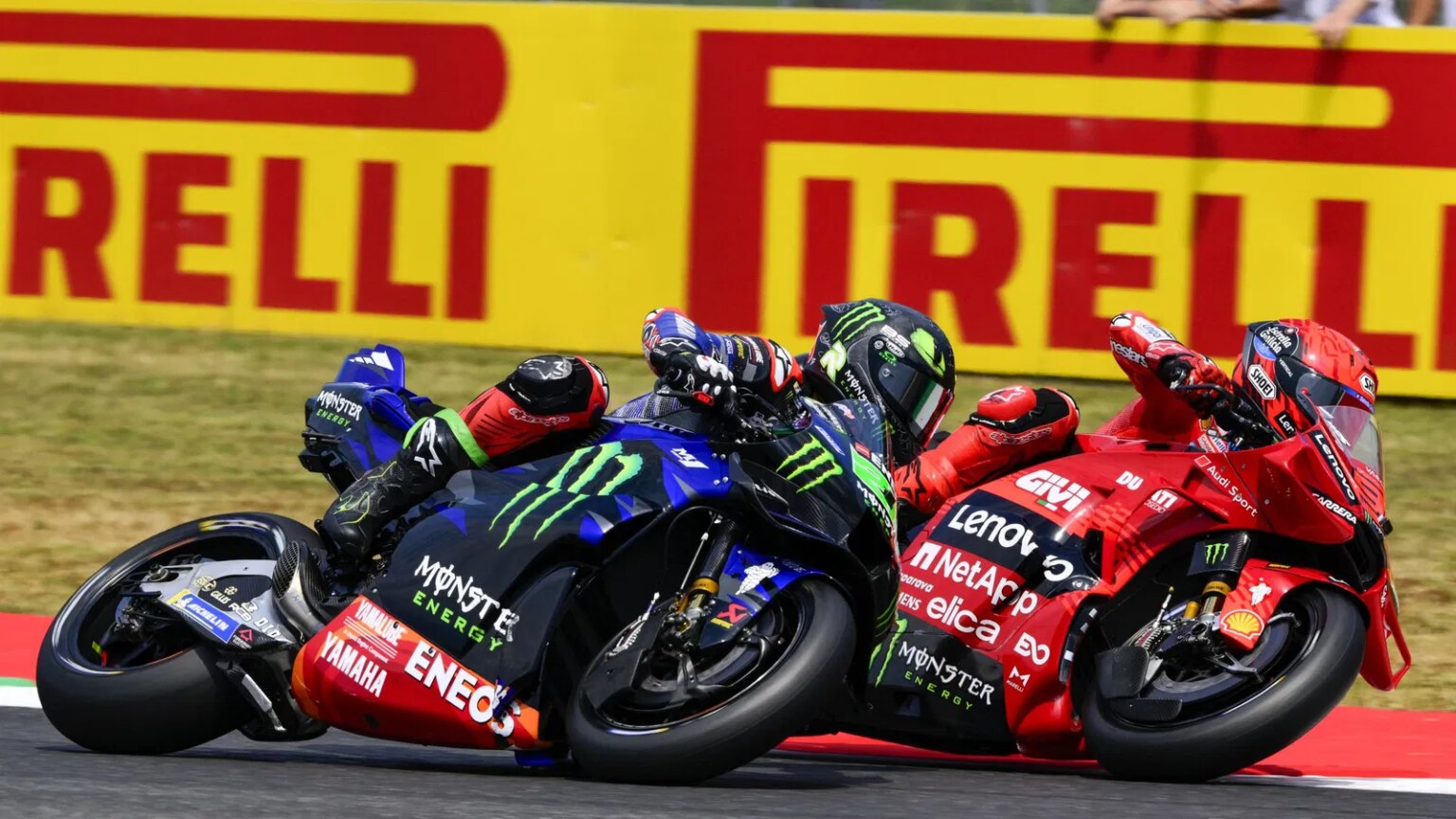
Pirelli has explained the shift in its 850cc MotoGP tire development from group testing sessions to supporting manufacturers’ individual private tests. After debuting at the multi-manufacturer test at Misano in September on a 1000cc bike, Pirelli was initially planning a second group test after the Valencia season finale. However, satisfied with Misano’s successful session on the soon-to-be-retired 1000cc machinery, Pirelli decided to wait until manufacturers bring track-ready 2027 850cc prototypes. Since each factory follows a unique timeline, organizing a joint test was deemed impractical.
Giorgio Barbier, Pirelli Motorcycle Racing director, noted the unusual start to the program without an 850cc bike ready. KTM was the first to test their 850cc bike at Jerez recently, and Honda followed with a private trial at Sepang. Ducati, Aprilia, and Yamaha have yet to reveal their 850cc machines, possibly taking months to appear. Barbier emphasized the importance of closely monitoring the manufacturers’ varying development speeds.
Pirelli’s initial task was to create tire casings compatible with the same rim sizes currently used, which differ from their usual specs. Testing on current bikes at Misano proceeded smoothly, with teams and riders contributing valuable feedback under favorable weather conditions. Though lap times remain confidential, the outcome surpassed expectations, leading Pirelli to cancel the planned 1000cc test in Valencia. Instead, they will supply reference tires for manufacturers’ private tests as teams coordinate their own schedules and tracks.
Barbier highlighted the parallel development challenge of new bikes and tires, stressing collaboration. If manufacturers require more Pirelli data before moving fully to 850cc models, the company is open to supporting continued 1000cc testing. He drew comparisons to Moto2, where teams initially faced tire wear issues but have since adapted to softer compounds through experience—a process he believes MotoGP teams will also undergo.
Private testing offers Pirelli a broader data set from different circuits, allowing tailored tire compounds and constructions to meet varied track demands. Manufacturers can select up to three current GP circuits for private tests, with Yamaha enjoying additional testing privileges due to their D concession status. Testing venues often include Jerez, Misano, Aragon, Sepang, and Tegi. Pirelli plans to follow each manufacturer individually unless they choose to share testing costs and test together.
Looking ahead, testing may begin later in Europe during 2026, with some Japanese teams potentially conducting winter tests in Asia. Pirelli remains flexible about test locations to best support the manufacturers’ development needs.
Fan Take: This strategic shift from group to private testing signals a more customized and collaborative approach to the next era of MotoGP, promising faster tire development and better synergy with each manufacturer’s unique bike. Racing fans can expect more tailored tire performance, which could lead to closer competition and more thrilling races in the 2027 season.