
The Golden State Warriors began this season with a clear objective to avoid the precarious situation they faced last year, where they had to struggle until the regular season’s final moments just to qualify for the play-in tournament. However, after playing one-third of the season, their record stands at 13 wins and 14 losses, placing them among the bottom 10 teams offensively. If the playoffs started now, they’d need to win an additional play-in game to advance, and even that chance is uncertain, as they are tied as the underdog with the ninth-ranked Memphis Grizzlies and close behind other teams like Utah, Portland, and the Mavericks.
The Warriors’ struggles can be attributed to several factors, including the team’s aging roster, lack of speed and athleticism compared to younger players like Jonathan Kuminga, and inconsistent defense. Although they rank fifth in defensive ratings on paper, they struggle to effectively protect the rim and contain drives, particularly during crucial moments, leading to a poor 5-9 record in close games and weak defense under pressure. The team is also small, often out-rebounded, prone to turnovers, and lacking cohesion when it matters most.
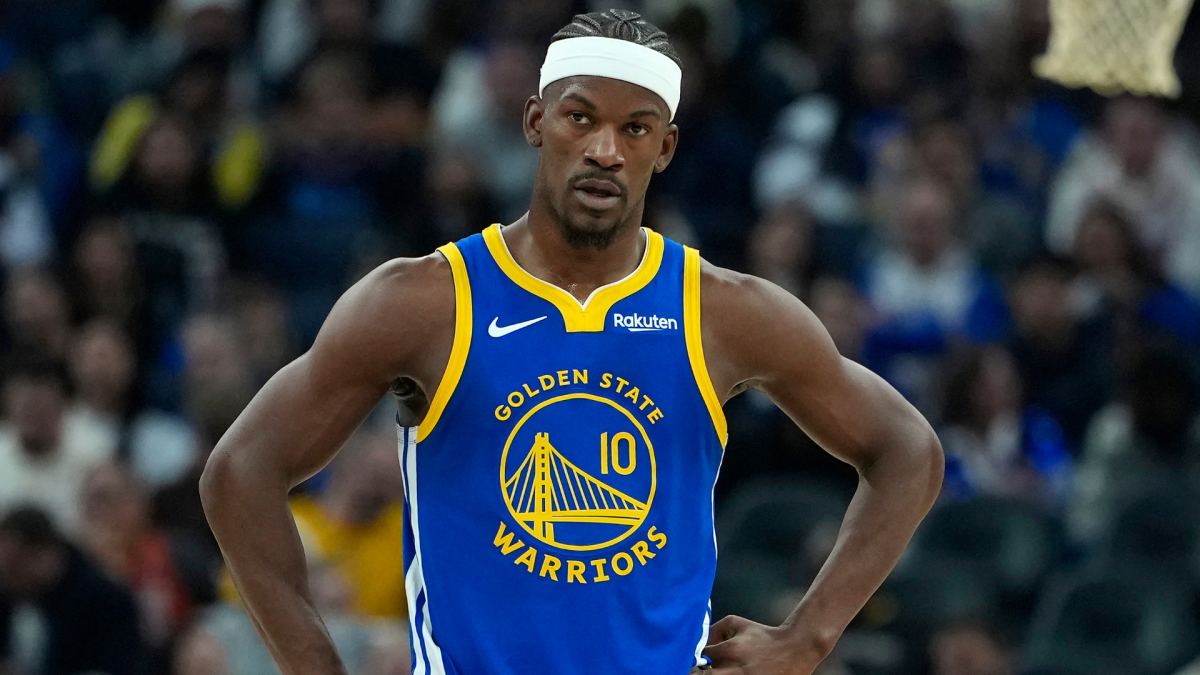
Another point of concern is Jimmy Butler’s performance. Despite appearing strong statistically—averaging 19 points per game with a career-best true shooting percentage and a 44% three-point shooting rate—his impact on the court is less noticeable than the numbers suggest. He contributes in less flashy ways, like defense and playmaking, but hasn’t fully delivered the scoring and leadership expected from a $54 million player this season. Head coach Steve Kerr has acknowledged his own shortcomings in integrating Butler effectively, noting Butler has yet to reach 20 points in a game this season and averages only 11 shot attempts.
Kerr stated the team needs to prioritize involving Butler more offensively, especially through structured plays when star player Steph Curry is off the court. Kerr and Butler agree that the Warriors must move away from Curry’s free-flowing style during those times and run a more traditional offense centered on Butler’s strengths. Statistics show that the team’s offensive rating plummets when Curry benches, underscoring the need to better utilize Butler’s skill set to control the half-court game and distribute opportunities.
However, Butler also shares some blame. Despite his reputation and playoff heroics, questions have risen about his reluctance to assert himself consistently on offense since joining the Warriors. He has admitted to holding back early to prioritize team dynamics, but this passivity has been a concern among fans and analysts, especially during critical moments like last playoffs when he went scoreless in the final pivotal minutes. While injuries and team dynamics offer some explanation, Butler’s cautious playing style contrasts with the aggressive leadership expected from a top-tier star.
Ultimately, while Kerr can take some responsibility for tactics and player usage, Butler must also step up by asserting more control and taking the necessary shots to energize the offense. For the Warriors to revive their championship aspirations, Butler’s active engagement and assertiveness in creating and finishing plays will be crucial.
Fan Take: This situation with the Warriors and Jimmy Butler is a critical storyline for basketball fans because it highlights the complex balance between individual talent and team dynamics in the NBA. How the Warriors and Butler navigate these challenges could redefine leadership and teamwork standards in the league and potentially reshape the Warriors’ future success.