

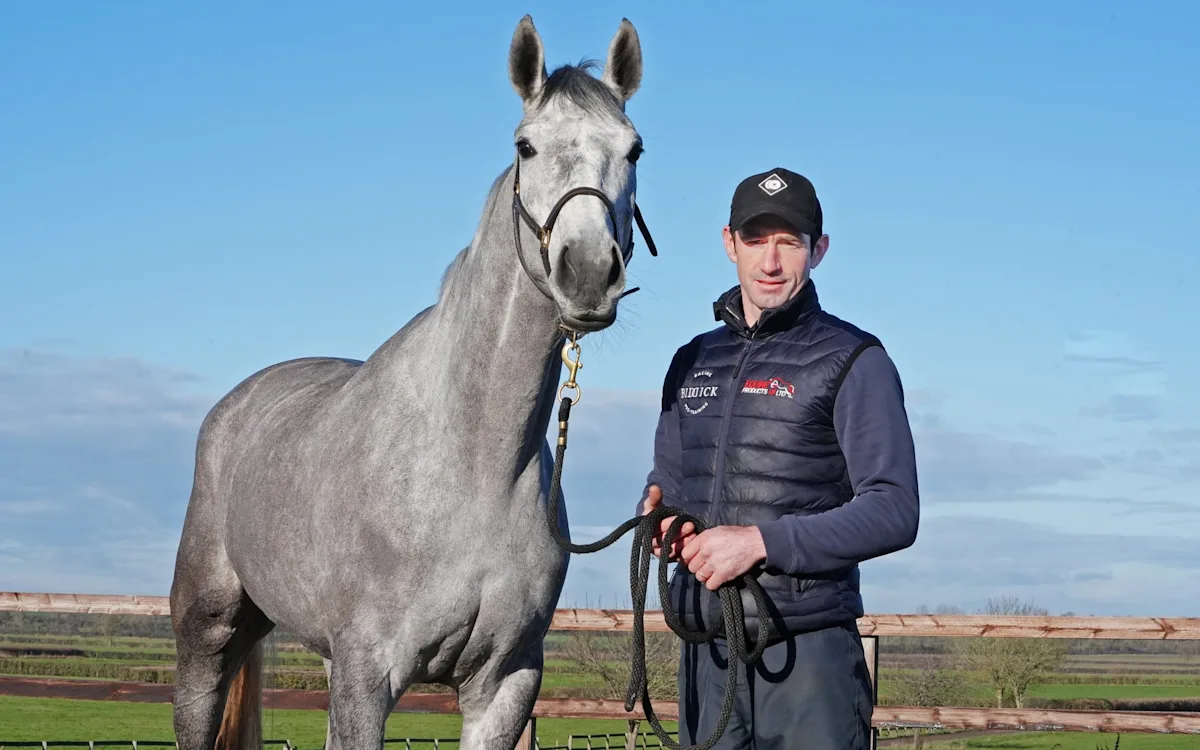
On the brink of the peak of the current point-to-point season, Will Biddick, the record-holder with 623 wins and the most victorious male jockey in this discipline, shocked the jump racing community by announcing his immediate retirement. Biddick emphasized that his decision wasn’t due to typical reasons like age, fitness, weight, or fear, but simply because he no longer felt the adrenaline rush or excitement from racing. Reflecting on his career, he fondly recalled the friendships made and experiences lived over 23 years, with only one broken ankle to show for the many falls.
Biddick, 39, from Cornwall, described his early days, noting how unlikely it was for his younger self to imagine such success. Coming from a family involved in hunting but initially uninterested in racing, he started competing at 16 and faced many falls before finding his footing. Encouraged by a family friend, Len Vickery, he trained under Venetia Williams and later Paul Nicholls, achieving significant milestones, such as winning the Festival Plate at Cheltenham at 22.
Despite some serious crashes and injuries throughout his career, Biddick maintained a remarkable record, including equaling the season win record with 68 victories in 144 rides. He recounted memorable moments, like narrowly escaping a disastrous fall at Ax Vale and winning all three major Foxhunter challenges, as well as training Porlock Bay to a Cheltenham Foxhunter win during COVID-19 restrictions.
Biddick expressed concerns about the future of point-to-point racing amid rising costs and diminishing participation from owners, trainers, and horses. He stressed the importance of adapting to changes in the sport and suggested that innovative thinking and a grounded connection to the community are vital for its survival. As he transitions into training and coaching while balancing family life, he remains optimistic about his new chapter, especially with promising horses in training.
Fan Take: Will Biddick’s retirement marks the end of an era for point-to-point racing, highlighting the physical and emotional toll of the sport even on its most successful athletes. His departure is a wake-up call for the racing community to innovate and support grassroots racing, ensuring the sport remains vibrant and accessible for future generations.