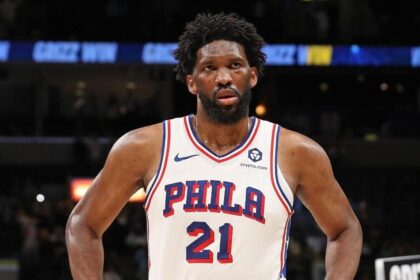
The NBA introduced the 65-game rule for the 2023-2024 season, requiring players to participate in at least 65 games during the regular 82-game season to qualify for awards and honors. This rule aims to discourage “load management,” where teams rest star players to avoid injuries and keep them playoff-ready. According to the NBA, this policy is designed to prevent long player shutdowns, ensuring that star players appear in televised games and in-season NBA tournaments. Teams that breach the rule may face fines unless they prove a player’s absence is due to injury or personal reasons, but the player’s eligibility for awards and team selections will still be affected.
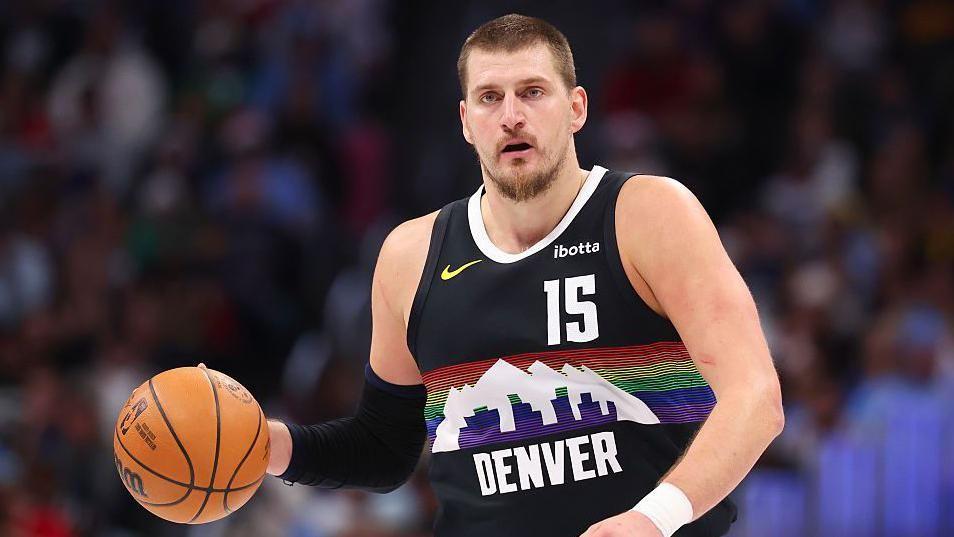
Nikola Jokic, a three-time MVP and standout for the Denver Nuggets, has been exceptional this season, leading the league in rebounds and assists while averaging 30 points per game. On December 25, 2025, he made history by scoring 55 points, 15 rebounds, and 15 assists in one game, surpassing Stephen Curry’s triple-double record. However, a knee injury sustained during a game against the Miami Heat puts Jokic’s possibility of winning a fourth MVP at risk. Initial scans suggest he will miss about four weeks, roughly equating to 16 games—just under the 17-game maximum allowed to remain eligible for awards. If his injury proves more severe on further examination, he may fail to meet the game minimum and lose eligibility for major honors.
The rule has sparked mixed reactions. Basketball journalist Grant Afseth argues the restrictions are too stringent, believing that voters should have the discretion to judge a player’s impact even if they miss the game count by a small margin. Fans and several sports media commentators have voiced their displeasure, with former pro Kenyon Martin advocating for the rule’s abolition, citing it harms players’ legacies. Conversely, some NBA insiders like Denver Nuggets coach Michael Malone support the rule, emphasizing that it encourages star players to compete in more games and attracts viewership.
Fan Take: This rule significantly impacts how star players’ seasons are managed and could reshape the criteria for recognizing excellence in the NBA. For basketball fans, it raises important debates about fairness, player health, and how the sport balances competition with entertainment value.