

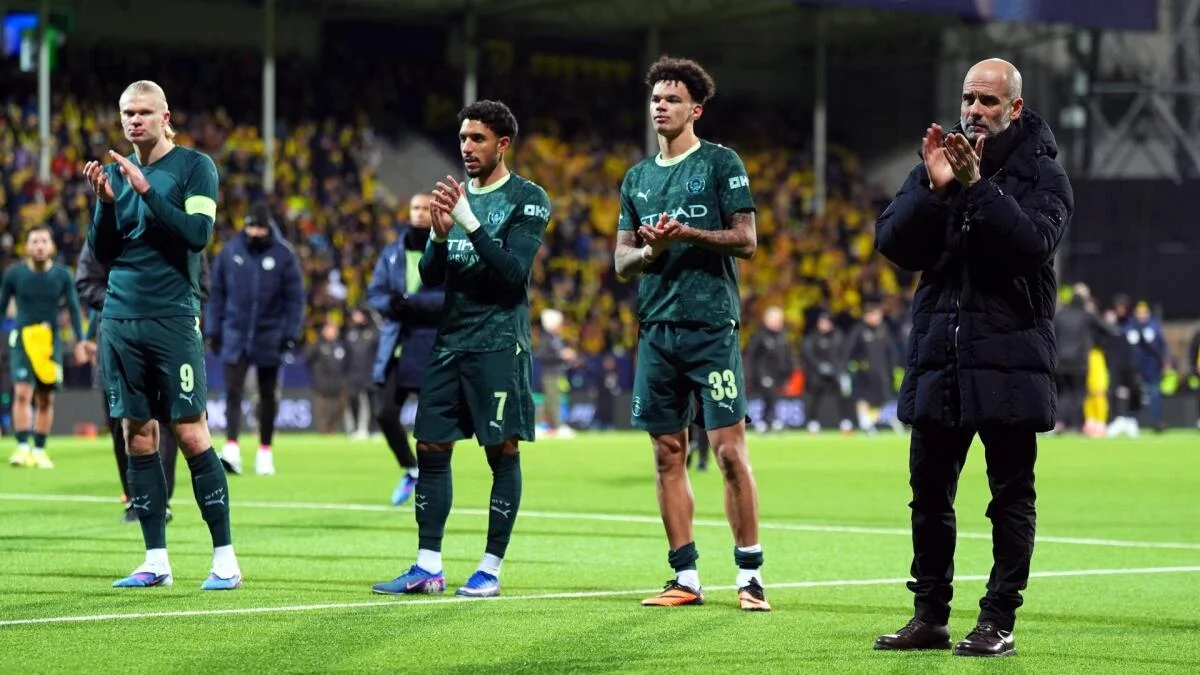
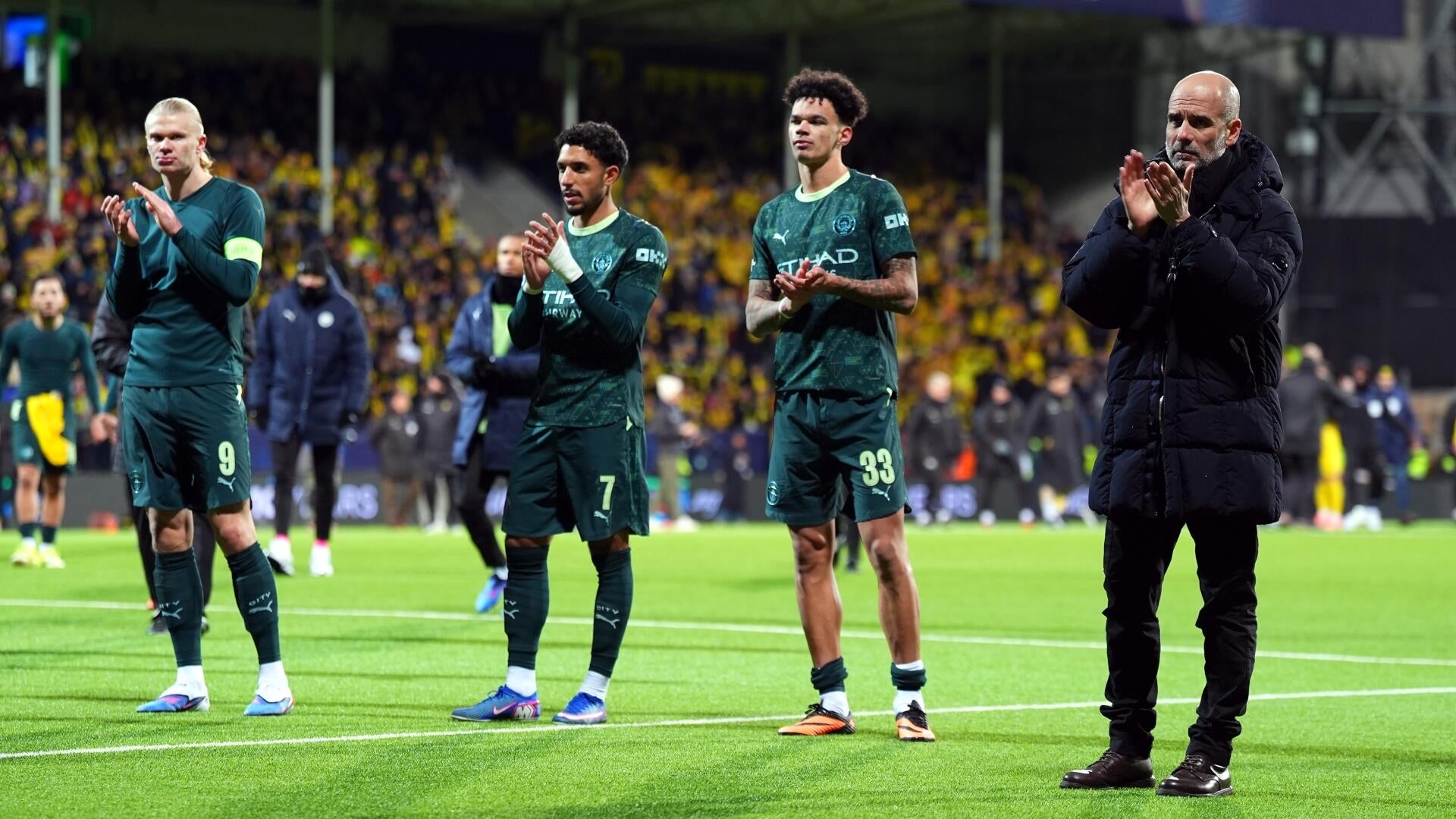
On Tuesday, Manchester City faced Bodø/Glimt in the UEFA Champions League, a match that highlighted a significant disparity between the teams. For City, the stakes are always heightened; their entire identity is built on overpowering opponents. This dominance is fueled by substantial financial backing, yet it is the memories of past glory that create a lasting impact. The echoes of their previous successes linger, making it clear that their current struggles are particularly poignant—especially in moments like when Liam Gallagher intros his iconic song ‘Champagne Supernova’ with reflections on change and life’s oddities, which could just as well mirror the state of his favorite club.
City’s recent game was troubling, culminating in a disappointing 3-1 defeat that felt like a low point. Their vulnerabilities were laid bare in the Arctic Circle by an opponent that came in with numerous disadvantages, not least of which was a lack of competitive play since December 10th. Goals from Kasper Hogue and Jens Petter Hauge quickly put City on the back foot, leaving them unable to recover.
Bodø/Glimt has built a reputation as a challenging opponent, and City’s injury woes prevented them from fielding some key players. The Norwegian side capitalized on this, significantly exceeding their expected goals average of 1.35 by managing eight shots in total. Securing their first Champions League win was impressive, especially since anything less would have led to their elimination.
However, the fact that City dug themselves into this situation speaks volumes. Once an unstoppable force, their attacking prowess has noticeably dwindled over the last year. On Tuesday, they generated only 1.16 expected goals from 16 shots, managing just one goal—scored by Rayan Cherki in the 60th minute. The team has become overly reliant on Erling Haaland, who has struggled to make an impact in games recently, suffering from a lack of scoring in his last four matches and contributing minimally with just 14 touches.
City is aware of these shortcomings and has already spent about $100 million on players like Antoine Semenyo and Marc Guehi to fortify their squad. The club seems to have embraced a rebuilding phase, a transition reflected in their performance and the adjustments being made. Cherki’s score on Tuesday hints he could be a dependable asset moving forward, even if the overall team performance was lacking.
Acknowledging the necessity of a rebuild has made the challenges more apparent. Despite Pep Guardiola’s ongoing attempts to integrate new talents, there’s still work ahead. Take Rodri, the Ballon d’Or winner, who has struggled to regain his previous form post-injury and faced issues during the match with two quick yellow cards.
Nevertheless, City managed enough to produce a solid show against Bodø/Glimt, reminiscent of their recent 2-0 defeat to Manchester United. The slump that began in the fall of 2024 shows no immediate signs of abating, suggesting that merely adding new players won’t rectify all the team’s longstanding issues. If that’s the case, Guardiola may have a significant challenge on his hands.
Fan Take: For soccer fans, City’s decline from their once-dominant state serves as a reminder that even the most powerful teams can falter. This evolving landscape in football enhances the unpredictability of matches, making every game an essential watch as we witness how traditional powerhouses navigate the challenges of modern football.