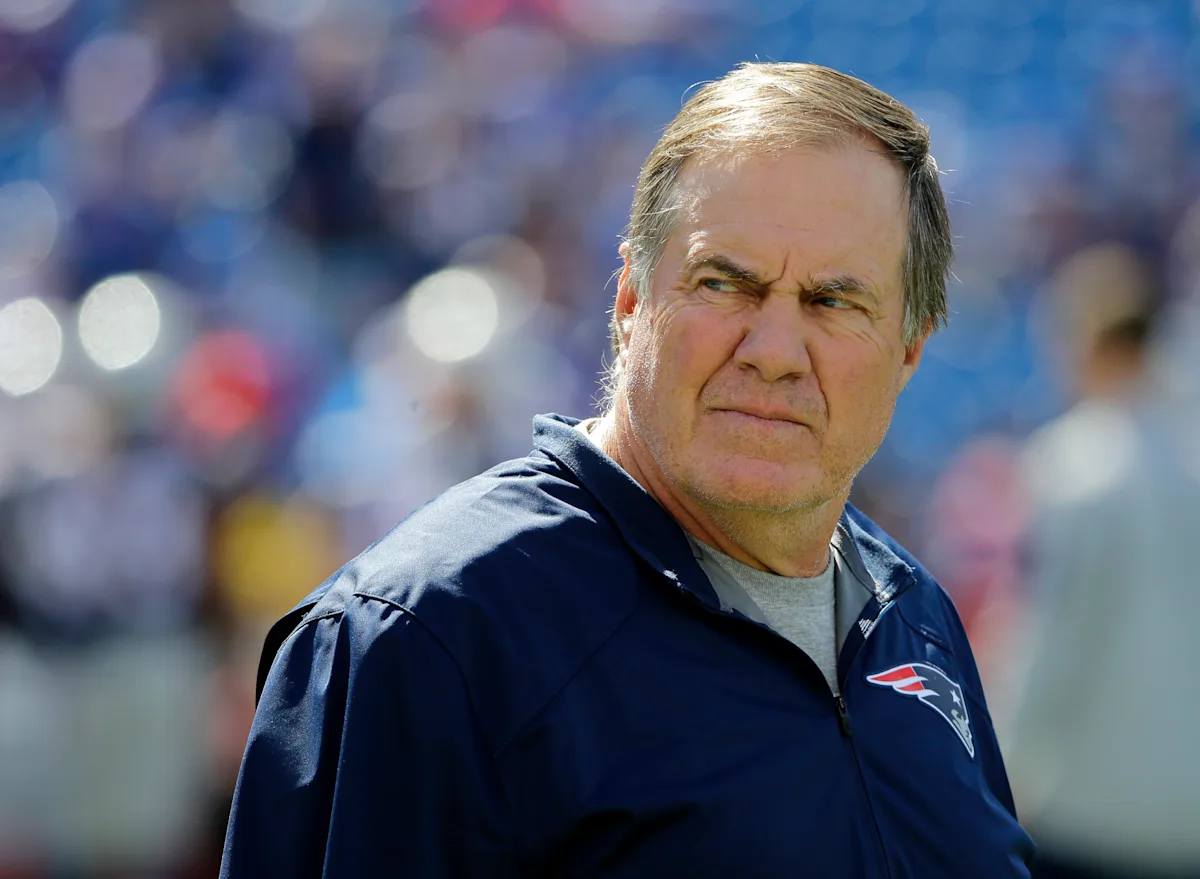
At least 11 of the 50 Pro Football Hall of Fame voters who were present declined to support Bill Belichick’s induction, and the first to speak publicly about his decision was Kansas City Star columnist Virhe Gregorian. In a Star column published Wednesday, Gregorian said his vote against Belichick had nothing to do with the well-known Spygate or Deflategate controversies — he believes Belichick ultimately belongs in the Hall — but he cast his ballot the way he did because of how the new voting rules affect older and non-modern candidates.
Gregorian explained that the ballot included five non-modern or contributor-type candidates — Belichick, Patriots owner Robert Kraft (Contributor), and three senior-era players: Ken Anderson, Roger Craig and L.C. Greenwood — and recent Hall rules limited voters to choosing no more than three of them. That created a squeeze: each of the five needed 40 votes from a pool totalling 150, and Gregorian said he felt compelled to use his three available picks on senior players who, in his view, had been overlooked for decades and might never get another shot. He expected Belichick to be a near-certain selection in the future and decided the seniors were more urgent.
Gregorian added that questions about cheating did not influence his ballot. He said the system pushed him to prioritize candidates who likely have no other chance, even though he sympathizes with those upset that Belichick didn’t get in this year. He urged the Hall to reconsider the voting rules that produced this dilemma.
Other voters who supported Belichick have also voiced frustration — upset about leaked results, harassment, and the new voting constraints — and some attendees acknowledged outright that Spygate played a role for certain voters reluctant to endorse Belichick. Observers suggest multiple motives were at work, and it seems probable Belichick will receive enough support next year, though that could again come at the expense of other contributors and senior players.
Fan Take: This matters to NFL fans because it exposes how procedural changes can reshape who gets recognized, not just by merit but by timing and ballot structure. If the Hall’s rules keep producing results like this, expect ongoing controversy over fairness and who ultimately gets enshrined.