
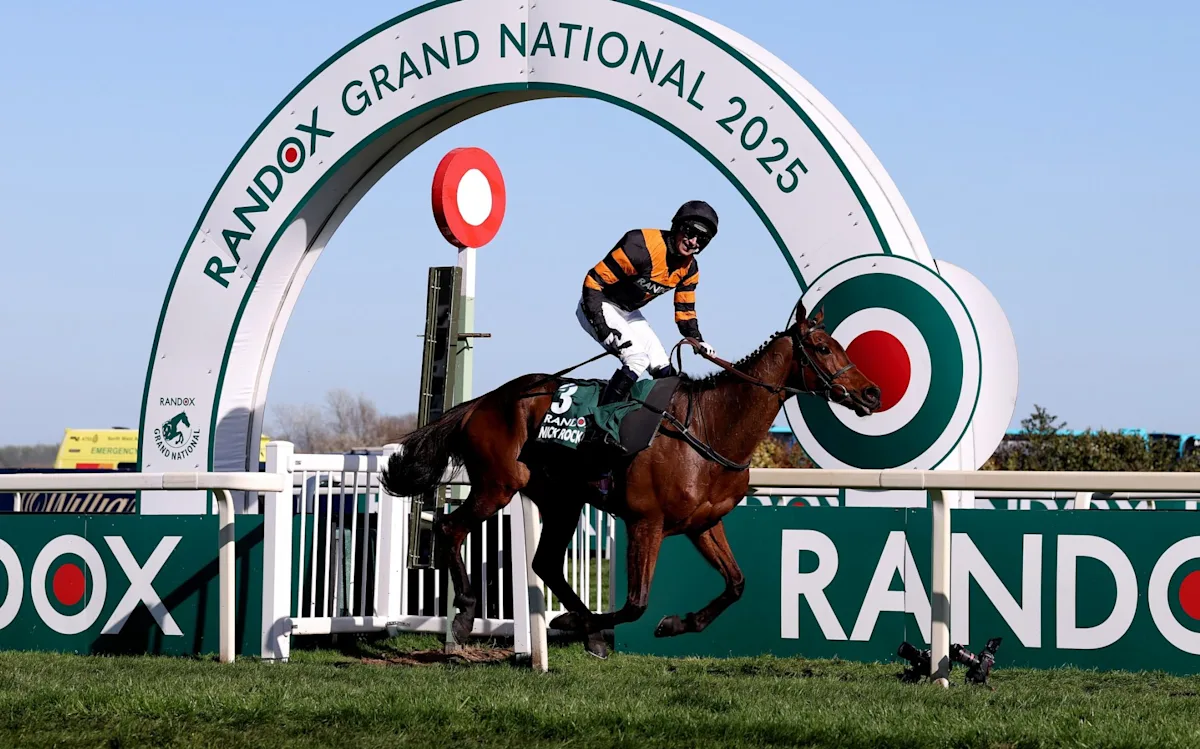
The Grand National stands as the premier event in the British horse racing season, captivating fans worldwide. Every year, thousands of spectators gather at Aintree Racecourse, while millions more tune in via television, eager to see which horse and jockey duo will etch their names into racing history.
When is the Grand National in 2026?
The Grand National will take place on Saturday, April 11, 2026, at 4 PM. This race marks the highlight of the three-day Grand National meeting, which kicks off on Thursday, April 9. Additionally, Ladies’ Day is scheduled for Friday, April 10.
Which TV Channels Broadcast the Grand National?
The race is broadcast live on ITV 1 and Racing TV.
Where is the Grand National Held?
The Grand National and its associated three-day festival are hosted at Aintree Racecourse, situated just outside Liverpool.
How Many Horses Compete in the Grand National?
While around 90 horses are initially entered, the number narrows as the season progresses. The Cheltenham Festival significantly influences the final lineup, which sees 34 horses declared as runners.
When Is the Final Horse List Announced?
The final field is confirmed three days before the race, on Wednesday, April 8, allowing 72 hours’ notice. This is a change from the previous 48-hour announcement to help manage non-runners better by increasing the reserves from four to six, who can be called up until 1 PM the day before the event.
How Long is the Grand National?
One of the longest events in the season, the race covers two loops of the course, totaling four miles and two and a half furlongs.
How Long Does the Race Last?
Race duration varies with track conditions. The fastest recorded time is 8 minutes 47.8 seconds by Mr Frisk in 1990, the only horse to finish in under nine minutes. In contrast, the inaugural 1839 race took nearly 15 minutes, with an average winning time around 9 minutes 10 seconds.
How Many Fences and Jumps Are There?
Thirty-four runners face 30 fences over two laps—16 fences in the first lap, then 14 on the second before a final sprint to the finish. Safety improvements over the years include modifying fences to make them more forgiving for horses.
Notable Fences on the Course
- Becher’s Brook: Known for its challenging landing, the fence drops between 5 to 10 inches on the landing side, despite not being the tallest. Safety changes have been made to reduce risks.
- The Chair: The largest fence, standing 5 feet 2 inches tall with a 6-foot-wide ditch ahead. The landing side is higher, creating a unique challenge opposite to Becher’s Brook.
- Canal Turn: Famous for the sharp 90-degree turn horses must take after jumping, this fence is 5 feet tall and is one of the more daunting on the track.
- Foinavon: One of the smallest fences, it is famous for a major pile-up in 1967 that allowed the horse Foinavon, unaffected by the chaos, to claim an unexpected victory.
Grand National Prize Money
The event offers a total prize fund of £1 million, with the winner’s team receiving £500,000. The remaining prize money is distributed among other top finishers (detailed figures were not provided).
Ticket Prices and Purchasing Information
Tickets for various stands and enclosures at Aintree are available on the official Jockey Club website. Prices on Grand National Day range from approximately £44 for general areas like The Embankment to over £250 for premium seating and hospitality options, many of which tend to sell out quickly.
History of the Grand National
The race dates back to February 1839, when a horse named Lotto won the inaugural Grand Liverpool Steeplechase, the precursor to today’s Grand National. Early races featured obstacles such as stone walls, farmland crossings, and hurdles.
Recent Winners
The list of winners is extensive, though notably, the 2020 race was canceled due to the COVID-19 pandemic.
Fan Take:
The Grand National’s enduring appeal lies in its dramatic course and deep-rooted history, which continue to enthrall fans globally. With evolving safety measures and a massive prize pool, the race remains crucial for maintaining the sport’s prestige and drawing new generations to horse racing.