Earlier this week, CBS Sports shared an article ranking the top 100 promising prospects in Major League Baseball, highlighting individual players with the potential for impactful careers. Now, the focus shifts to evaluating the minor league farm systems themselves, identifying which MLB organizations have the strongest and weakest development pipelines.
This topic is naturally subjective. Some believe that the best organizations are those with the highest-ranked elite prospects, regardless of the overall depth. Others emphasize the importance of a wide pool of quality prospects across different levels. Our perspective lies somewhere in the middle—while having standout talent is invaluable, a farm system loaded with numerous solid prospects is equally significant.
Below, we present the rankings for the top three and bottom three farm systems currently in the sport. Keep in mind that player development is a continuous process, and these rankings will likely change as players report to spring training and demonstrate improvements. Viewing this as just a snapshot in time can help temper expectations.
The Best Farm Systems
1. Los Angeles
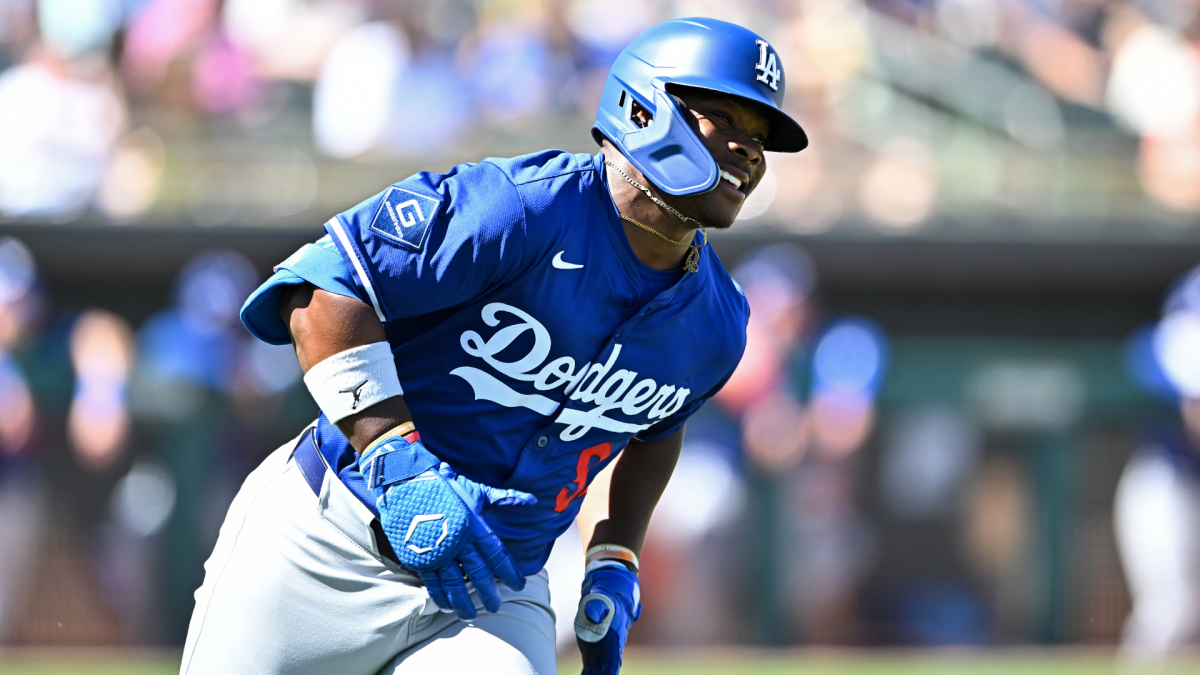
The arguably boast one of the most impressive player development operations in baseball history. Despite often having later draft picks due to luxury tax penalties, they consistently cultivate high-quality players. Their system blends elite talent—like outfielders Josue de Paula, Eduardo Quintero, and Jehir Hope—with remarkable depth. Other teams have praised the ’ extensive coaching staff and their tailored approach to developing each player’s skills, ensuring sustained success.
2. Seattle Mariners
Leading the league with seven top-100 prospects, the Mariners rank second due to the ’ slight edge in elite talent. Seattle’s farm includes promising talents such as infielder Colt Emerson, an excellent left-handed hitter capable of playing shortstop, and a steady flow of quality pitching prospects like Cade Anderson, Ryan Sloan, and Jurangelo Cinche. This reflects the Mariners’ strength in pitcher development and solidifies their position among the game’s best farm systems.
3. Milwaukee Brewers
Several teams could contend for this spot, including the Pittsburgh Pirates, Cleveland Guardians, and New York Mets. The Brewers stand out for combining good depth with high-upside infield prospects. Jesús Made, who could become the top prospect by next year, along with Luis Peña, Jett Williams, Logan Henderson, and Jefferson Kelo, contributes to Milwaukee’s strong pool of five top-100 prospects. Many other promising players just outside the top 100 round out their system’s promise.
The Weakest Farm Systems
1. Houston Astros
The Astros are the only team without a single player in the top 100. This situation largely results from their strategy over the past decade, focusing on win-now trades and late-round draft picks. Recently, they released key prospects Jacob Melton and Anderson Brito while acquiring pitcher Mike Burrows. Although Houston has shown an ability to develop contributors at the major league level, their farm system needs to deepen to sustain long-term competitiveness.
2. Colorado Rockies
With just two lower-ranked top-100 prospects, the Rockies’ system has underperformed relative to recent high draft picks like first baseman Charlie Condon and versatile infielder Ethan Holiday. Both players have yet to meet expectations, raising questions about the organization’s player development. The Rockies have made changes to their management and are looking to revamp their development approach, suggesting this ranking could improve in the near future.
3. Kansas City Royals
Among teams with only one top-100 player, the Royals had the lowest-ranked prospect in this group, placing them third from the bottom. However, their farm system holds potential with players like Kendry Choriot and David Shields, who could climb the prospect rankings. The Royals have also made progress in promoting young talent to the majors, such as outfielder Jack Carianone and pitcher Noah Cameron, which bodes well for the future.
Fan Take: For baseball fans, understanding which teams are developing the next wave of stars adds another layer of excitement to the sport. These farm system rankings not only highlight where future talent may emerge but also reveal organizational strengths and weaknesses that could shape MLB’s competitive landscape in the years ahead.