
March Madness has become such a deeply rooted national event that debates over controversial team selections and snubs are not only inevitable but also expected each Selection Sunday when fans eagerly await the announcement of the tournament brackets. The rise of bracketology reflects our shared curiosity about what teams need to make the tournament and how they will be seeded. To aid this, seven different metrics—consisting of both predictive and outcome-based rankings—are utilized by selection committees as they decide the field for the 2026 NCAA Tournament.
These rankings fall into two categories: predictive metrics like the NCAA Evaluation Tool (NET), KenPom, ESPN’s BPI, and Torvik, which forecast a team’s potential based on factors such as offensive and defensive efficiency adjusted for opponent strength; and outcome-based metrics, including KPIs, ESPN’s Strength of Record (SOR), and Wins Above Bubble (WAB), which evaluate the difficulty of a team’s accomplishments. By season’s end, many teams’ scores on these metrics tend to align, but for certain schools—especially from major and mid-major conferences—there can be significant discrepancies, leading to spirited discussions among committee members about at-large bids and seeding.
Looking ahead to Selection Sunday, here are 10 teams with divisive profiles due to contrasting metric rankings:
- The defending national champions Florida Gators have struggled in key nonconference games but continue to dominate the SEC, leaving the committee to decide whether to favor their strong conference standing.
- Louisville has a stark divide in their ratings: they rank highly when their top freshman plays but fall significantly without him, raising questions about their seeding.
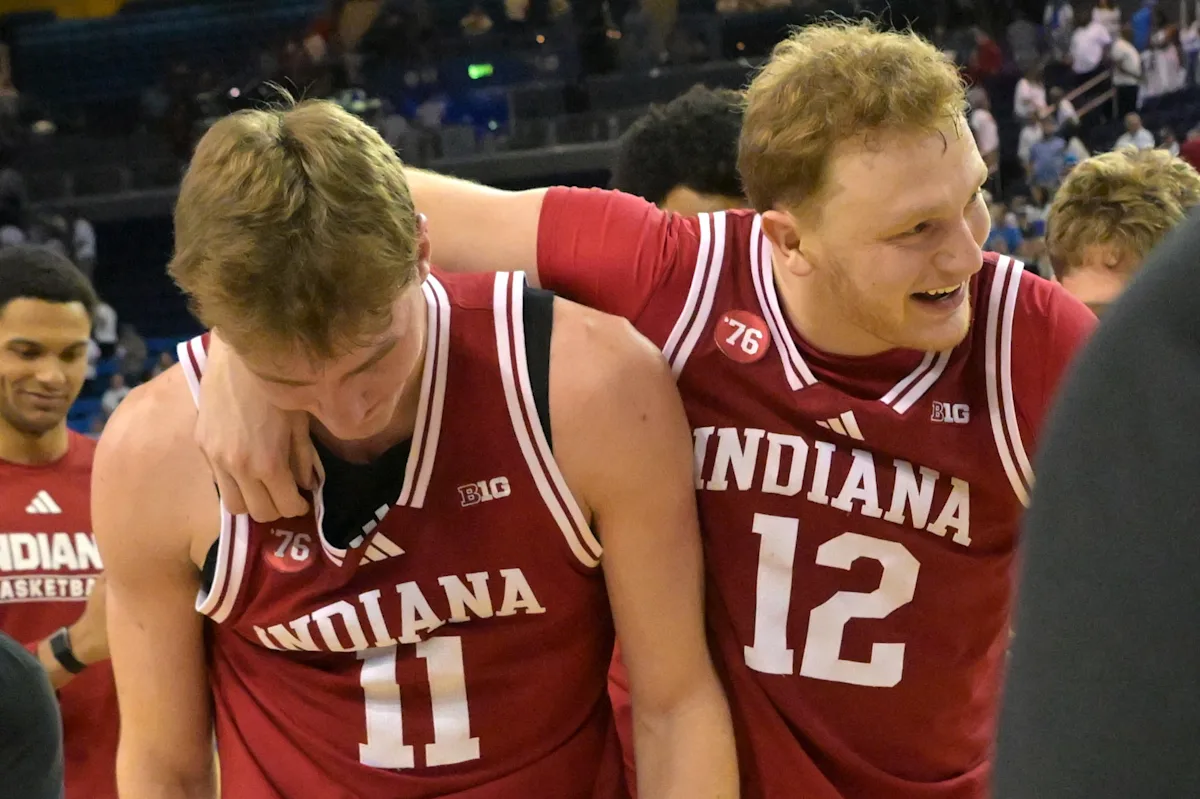
- Indiana’s mixed results, including recent big wins and some heavy losses, put them on the tournament bubble, with their ultimate fate hinging on upcoming performances.
- UCF’s relatively soft nonconference schedule combined with no bad losses but some big wins presents a resume that could challenge voters.
- Texas has solid predictive metrics bolstered by notable SEC wins but needs to avoid more slip-ups or lose ground quickly given their lack of marquee nonconference victories.
- Washington, hovering on the bubble, faces scrutiny because while their losses are mostly to strong opponents, they still have 10 defeats that weigh heavily in outcome-based assessments.
- California’s rebound from a losing streak has improved their bubble standing, but a weak nonconference slate limits their margin for error moving forward.
- Oklahoma State’s early-season nonconference success contrasts with struggles in conference play, creating a complicated case for the committee.
- George Mason, despite a strong record, ranks lower in predictive metrics due to losses in key games, highlighting their need for more high-quality wins late in the season.
- Miami (MAC) remains undefeated but is ranked low in predictive models, raising concerns whether one or two late losses might jeopardize their at-large chances.
These tense evaluations underscore the ongoing complexities and debates behind NCAA Tournament selections, as teams with polarizing profiles force the committee to weigh different aspects of performance and potential.
Fan Take: This analysis sheds light on how nuanced and challenging the NCAA Tournament selection process truly is, highlighting that success in college basketball is about more than just wins and losses. For fans, understanding these metrics reveals the delicate balancing act that can determine whether a team’s amazing season ends with a coveted tournament bid or with bitter disappointment.