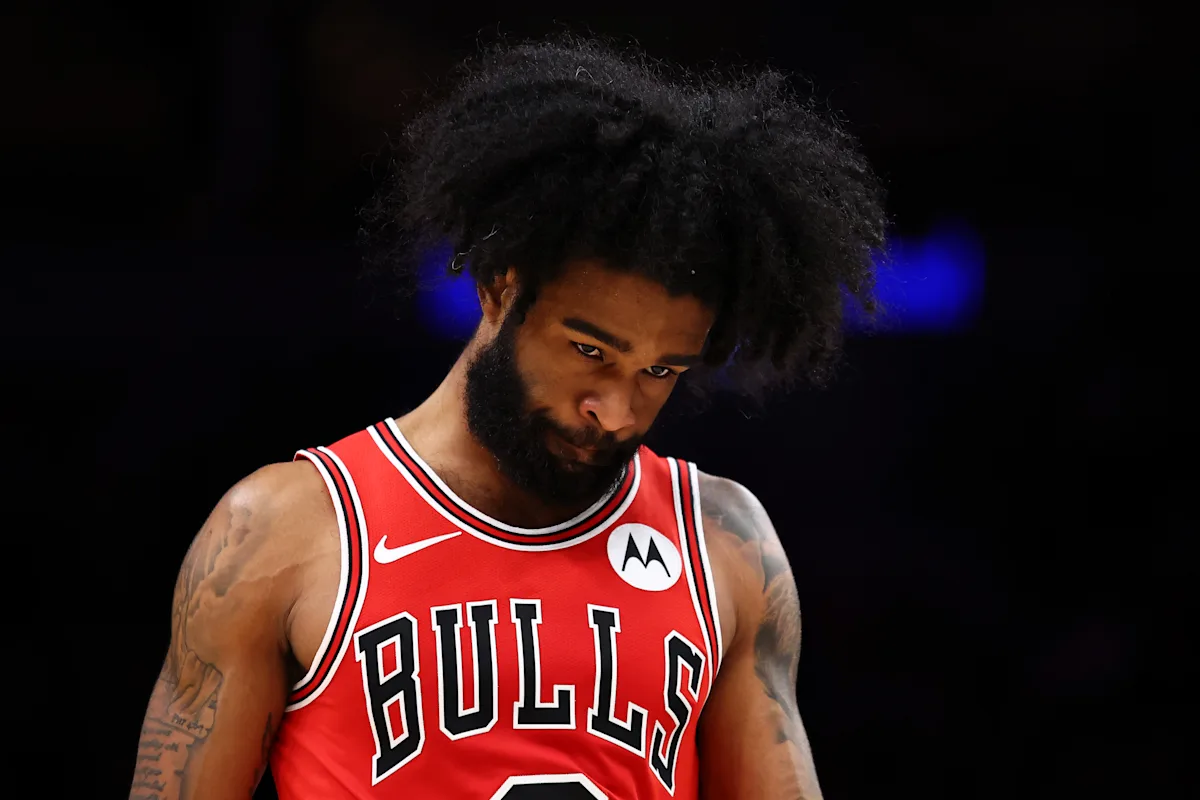
The Chicago Bulls have continued to make roster changes, this time trading players they arguably should have moved over a year ago in order to gain assets of real value. The main piece involved is Coby White, whose contract situation has been widely discussed on this platform.
In short: the Bulls traded White to the Charlotte Hornets for the least valuable return possible, which has become a pattern in their recent trades.
The deal itself is somewhat complex. On Wednesday, the Oklahoma City Thunder sent Ousmane Dieng to the Hornets in exchange for Mason Plumlee. Dieng was then traded to Chicago, culminating in the overall transaction: Coby White and Mike Conley Jr. went to Charlotte, while Collin Sexton, Dieng, and three second-round draft picks headed to Chicago.
Now, it’s time to evaluate the trade.
Charlotte Hornets: B+
The young and improving Hornets made a significant upgrade by acquiring White, who is particularly effective without the ball, and they managed to do so without parting with much. Adding White is a strategic move ahead of his free agency, as Charlotte might aim to secure the high-scoring guard during the summer, especially with him returning home. White offers versatility as either a starter or bench scorer, providing scoring, playmaking, and defensive improvements. Essentially, he’s an enhanced version of Sexton, making this a clear win for Charlotte.
Chicago Bulls: C
While the Bulls can at least claim they received something in return, the timing of this trade is the major issue. White was a much more valuable asset a year ago, and the Bulls’ hesitation to act sooner has cost them. Stephen Noe’s detailed analysis highlights this delay thoroughly. Fans shouldn’t applaud the Bulls for finally addressing the White dilemma; this is a move that should have been made long ago.
Fan Take:
This trade is a critical moment for Bulls fans who have been waiting for decisive action that respects the value of their young talent. For basketball fans overall, it underscores how timing and decisiveness in player transactions can significantly impact a team’s trajectory and the competitive balance of the league.