
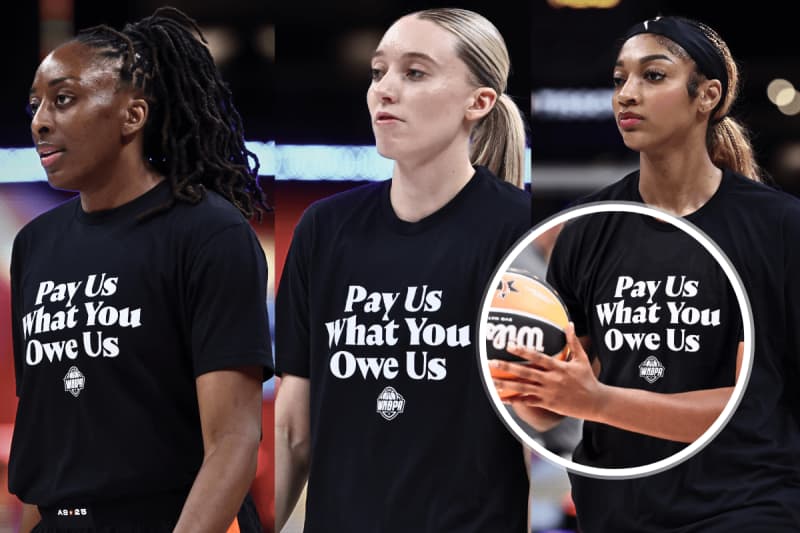
There is currently a division within the WNBA Players Association (WNBPA), unrelated to disputes with league owners. According to ESPN, ongoing collective bargaining agreement (CBA) talks have deepened the split among WNBPA leaders, who differ on how aggressively to negotiate and how far to push for changes.
The core of the disagreement centers on two differing strategies. One group feels the players should stand firm, resist any compromises, and demand significant alterations to the league’s revenue-sharing system. The other believes players have already made substantial progress and that extending the standoff or risking a strike could ultimately be detrimental.
This internal conflict has now become public, causing uncertainty for both players and fans alike. While the possibility of a strike remains, this internal division might be the most pivotal development in the league’s labor talks to date.
Despite their differences, both sides agree on the importance of hearing directly from the team owners, avoiding layers of intermediaries and legal counsel. Reports indicate that WNBPA President Nneka Ogwumike, First Vice President Kelsey Plumb, and Vice President Nafeesa Collier will attend meetings in person, while Vice President Brianna Stewart plans to join via video conference. They have also invited those unable to be there physically.
Fans remain unsure whom to trust and are confused about the outcome, but many have voiced their opinions on social media. The fanbase is divided over the ongoing CBA dispute and the possibility of the season being impacted by the negotiation turmoil.
Basketball analyst Robin Lundberg supports the more moderate group, suggesting it’s wise to avoid a strike now that progress is close. He warns that prolonging the conflict could complicate matters and damage the sport. This view has garnered agreement from several fans on social platforms.
Conversely, some fans argue that the players shouldn’t settle prematurely and should consider involving their most devoted supporters before making any final decisions. One user expressed concern about rushing into a poor deal and suggested that star player Caitlin (CC) could influence the league’s future by potentially joining rival organizations like Unrivaled or Project B, which might disrupt the current ecosystem.
However, Caitlin’s possible move to these alternative leagues is speculative, as she has reportedly declined an offer from Unrivaled before. Ultimately, key decisions are expected to come from established leaders like Nneka Ogwumike, Sue Bird, Elena Delle Don, Chiney Ogwumike, Elizabeth Williams, Lacia Clarendon, and Natalie Achonwa.
Some users acknowledge that factions and conflicts are normal during labor negotiations, though such divisions are rare in elite sports. Still, the situation appears increasingly uncertain, marking a challenging period for the WNBPA.
Among the controversy, one comment stood out by suggesting that the first group may fully align with Unrivaled’s interests, potentially risking the future of women’s professional basketball. This user implied a conspiracy, alleging that certain groups might seek to end the WNBA to profit from the 3-on-3 league, drawing a grim picture of the current state of women’s basketball.
Fan Take: This internal split within the WNBPA is crucial for WNBA fans because it could significantly impact the league’s future stability and competitive balance. How these negotiations unfold will not only affect players’ livelihoods but also the growth and visibility of women’s basketball as a whole.