
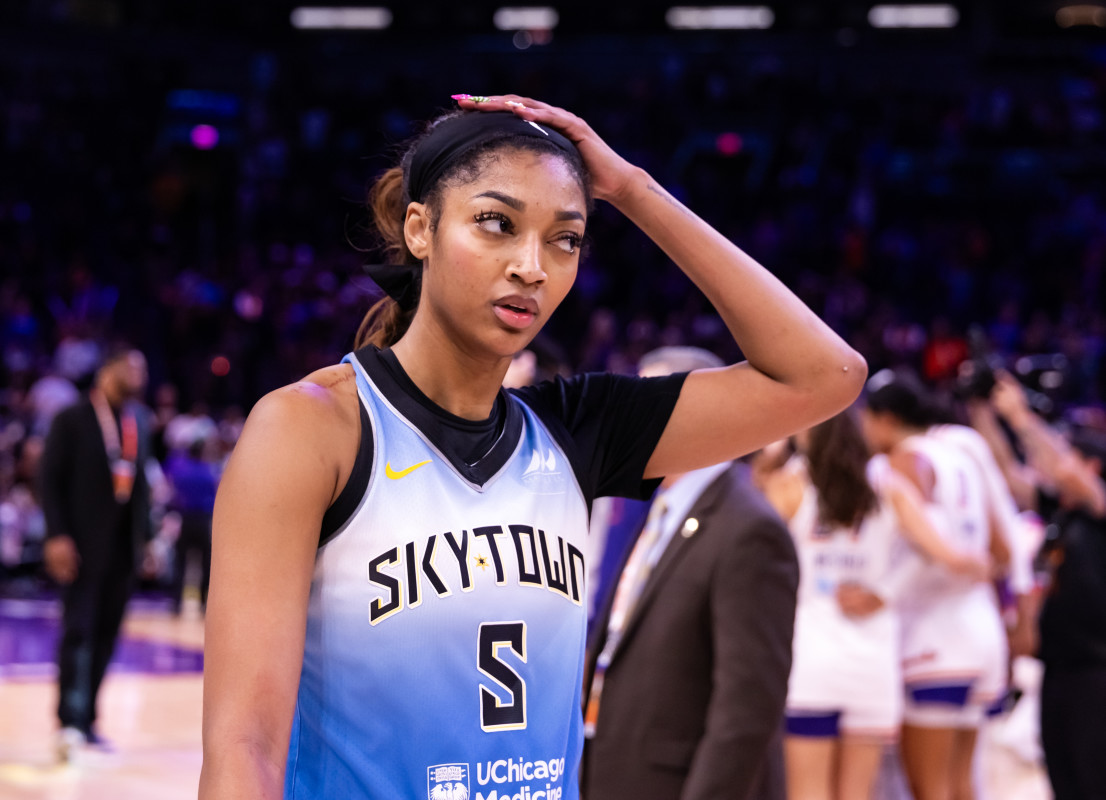
Amid ongoing uncertainty in the WNBA, Angel Reese has made it clear that she knows exactly what she wants. Since joining the league in 2024, Reese has consistently delivered strong performances, averaging 14.1 points and 12.9 rebounds per game. However, despite her individual success, the Chicago Sky have struggled, compiling a 23-61 record over the last two seasons. In a recent interview with the Chicago Tribune, Reese voiced her frustrations about the team’s situation.
“We won’t settle for the way things were this year,” Reese stated. “We need to bring in good players, great players. That’s non-negotiable for me. I want to play alongside the best athletes, and I’m ready to do whatever it takes this offseason to make that happen. We can’t afford to be complacent if we want to attract top talent.”
In December, Reese reaffirmed her commitment to staying with the Sky. Yet questions linger about the future of the league, as the WNBA has yet to finalize a new collective bargaining agreement. Players are clearly demanding a bigger share of the league’s revenue.
“There’s nothing we shouldn’t get,” Reese said recently when asked about the pay gap between men’s and women’s basketball.
As of Wednesday, the WNBA and its players’ union remain without a new deal. They recently held a lengthy meeting focused more on candid conversations about each side’s views rather than on exchanging fresh proposals, according to ESPN’s Alexa Philippou. Sources told ESPN that meeting face-to-face was helpful for both sides to break the month-long deadlock, with the 2026 season fast approaching and a resolution growing more urgent.
Reports indicate that the players’ association has proposed a contract featuring a $10.5 million salary cap and players receiving 30% of the league’s gross revenue, while the league prefers a $5 million cap.
The upcoming weeks will be crucial as these negotiations continue.
This article was originally published by The Spun on February 4, 2026, in the WNBA section.
Fan Take: This negotiation is a pivotal moment for the WNBA because it could greatly impact player compensation and the league’s growth trajectory. For fans, securing a fair agreement means better talent retention and a more competitive, exciting future for women’s basketball.