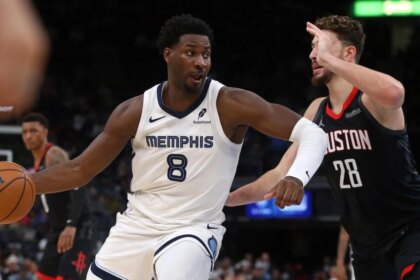

Kristaps Porzingis appeared to be an ideal fit for the Warriors, who have long sought a stretch five who can both protect the rim and complement Draymond Green—similar to what Al Horford offered before them. The Warriors now have both players, reminiscent of the Celtics’ championship team in 2024. However, the reality is different. Porzingis struggles with postural orthostatic tachycardia syndrome (POTS), a serious autoimmune condition that causes symptoms like dizziness, fainting, rapid heartbeat, blurred vision, and fatigue when standing, significantly impacting his ability to play consistently. He managed to participate in only 42 games last season and just 17 this year, last appearing on January 7th. Although ESPN’s Anthony Slater suggested Porzingis might return against the Lakers soon, and Steve Kerr confirmed careful consideration was given before trading for him, lingering health and injury concerns remain a big question mark.
While Kerr acknowledges the Warriors’ potential is “absolutely lower” than if they had secured a healthy Jimmy Butler, it’s disheartening to see such a candid admission of lowered expectations. One positive outcome of this trade is that it effectively closes the chapter on Jonathan Kuminga’s time with the Warriors—an emotional burden since he rarely played until Butler was injured. Moving on from Kuminga feels like a small victory for the franchise.
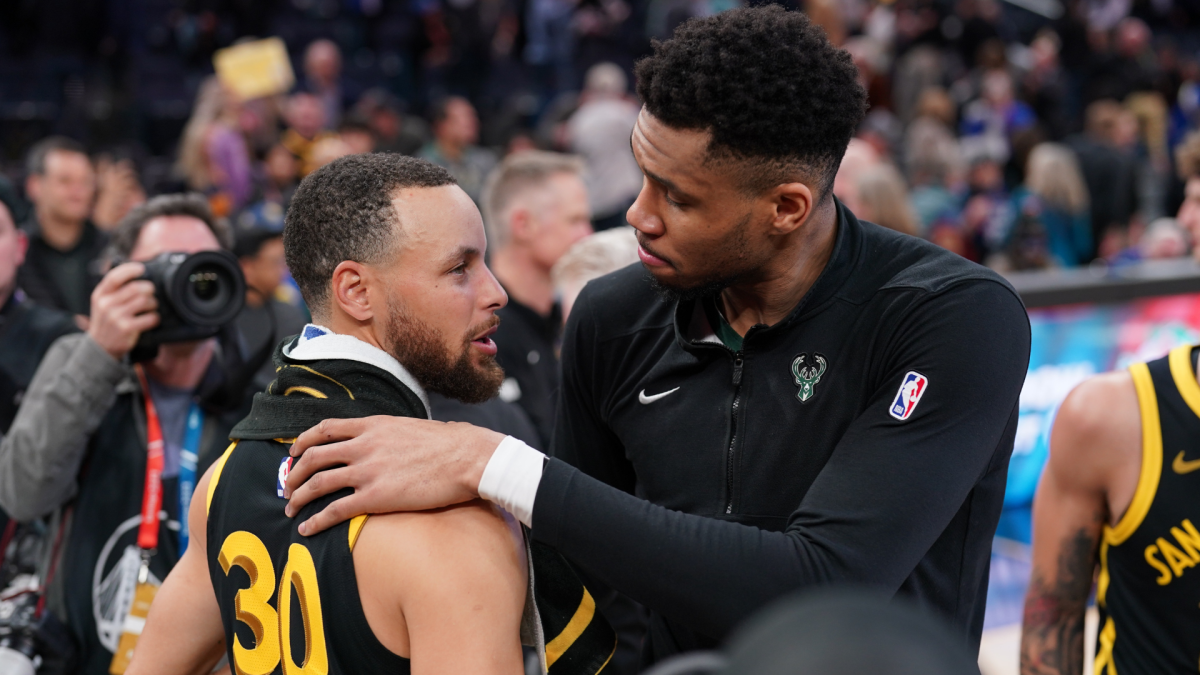
Many Warriors fans may feel let down by this trade deadline since Porzingis was the only starter who could realistically challenge Giannis Antetokounmpo. Yet, the idea of acquiring Giannis remains alive, despite reports that Milwaukee demands an “overwhelming” package of up to five first-round picks—a feat the Warriors could theoretically accomplish this summer. Golden State’s roster management has been criticized for fixating on the Giannis dream at the expense of more practical moves. Though they did acquire Jimmy Butler by giving up a protected first-round pick (which turned into the 20th overall pick last summer), fans feel the front office waited too long to trade Kuminga and Wiseman, squandering their value when they were highly touted.
While a more aggressive use of draft picks was needed, the Warriors also needed to avoid rash decisions at the deadline. Players like Anthony Davis, who carries a huge contract, or Michael Porter Jr. and Trey Murphy, who would command expensive packages, are difficult fits. Other teams made significant moves by trading multiple picks for players like Jaren Jackson Jr. and Ivica Zubac, demonstrating what’s possible for Golden State if they act decisively.
The Warriors’ hope of landing Giannis by trading for Markkanen is costly, and Golden State seems unwilling to pay top dollar to truly contend. Instead, they appear to prefer either modest moves like acquiring Butler or going all-in with Giannis, leaving other promising players seen as insufficient to push the team over the hump. Ultimately, Porzingis, if healthy by the postseason, could help address a long-standing need for the Warriors, and might re-sign or be part of a sign-and-trade next year. While the Warriors aren’t giving up on the Giannis dream, the longer they chase it, the less time remains to maximize Curry’s remaining prime years.
Fan Take: This trade highlights the complex balance between managing player health, roster potential, and ambitious dreams in today’s NBA. For basketball fans, it underscores how critical and delicate front office decisions are in shaping the future of teams and the sport itself—sometimes a “perfect fit” on paper doesn’t translate seamlessly on the court.