

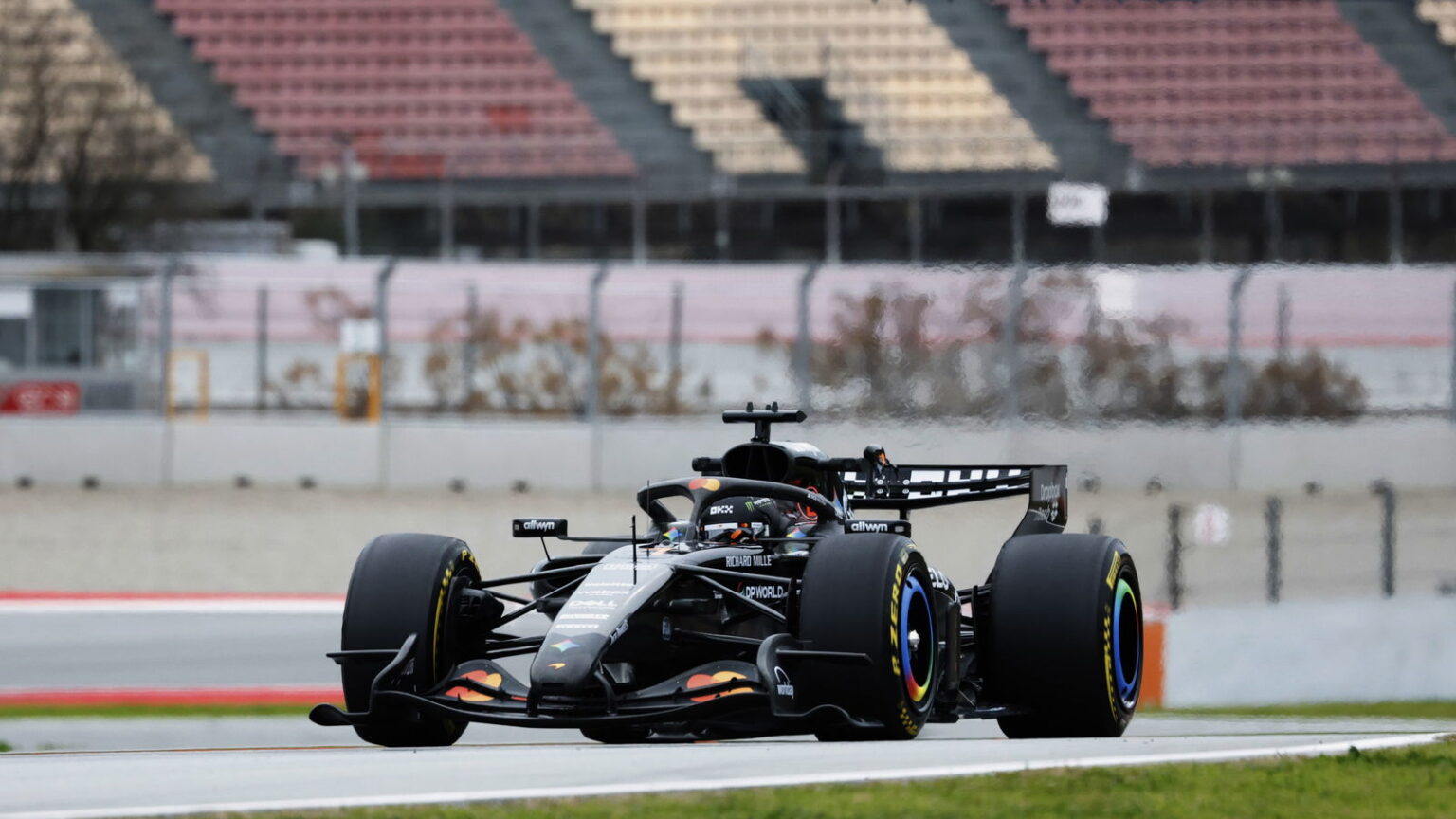
Lando Norris, the current Formula 1 world champion, thinks that the 2026 cars will make it “more complicated” to figure out how to prepare effectively for overtaking maneuvers. The upcoming major rule changes for the 2026 F1 season are designed to enhance the excitement on track following earlier ground effect cars, which made overtaking more difficult.
These new cars will generate less downforce but will feature active aerodynamics along with increased battery power, all intended to boost overtaking opportunities. Nonetheless, Norris from McLaren feels that setting up cars for overtaking will become “more complex” due to the introduction of new systems, especially those related to energy management, and he anticipates some “chaos” during races.
“At the moment, there’s a bigger focus on how the driver manages and controls all these new elements,” Norris said at a McLaren media event reported by crash.net. “Learning how to prepare for overtakes—whether in qualifying or the race—will be more difficult to grasp. Previously, it was straightforward: drive as fast as possible while avoiding dirty air and charge the battery efficiently. Now, saving battery power could mean losing significant time on straights.”
He added, “Understanding these intricacies requires a lot of engineering and calculations, but ultimately the driver has to put all this knowledge into practice quickly during the race. We’ll likely see more confusion as drivers figure out how to handle different scenarios, which will continue evolving throughout the season. There will be more emphasis on how drivers cope with these complexities.”
The regulations also aim to make it easier for cars to follow each other closely to promote overtaking, but Oscar Piastri remains skeptical that there will be major changes. “I don’t think we fully understand how the new cars will behave when following others,” Piastri remarked. “During testing, it’s hard to gauge because of varying fuel loads and tire choices. Those expecting drastic improvement might be fooling themselves.”
He continued, “Single-seaters like F4, F3, and F2 are all tough to follow, and F1 cars are becoming harder due to increased downforce. While we are heading in the right direction, time will tell, and the issue of dirty air remains.”
Fan Take: This insight from Norris and Piastri highlights the growing complexity in F1’s future, where technical proficiency and strategic energy use will be just as crucial as driving skill. Fans can look forward to a season full of evolving tactics and unpredictability, which could bring fresh drama and excitement to the sport.