The 2026 NBA trade deadline has come and gone, with Giannis Antetokounmpo remaining a Milwaukee Buck, yet several other notable players have moved — often to unexpected teams. Typically, big trades involve contenders making aggressive moves to win immediately, but the destinations of the last five traded All-Stars suggest otherwise.
Ivica Zubac arguably made the biggest impact at the deadline, helping the Pacers defeat the Clippers in key moments. While most trades made now may not influence the 2026 championship chase directly, their long-term effects will be significant. Let’s review some clear winners and losers from the recent trade period.
Winner: Pacers or Clippers (depending on the draft lottery outcome)
Both teams could be deemed winners. The Clippers swapped aging stars for younger, promising talent and future draft picks. Meanwhile, the Pacers have improved Myles Turner, brought in Zubac, and appear ready to compete for a title soon. The real value hinges on a protected 2026 first-round pick Indiana owes the Clippers. If this pick lands between 5th and 9th, the Clippers get it; otherwise, Indiana keeps it, and a 2031 pick will transfer instead. Currently, Indiana holds a 52.1% chance of retaining the pick, making for a pivotal lottery outcome that could shape the futures of both franchises profoundly.
Loser: Wizards
The Wizards aimed to improve once they were free from a top-eight pick obligation to the Knicks, and acquiring Trae Young seemed a step in that direction. Young’s leadership and shot creation should have boosted the team without much risk due to his short contract. However, Washington then added Anthony Davis, a 33-year-old star with two years of a massive supermax deal but a long injury history, saddling the team with salary and durability concerns. This move risks stalling development for younger players and could price the Wizards into mediocrity, relying on aging stars whose best years may have passed.
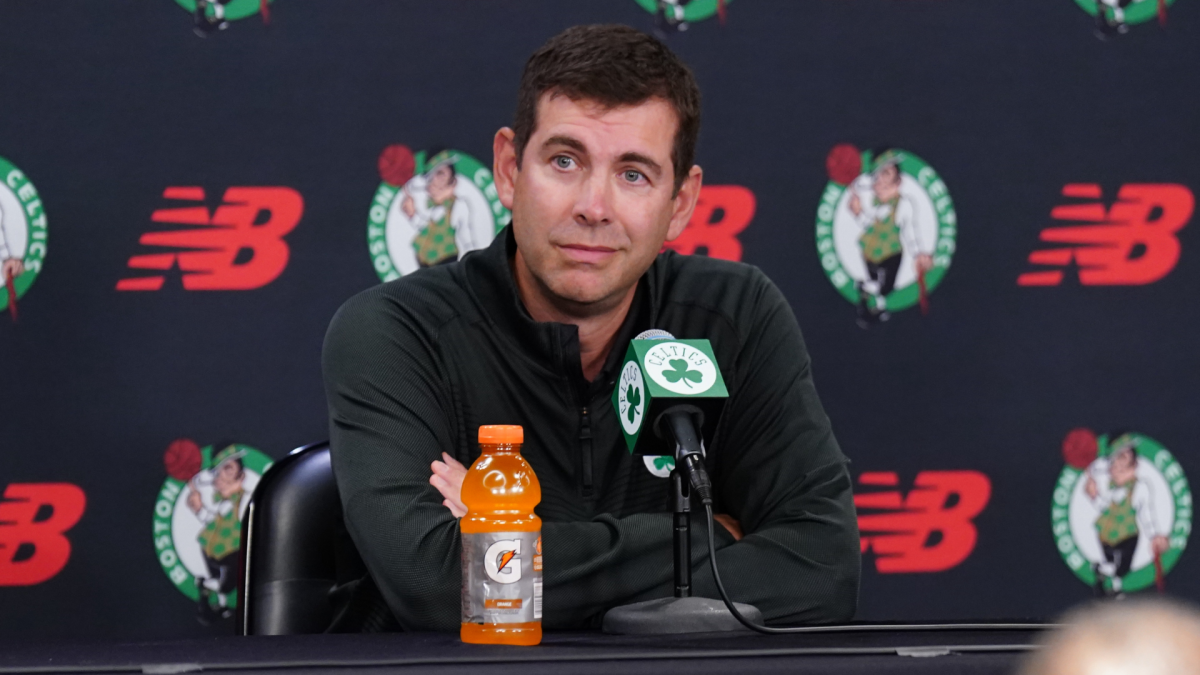
Winner: Celtics
Since June, the Celtics have drastically reduced their payroll from nearly $500 million to levels below the luxury tax threshold, saving an estimated $325 million this season alone while retaining their competitive Eastern Conference second seed. This financial maneuvering resets the repeater tax clock, allowing the team to maintain flexibility through 2030 when key young talents are due for extensions. Adding Nikola Vucevic, an efficient shooting center, rounds out the roster, bolstering both present performance and future stability.
Loser: Kings
The Kings failed to gain crucial draft capital or shed burdensome contracts in the deadlock over Domantas Sabonis and setbacks in moving Zach LaVine and DeMar DeRozan. Instead, they traded away young asset Keon Ellis and moved Dennis Schröder soon after signing him, ultimately acquiring DeAndre Hunter, whose recent struggles make him a questionable fit. This all but guarantees Sacramento will be deep in luxury tax troubles, forcing tough roster decisions and risking long-term competitiveness — a puzzling and disappointing offseason outcome.
Winner: Timberwolves
Minnesota lost key reserve Nickeil Alexander-Walker but smartly replaced him with Ayo Dosunmu, a player with similar skills and late-career shooting improvement. Clever cap management allowed them to trade Mike Conley while keeping him under unusual NBA rules, maintaining veteran leadership and bolstering depth. Offloading former first-round pick Rob Dillingham freed up roster space and value, positioning the Timberwolves for a stronger playoff run.
Loser: Heat
The Heat continue to hover in limbo, heading back to the play-in tournament for a fourth straight season after missing out on stars like Damian Lillard, Kevin Durant, and Giannis. Their offense, revamped under Noah LaRoche, started strong but fell flat, and internal turmoil following Jimmy Butler’s departure hasn’t helped. Without a big move at the deadline and young players inconsistent, the Heat face tough questions about when or if their current competitive window will yield a return to true contender status.
Fan Take:
These trade deadline moves highlight how NBA teams are balancing immediate ambitions with long-term planning, often with surprising destinations for stars and complex draft-pick conditions. For basketball fans, this period signals pivotal shifts that could redefine franchise trajectories and reshape the competitive landscape for years to come.