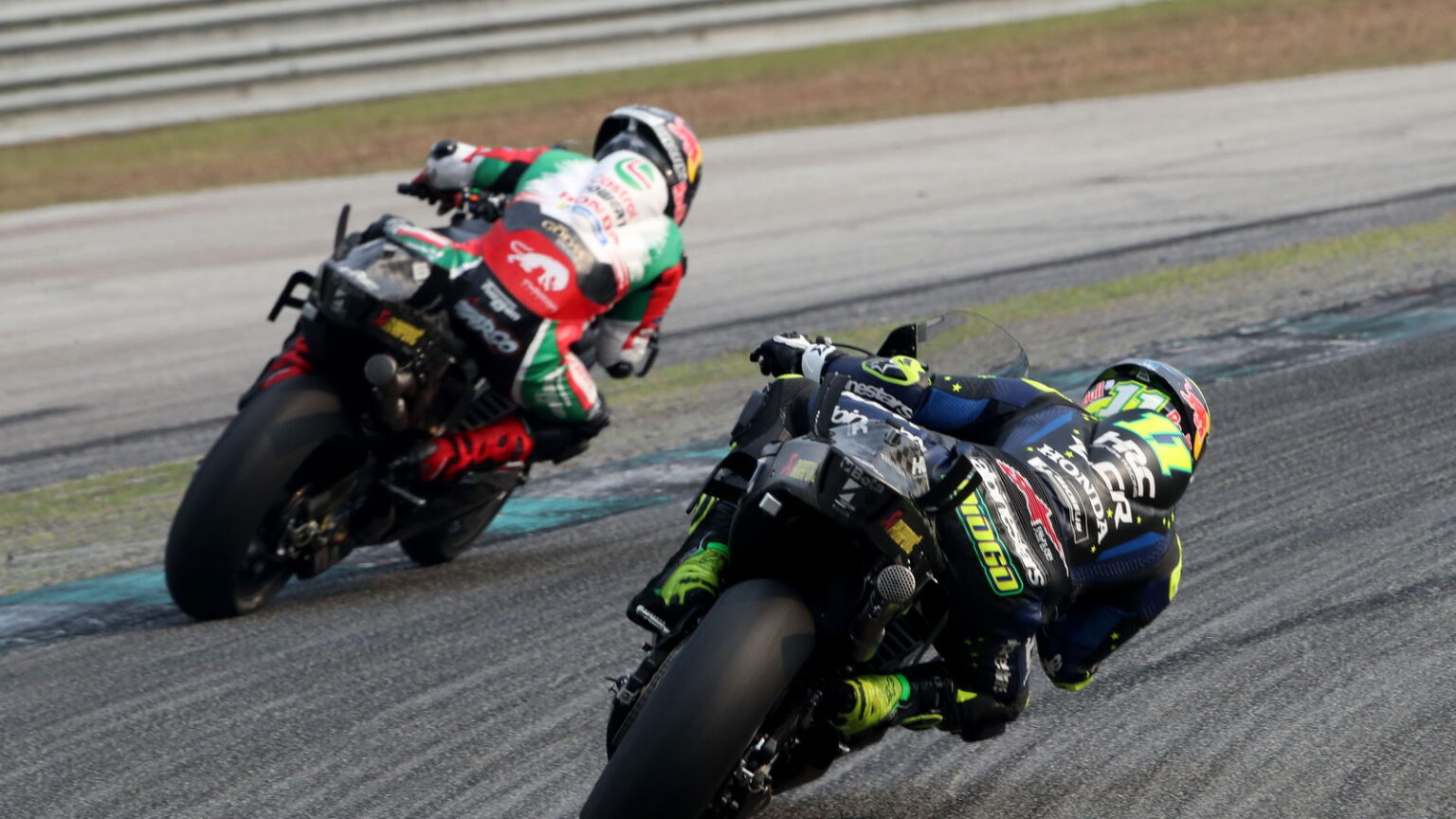
The 2026 MotoGP pre-season has officially kicked off with three days of testing at the Sepang International Circuit this week. Since 2026 marks the final year of the 1000cc engine regulations, there is a lot of anticipation surrounding what each team’s machines will look like as the last models conforming to these rules.
Ducati was dominant throughout the 2025 season, clinching victory in 17 Grands Prix, with Marc Marquez playing a key role in 11 of those wins. However, Ducati faced increasing pressure from Aprilia, particularly in the latter half of the season. As pre-season testing commenced, Ducati seemed to have edged ahead again, showcasing an improved GP26.
Alex Marquez topped the testing with the new GP26, while Gresini riders Pecco Bagnaia and Marc Marquez also showed encouraging pace during race simulations on the updated bike. Riders generally reported that the new machine offers a more predictable front end and a broader effective performance range compared to the GP25.
Aprilia continues to hold strong, though some development remains necessary, and KTM is showing positive signs with a more aggressive upgrade plan for its RC16. Both Pedro Acosta and Maverick Viñales gave hopeful feedback after testing. Honda appears to be making progress as well but still faces a significant challenge in matching Ducati’s performance.
Yamaha, meanwhile, had a difficult testing period. Issues with their new V4 engine caused them to miss the second day, and Fabio Quartararo suffered a finger injury on day one. Unfortunately, the new M1 bike didn’t demonstrate a substantial improvement over last year’s model.
In the latest episode of the Crash MotoGP Podcast, host Dre Harrison, alongside senior journalist Lewis Duncan and editor Peter McLaren, break down each manufacturer’s performances at Sepang. They also explore the intense rider transfer market drama leading up to the tests, discussing possible moves involving Fabio Quartararo, Jorge Martin, Pedro Acosta, Pecco Bagnaia, and Alex Marquez.
Fan Take:
This pre-season testing phase is crucial because it sets the tone for the final year of the current regulations, where refinement and strategy will be key. For racing fans, Ducati’s early dominance and Yamaha’s struggles make the championship battle even more intriguing, promising intense rivalries and surprises in the 2026 season.