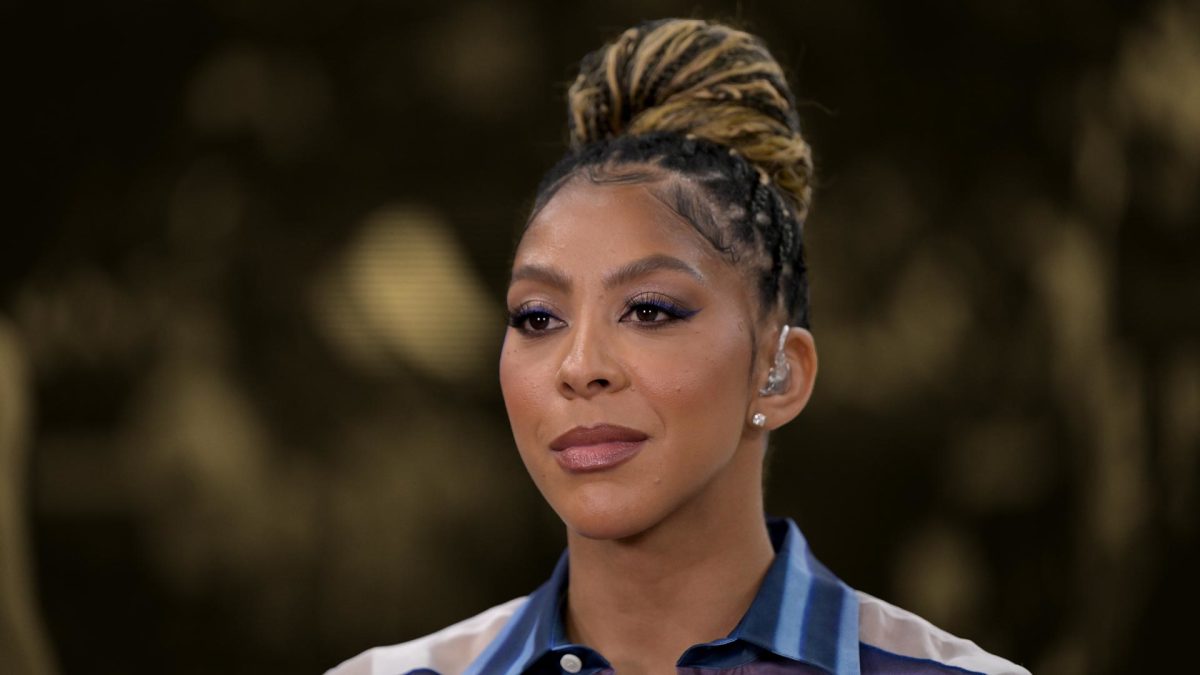
The WNBA is seeing steady growth in attendance, TV ratings, and corporate sponsorships, alongside important economic improvements for players. These enhancements include higher salaries, charter flights, better accommodations, and a league-wide push to boost the players’ brand presence. Top athletes in the league are now marketed globally, and newcomers often arrive with established reputations from other sports, highlighting how far the league has come in recent years.
Back in the 2000s, even the most accomplished players faced financial challenges, with some choosing to play overseas to make a livable income. Candace Parker, one of the league’s greatest stars, even struggled financially during her early years. On the “Post Moves” podcast, Parker shared how undervalued she felt during her rookie season despite being a high-profile player.
Selected first overall by the Los Angeles Sparks in 2008, Parker was already a national sensation at the University of Tennessee. Like contemporary first picks Kaitlyn Clark and Paige Bueckers, she might have expected a substantial salary, especially playing in a major market like Los Angeles. However, she signed a rookie contract for $44,000—a stark contrast to NBA rookies, where even a late first-round pick earned nearly $800,000 in 2008. Factoring in taxes such as FICA deductions also took a big bite out of her paycheck, something Parker recalls being surprised by initially.
Parker’s finances took a further hit when she was suspended and fined following a notorious on-court brawl against the Detroit Shock at the Palace of Auburn Hills. Although the exact fine amount wasn’t disclosed, Parker hinted that the penalty and suspension were financially painful. She recounted that when she received her paycheck after the suspension, it was just $12.34.
Despite these challenges, Parker’s career flourished, earning multiple MVP awards and three championships before retiring in 2024 as one of the highest earners in WNBA history, reportedly making over $1 million in her last eight seasons.
While progress has been made—the minimum salary now stands at $66,000 and the top contract near $250,000—players still fight for fairer compensation. The league’s revenue surged by more than 200% from 2022 to 2024, buoyed by stars like Clark, A’ja Wilson, and Kelsey Plum, yet salaries have not kept pace with this growth. Negotiations for a new collective bargaining agreement are ongoing but have hit rough patches, increasing the risk of a lockout.
Though the WNBA has expanded significantly since Parker’s early days, the struggle for pay that genuinely honors the players’ talent and dedication continues. The story highlights both the league’s progress and the work still needed to ensure athletes receive equitable financial recognition.
Fan Take: This story is a powerful reminder of the hurdles WNBA players have overcome and why ongoing support and fair pay are crucial for the league’s future. For fans, it underscores the importance of advocating for a league that respects and values its players, which will help elevate the sport to new heights.