
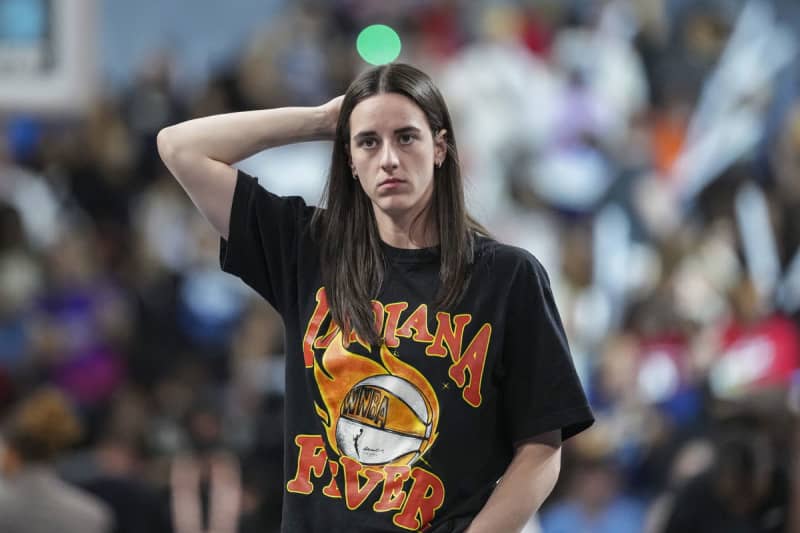
Negotiations over the Collective Bargaining Agreement (CBA) between the WNBA and the players’ union, the WNBPA, have clearly highlighted the players’ demands for higher salaries as the league expands. Players argue that with the league’s growth, their pay should correspondingly rise, pointing to their crucial role in driving this progress. Caitlin Clark exemplifies this impact — her arrival has significantly boosted excitement around the WNBA.
New York Liberty owner Joe Tsai acknowledged Clark’s influence, noting on the podcast All About Podcasts that various metrics such as viewership, ticket sales, and sponsorships surged nearly fourfold during her rookie season. Although Tsai made these comments in October 2025, they have recently resurfaced amid fresh contract talks.
Following the WNBPA’s December request for 30% of gross league revenue, the WNBA submitted a counteroffer proposing that players receive just over 70% of net revenue after deducting operating costs like charter flights, travel, security, and equipment upgrades. Previously, the league offered a maximum base salary of $1 million for 2026, with potential earnings up to $1.3 million through revenue sharing — a marked increase from the current $249,000 salary cap.
Despite these seemingly significant improvements, the crux of the disagreement isn’t in headline figures but in how revenue and costs are calculated and shared. This unresolved issue has stalled negotiations for more than a year. The union has yet to respond to the latest proposal, and with the WNBA already announcing its 2026 schedule starting May 8, attention remains fixed on both sides until a deal is finalized. Continued delays could lead to a postponement of the upcoming season.
Amid this uncertainty, WNBPA President Nneka Ogwumike has emphasized that while a strike remains a possibility, players are eager to compete this year. “I know our players want to play 100 percent this year,” she told the Associated Press. “We want a season.” Ogwumike underscored that negotiations are ongoing and that striking is not a decision they take lightly.
For now, discussions continue, but until the parties bridge their divide, fans are left hoping that what could be one of the WNBA’s most exciting seasons isn’t marred by ongoing uncertainty.
Fan Take: This negotiation matters deeply to WNBA fans because the financial recognition of players’ contributions directly impacts the league’s ability to retain stars and grow the sport. A fair and timely agreement could usher in a new era of WNBA excitement and sustainability, while delays threaten to stall the momentum that players like Caitlin Clark have helped build.