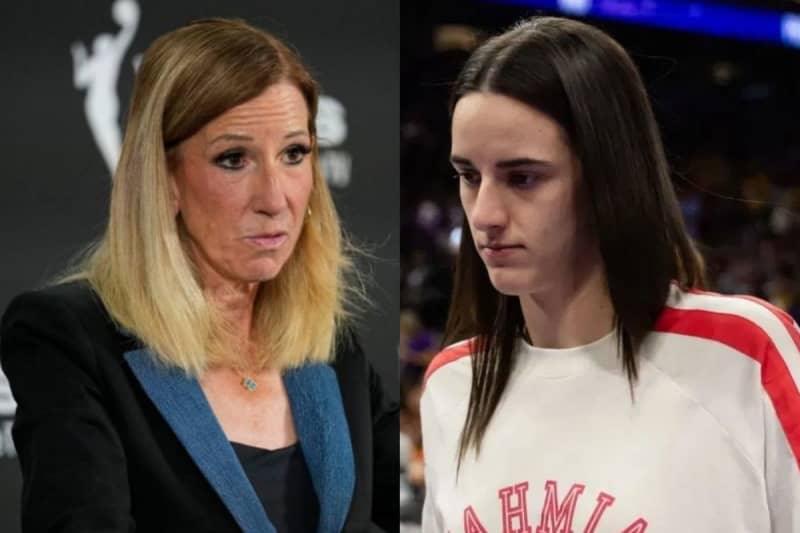
Cathy Engelbert, the WNBA commissioner, has faced significant criticism recently, especially after Nafeesa Collier harshly criticized her in an exit interview, sparking calls for Engelbert’s resignation. According to Sports Business Journal, Engelbert might step down following current negotiations. When Engelbert was appointed in 2019, she was hailed as a game-changer. Yet, the explosive popularity of Caitlin Clark seems to coincide with Engelbert’s declining reputation. Annie Costabile of Front Office Sports offers a straightforward explanation.
Costabile explained on Rachel Demita’s Courtside Club that while Caitlin Clark’s arrival brought tremendous business potential, the league and its leadership were not fully prepared to manage it. Engelbert, with 33 years at Deloitte and experience as its U.S. CEO, certainly has expertise. WNBA officials like Bethany Donafin, a former player and Deloitte consultant, and Phil Cook, who spent two decades at Nike, also bring strong backgrounds. However, some of their recent decisions post-Clark’s rise reflect Costabile’s concerns.
In 2024, demand for the WNBA surged dramatically, yet the league’s infrastructure struggled to keep pace. There were frequent power outages and technical glitches, limited broadcast availability, and a rushed introduction of charter flights to improve player comfort. The Fever had to move to a larger venue to accommodate Clark’s growing fanbase. While the league sold a 16% stake to investors in 2022 for $75 million, its current valuation appears vastly underestimated.
Caitlin Clark’s unprecedented impact is clear: over two years, league average attendance increased from under 6,500 to nearly 9,807 in 2024. The WNBA became the fastest-growing sports brand, with viewership soaring by millions. Many compare Clark’s influence to that of Michael Jordan on basketball, although Clark was already a star at Iowa State before joining the league.
Costabile also pointed out the sensitivity around Clark’s debut because many hadn’t envisioned such a bright future for the WNBA. However, many women built the league’s foundation with limited support in its early days. This history is essential, as the current league’s success wouldn’t be possible without pioneers like Breanna Stewart and Napheesa Collier, who chose to stay despite more lucrative overseas options. The league’s lack of preparedness failed both Clark’s class and those who came before her.
With bargaining stalled, the pressure is mounting for a new Collective Bargaining Agreement (CBA). The players, led by stars like Breanna Stewart, remain firm on demands for better revenue sharing and working conditions. Clark appears to be subtly pushing for resolution through social media, hinting at a desire to avoid a lockout in 2026. At Team USA camp, she emphasized the importance of both fighting for fair terms and playing the game that fans love.
Fan Take: This story highlights a pivotal moment for the WNBA as the league grapples with rapid growth and the urgent need for solid infrastructure and fair player agreements. How this unfolds will shape the future of women’s basketball, making it crucial for fans who want to see the sport thrive without disruption.