

There’s a saying that in sports, being lucky often trumps being skilled—and perhaps that applies to life too. But how does this hold up in boxing?
In today’s world dominated by social media, viral moments, and quick headlines, fame can be as crucial as talent. Sometimes, simply being talked about is more than half the battle.
As Viet Thanh Nguyen observed in his novel The Sympathizer, “While it is better to be loved than hated, it is also far better to be hated than ignored.”
Both Ryan Garcia and Conor Benn seem to embody this idea perfectly. These two rivals are set to face off this Saturday at Las Vegas’ T-Mobile Arena for the WBC welterweight title, and neither has shied away from stirring controversy to ensure they’re never overlooked.
Boxing has always had an affinity for villains—heroes need their counterparts. Neither Garcia nor Benn arrives in Sin City with a spotless record, nor do they seem to care.
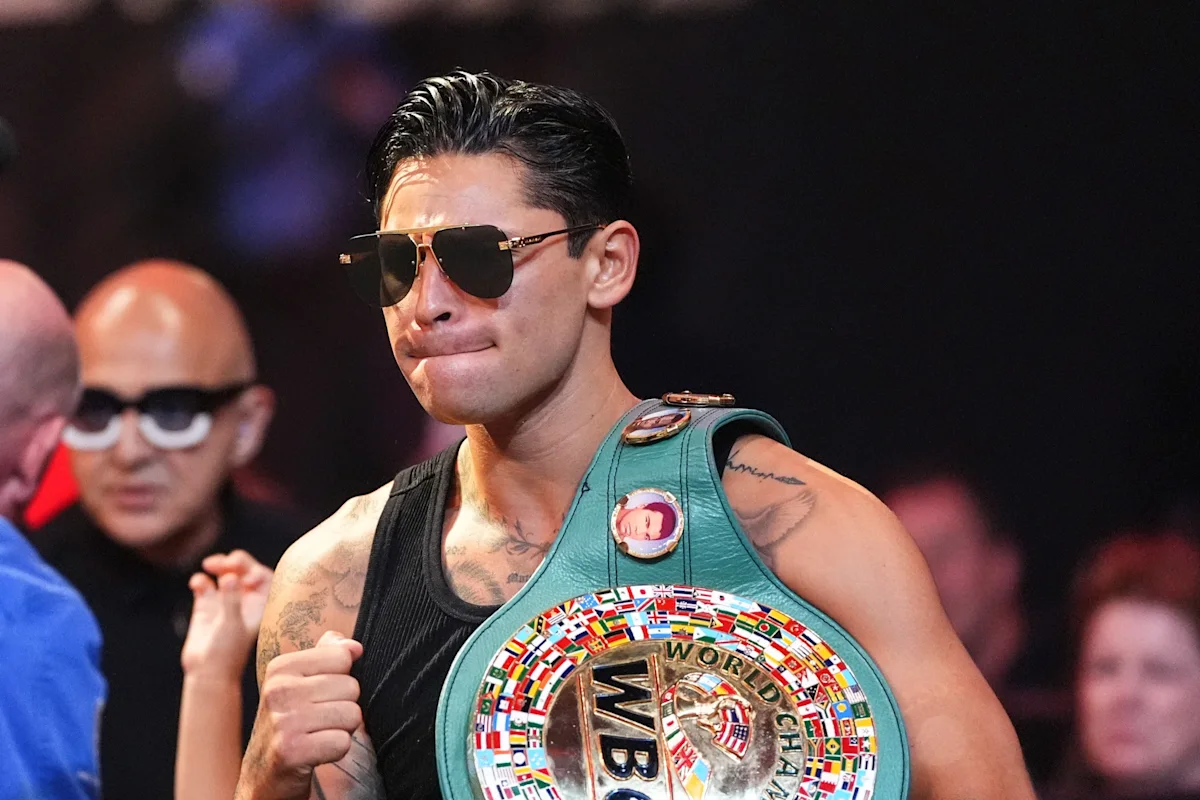
Garcia, the reigning WBC 147-pound champion, has built his career amidst chaos—missing weight, explosive social media outbursts, and controversies that would have derailed less marketable fighters. Despite these scandals, including a 2024 WBC ban for using discriminatory slurs during live streams, the 28-year-old boxer remains favored by influential figures in the sport. Notably, he was granted a shot at the welterweight title even after a disappointing loss to Rolly Romero.
Benn, 29, still lives under the shadow of his famous father and greatest British boxer, Nigel Benn. His career highlights mainly include back-to-back battles with family rival Chris Eubank Jr., with a few strong wins in 2021. However, his momentum stalled due to failed drug tests — an issue both fighters share. Despite this, both Garcia and Benn headline a major pay-per-view event during Mexican Independence Day weekend, embarking on perhaps the most lucrative nights of their careers.
This isn’t by chance but by design: a “villain economy” that encourages fighters like them to thrive.
Garcia tested positive for ostarine before and after a 2024 victory over Devin Haney but blamed supplement contamination. Benn’s doping saga, involving elevated clomifene levels before a postponed 2022 fight, dragged through prolonged appeals. Both fighters were ultimately cleared to compete, though not without controversy.
Instead of showing remorse, Garcia once posted (and later deleted) a social media message professing his fondness for steroids. Benn’s case involved conflicting rulings between British and anti-doping authorities, and he continues to deny wrongdoing without fully confronting the issue. Earlier this year, Benn parted ways with Matchroom Boxing and Eddie Hearn, aligning himself with Dana White’s Zuffa Boxing, completing his transformation into boxing’s antagonistic figure.
In most sports, such misconduct ends careers and tarnishes reputations, but in boxing, it often becomes a part of the fighter’s promotional appeal. The only unforgivable offense seems to be dullness.
Both men possess fiery personalities, sharp tongues, and aggressive fighting styles that deliver exciting matches, which they cultivate deliberately. Garcia has amassed considerable wealth, largely through his massive social media presence, ranking just behind Jake Paul, Canelo Alvarez, and Anthony Joshua in Instagram followers. This draws a unique, non-traditional audience to his fights.
Meanwhile, Benn mirrors his father’s charisma and has crafted his public persona with authenticity. Speaking to Logan Paul on the “Impaulsive” podcast, Benn admitted he prefers watching characters over technical boxing skills, valuing entertainment over pure sport.
Boxing economics appear to have shifted toward controversy and drama. Gone are the days where well-mannered champions ruled; now the sport rewards those who provoke, entertain, and polarize.
Garcia has perfected this blend of talent and spectacle, making it impossible to separate the two. Benn embraces his role as Britain’s most debated boxer, where the buzz surrounding him sometimes outshines his actual achievements.
Together, they represent a rare “heel vs. heel” matchup that most boxing audiences distrust for different reasons. Yet, the fight is selling because—even if fans doubt the authenticity—most are still buying into the story. Until boxing confronts this uncomfortable reality about its own image, this trend won’t change.
Fan Take: This clash between two controversial yet captivating fighters symbolizes modern boxing’s embrace of drama over purity, which keeps the sport in the spotlight but risks eroding its integrity. For fight fans, it promises an electrifying showdown but also highlights the urgent need for boxing to reconcile entertainment with accountability.
Source: sports.yahoo.com