

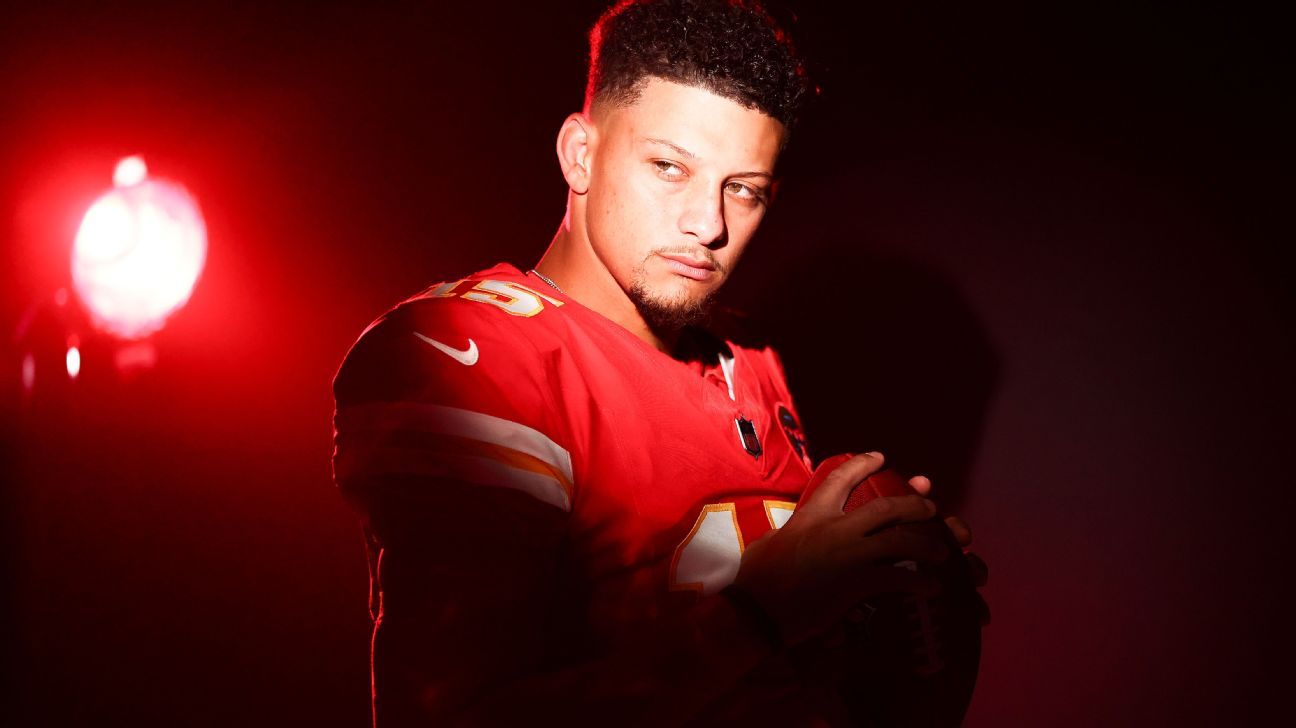
KANSAS CITY, Mo. — When Patrick Mahomes sat beside an MRI machine on Dec. 14, the scan confirmed the worst injury of his nine-year career: tears to the ACL and LCL in his left knee. Within minutes, Chiefs staff and family gathered inside the team’s nearby training facility — head trainer Rick Burkholder; agent Chris Cabott; wife Brittany; coach Andy Reid; GM Brett Veach; and owner Clark Hunt — and began weighing options.
A quick look at the calendar showed Sept. 13, the first Sunday of the 2026 NFL season, was 273 days away. Dr. Dan Cooper, the Cowboys’ renowned team physician who treats major knee and shoulder injuries, was consulted and offered Mahomes a choice: to have surgery the next morning in Dallas to maximize his chance of returning by that opening day. Mahomes’ response was simple and decisive: he’d do whatever it took.
Mahomes has repeated that resolve throughout a painstaking recovery that officially began 274 days ago beside the MRI. Now 30, he’s expected to be available and start for the Chiefs when they face the Denver Broncos Monday night (8:15 p.m. ET, ABC/ESPN). Veach praised Mahomes’ leadership and sacrifice, saying his rehab work has set an example across the organization.
The injury happened late in a Week 15 loss to the Los Angeles Chargers that ultimately knocked Kansas City out of playoff contention for the first time since 2014. After trying to escape pressure and throwing the ball away, Mahomes planted his left foot; it stuck in the turf, hyperextended outward and tore the LCL along with the ACL. He left the field in visible agony.
Cooper’s experience repairing the LCL and ACL soon after injury — including LCL reattachment — helped steer the Chiefs toward an expedited surgical plan. Aaron Borgmann, a former Chiefs physical therapist now running Borgmann Rehab Solutions, pointed out that many players wait days or weeks because of swelling. By moving quickly, Mahomes avoided that delay, and Burkholder noted there was no damage to arteries, nerves, joint surfaces or menisci, which improved his prospects.
Even before surgery, Mahomes publicly vowed to come back stronger. Julie Frymyer, a top assistant athletic trainer who’s worked closely with him through several previous injuries, was at his side from Day 1. Less than 24 hours post-op, Frymyer was assessing his muscles and working to control swelling. She and Mahomes have a long history — she helped nurse him through a 2019 dislocated kneecap that cost him only two games, a painful turf toe during a postseason run, and an ankle high sprain in the 2022 playoffs when she provided near-constant treatment. Mahomes credits much of his rapid recoveries to her guidance and to his own willingness to tolerate pain and push through rehab.
The early weeks were the hardest: he couldn’t walk, his sleep was disrupted, and he spent a difficult Christmas watching the Chiefs play from a suite while on crutches. Beginning in January, Mahomes spent much of his day at the team facility, often seven hours alongside Frymyer. She tracked specific two-week checkpoints for strength and mobility and sent updates to Cooper. To preserve consistency, Frymyer traveled with Mahomes through the offseason.
Rehab demanded patience and incremental progress. Borgmann emphasized that recovery isn’t glamorous — it’s steady, sometimes tedious gains — and praised Mahomes’ discipline in showing up for the small daily improvements. Support and competition with other injured players, like tight end Zach Ertz (who tore his ACL and LCL a week earlier), helped keep him motivated.
A milestone came on March 25 — 100 days after surgery — at a Dallas training complex. After a long rehab session with Frymyer and longtime trainer Bobby Stroupe (who’s worked with Mahomes since fourth grade), Mahomes casually played catch with some baseball players, then demonstrated a modest five-step dropback and an accurate intermediate throw in a short video that he later posted online, signaling real progress.
Stroupe’s role was to prevent other parts of Mahomes’ body from being neglected while the knee healed. He focused on upper-body mobility, shoulder girdle stability and a six-stage core program to avoid compensatory problems in the hips, lower back or ankles. Mahomes set short-term goals — including getting cleared for the Chiefs’ voluntary OTAs — and checked them off. He performed full 7-on-7 reps and dropbacks in late May OTAs, only being held out of 11-on-11 work as a precaution.
In late July, Cooper ran Mahomes through a battery of running, jumping and cutting tests; Mahomes pushed hard to exceed expectations and was cleared for full football activity. He reported to training camp July 24, saying he felt “stronger than I’ve ever felt.” Throughout camp he participated fully, including intense stretches of padded practices, and never showed a limp or obvious discomfort. Coaches and teammates noticed his mobility return; on July 30 he executed a sharp jump cut on a speed-option play and celebrated exuberantly afterward.
By Aug. 8 he said he no longer had to think about the left knee during play. Mahomes completed full reps under center, threw play-action passes and scrambled in practice despite defenders being prohibited from contacting him. The Chiefs, cautious about a setback, kept him out of the preseason games for the first time in his career, though he remained a vocal, active presence on the sideline.
One of the final validation moments came Sept. 4, in a grueling speed and power workout at his home with Stroupe in high heat. After 264 days of rigorous rehab, Mahomes reached speed and core-velocity numbers near or at personal bests — objective proof, his camp staff said, that the offseason program worked. He had promised in May that when he returned to the field he would simply be himself; clearing the checkpoints has put him in position to do just that.
Mahomes’ aims this season go beyond merely returning: he wants to be a better quarterback than before the injury, anticipating quicker releases, sharper pocket navigation and more consistent deep-ball production. The Chiefs also expect to ease some of the offensive load with additions like running back Kenneth Walker III. Still, Mahomes knows the next hurdles are visceral: his first hit, first sack and first open-field tackle after returning — and standing up to prove the rehab was complete.
Fan take: This matters because Patrick Mahomes is the face of the NFL — his health directly affects the Chiefs’ title hopes and the league’s competitive balance. If he truly returns at or above his previous level, it reinforces advances in sports medicine and rehabilitation while raising the bar for how teams manage and expedite elite-player recoveries.
Source: www.espn.com