
Editor’s note: This article was initially published on July 20, 2026.
The conclusion was disappointing, irrespective of the language used to express it.
Argentina faced a 1-0 defeat against Spain in the World Cup final, and the score did not accurately represent their lack of performance. The defending champions failed to register a single shot on goal in 120 minutes. What followed was more of a brawl than a match: Enzo Fernández was dismissed in stoppage time, Leandro Paredes was shown a red card for grabbing Eric García’s throat, Nahuel Molina attempted to strike Rodri, and the entire team turned away as Spain celebrated their victory.
The only player who left the pitch with any semblance of dignity was Lionel Messi, who shook every Spanish player’s hand with tears in his eyes.
This situation leads us to a conversation many in Buenos Aires would prefer to avoid. With Messi’s 40th birthday approaching, he managed eight goals and four assists at 39 years old, almost single-handedly leading the team to the final, yet it wasn’t sufficient.
He is not immortal, despite his efforts to appear that way. It is time to envision an Argentina without him, as that future is inevitable, regardless of readiness.
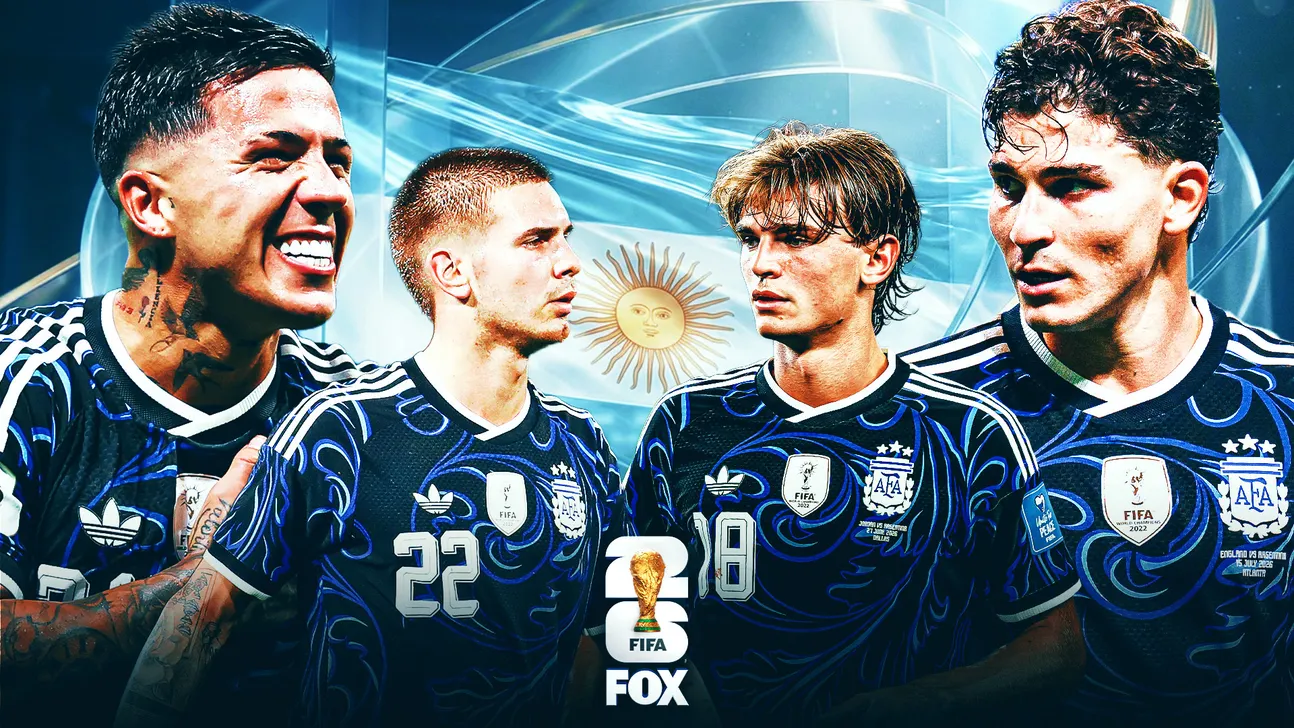
Beginning with the forward line, the transition should start with Julián Álvarez, the clear successor. His stunning goal against Switzerland was the highlight of Argentina’s tournament that wasn’t scored by a 39-year-old. With Barcelona currently pursuing him, his profile is likely to soar. By the time the 2030 World Cup rolls around, he will be 30 and in his prime, with Lautaro Martínez providing valuable support.
The more pressing issue is who will create goal-scoring opportunities for Argentina. This World Cup highlighted the team’s lack of creativity whenever Messi was absent, and the solution may have been overlooked on the bench.
Nico Paz, who was given only one start against Jordan, appeared to be the only player other than the captain who could envision plays before they materialized. His exceptional left foot needs full matches starting in September, not brief appearances. Lionel Scaloni protected the older players during this cycle, but the next team needs to center around the young talent from the island of Tenerife, the son of former Argentine international Pablo Paz.
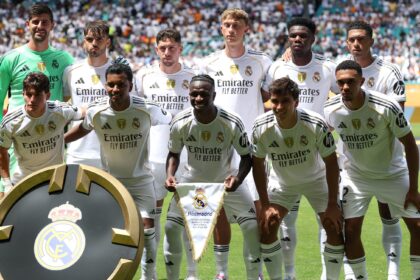
There’s also the omission of Franco Mastantuono, the Real Madrid teenager, who was controversially left out of the squad, reportedly due to positioning issues relative to Messi. However, those spaces will soon be vacant.
By the time the 2030 World Cup starts, with several full seasons at the Bernabéu (or elsewhere), he will be 22 and eager to prove himself to those who deemed him unnecessary. Players often enter with a chip on their shoulder; that may serve him well.
Players like Facundo Buonanotte, with a connection to Rosario’s rich football heritage, could also start emerging alongside stronger club performances. Argentina’s main issue in the final wasn’t lack of effort but rather creativity; they struggled with technical execution.
The defense must also undergo scrutiny. Marcos Senesi only made it into the tournament as a replacement for Leonardo Balerdi, an injustice for a defender who adeptly plays under pressure and recently moved to Tottenham. The partnership of Nicolás Otamendi and Cristian Romero may only last for one more cycle at best; it’s time for Senesi to take the field.
Similarly, Valentín Barco, who made the squad but barely played, exemplifies the youthful, progressive fullback Argentina lacked when Spain dominated them.
The hard truth exposed by Sunday’s match is that Argentina didn’t just lose a final; they appeared outdated and reacted immaturely. The aftermath demonstrated a team aware that their golden era is concluding, yet lacking a plan for the future.
Fortunately, the elements for a new strategy are present.
With talents like Álvarez, Paz, Mastantuono, Senesi, Barco, and even Claudio Echeverri (currently in the Manchester City system and on loan to Girona), the future is bright. What is needed, however, is the willingness to initiate the transition before Messi’s departure makes it necessary.
The king remains in power, but it’s high time that plans begin for his successor.
Fan Take: This outcome underscores a pivotal moment for soccer fans as they recognize the need for a new generation of players to rise and support the national team. As Argentina braces for life beyond Messi, the future of the sport hinges on developing new talent to maintain competitive success on the global stage.
Source: www.foxsports.com