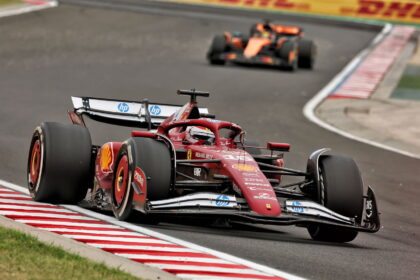

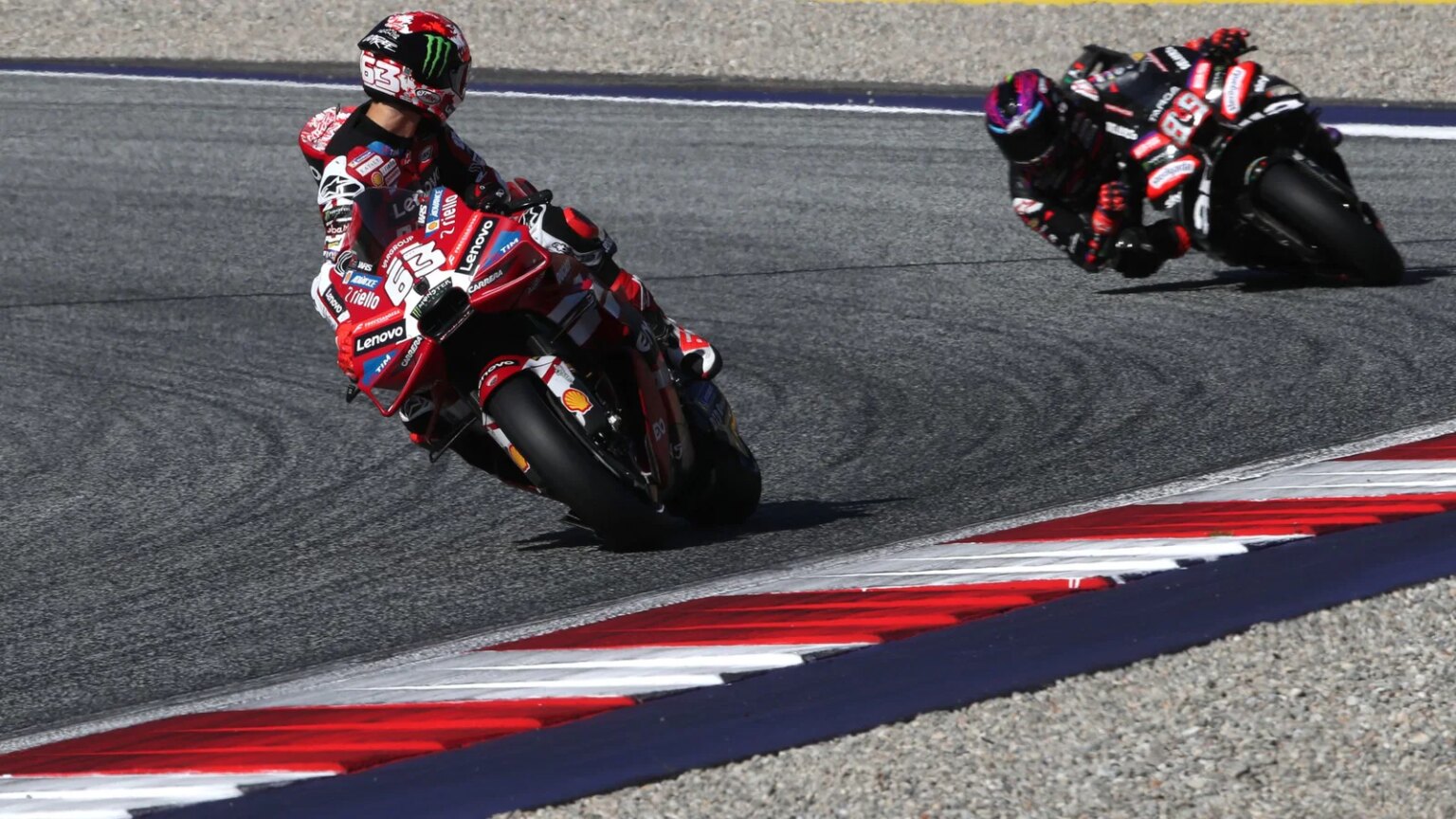
MotoGP is considering implementing separate qualifying sessions specifically for its sprint races starting in 2027, a change that would mirror Formula 1’s approach. As reported by Motorsport, MotoGP has proposed this new qualifying format to manufacturers and teams, aiming to establish distinct grids for sprint events.
Since introducing sprint races in 2023, MotoGP has done things differently from F1 by holding sprints at every race weekend instead of only select events. While F1 plans to increase its sprint races to 10 events in 2027, this number remains well below MotoGP’s current total of sprints per season.
Currently, a typical MotoGP race weekend looks like this:
Friday
- FP1: 45 minutes
- Practice: 60 minutes, determining the top 10 riders who advance straight to Q2
Saturday
- FP2: 30 minutes
- Q1: 15 minutes (top two move on to Q2, settling grid positions 13 and beyond)
- Q2: 15 minutes (sets the top 12 grid spots)
- Sprint race: about half the distance of the main event
Sunday
- Warm-up: 10 minutes
- Full-length Grand Prix race
Currently, qualifying sessions determine the starting grid for both the sprint and main races. The proposed change would create a separate qualifying session solely for sprint races, differentiating it from the Grand Prix qualifying. However, the exact details of these adjustments haven’t been finalized and could add pressure to already demanding weekends filled with multiple track activities, sponsor obligations, and media appearances.
For this new sprint qualifying format to be adopted, it must be approved by the Grand Prix Commission, so its implementation isn’t guaranteed. There have been similar instances this year where proposals, such as a one-bike rule, were introduced but eventually abandoned. Moreover, it’s unclear how much input riders have had on this development, recalling how in 2022 they learned about sprint races through media announcements during the Austrian GP.
Fan Take:
This potential shift is significant because it could reshape how riders and teams strategize throughout the weekend, introducing more excitement and unpredictability to sprint races. However, it also risks increasing the workload and complexity of race weekends, which may challenge riders’ endurance and focus in an already intense series.
Source: www.crash.net