

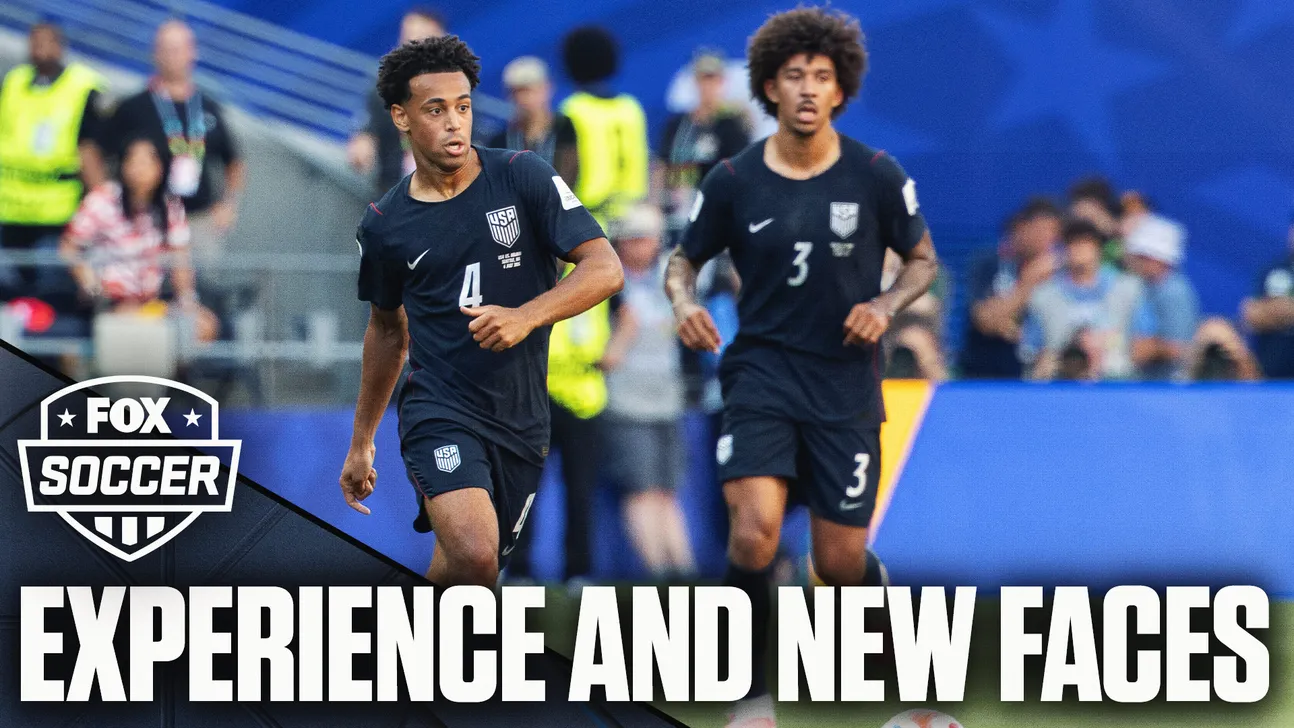
Perhaps the U.S. men’s soccer team’s touted “Golden Generation” was never truly given a fair shot.
Numerous speculations surround why the team, featuring prime players excelling at some of the world’s top clubs and showcasing impressive performances leading to the round of 16 in this summer’s World Cup, stumbled against Belgium, ultimately exiting at the same stage as the last three U.S. squads, even with the home advantage.
Maybe it was simply a poor performance, a question of capability, or perhaps the pressure that defender Chris Richards mentioned stemming from FIFA’s decision to lift Folarin Balogun’s suspension was just too heavy to bear.
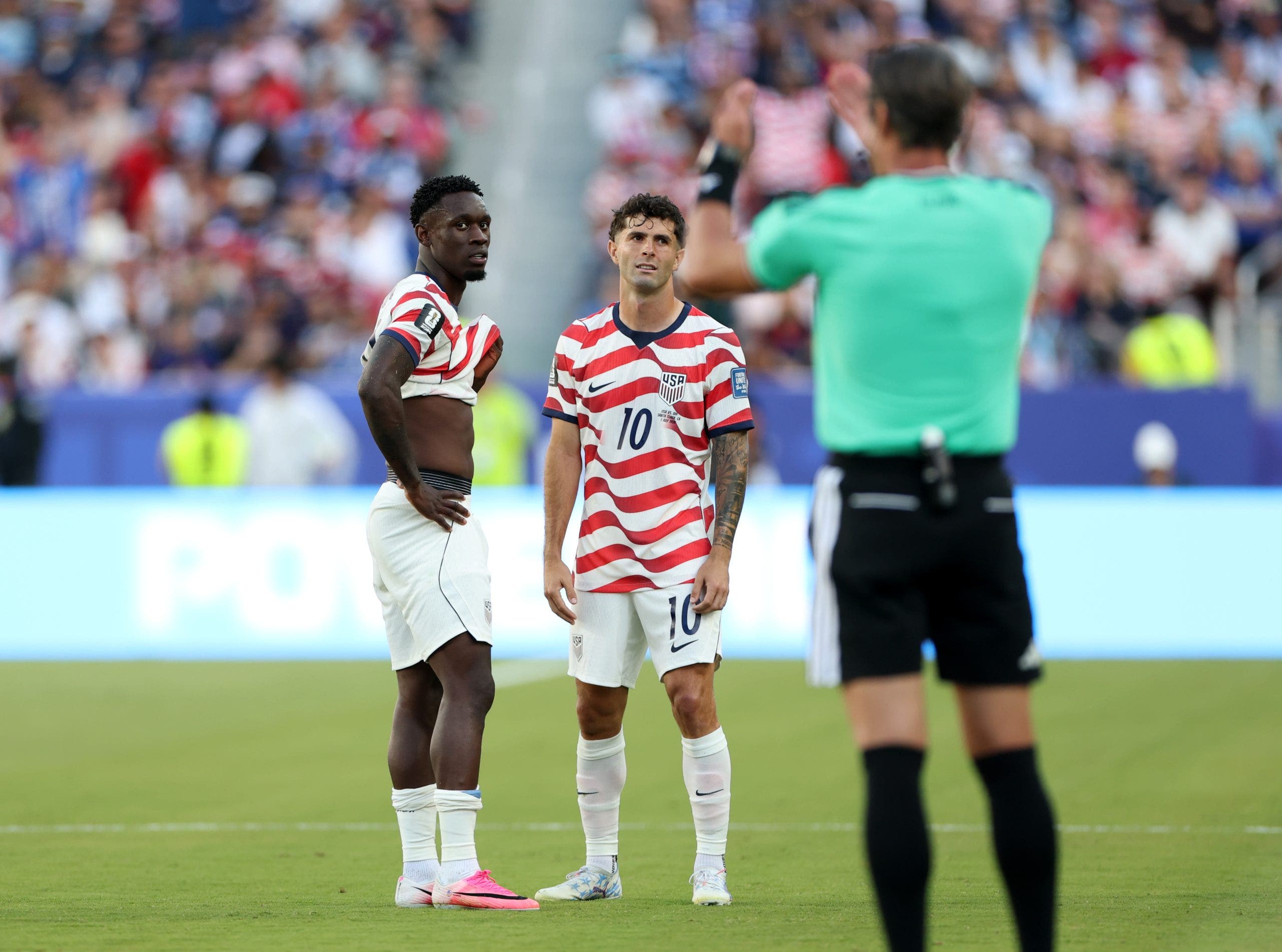
The U.S. exited the 2026 World Cup in the round of 16. (Photo by Charlotte Wilson/Getty Images)
Or perhaps a mix of factors contributed to their downfall.
Consider this aspect as well.
The U.S. faced a shocking setback by failing to qualify for the 2018 World Cup, landing in a clash between two generations. This issue was previously noted by FOX Sports contributor Brian Sciaretta before the calamitous loss to Trinidad & Tobago in 2017: a “black hole of development” among athletes born between 1990 and 1996.
During the 2018 cycle, the aging veterans were too old, while young talents like Christian Pulisic, Tyler Adams, and Weston McKennie were still developing.
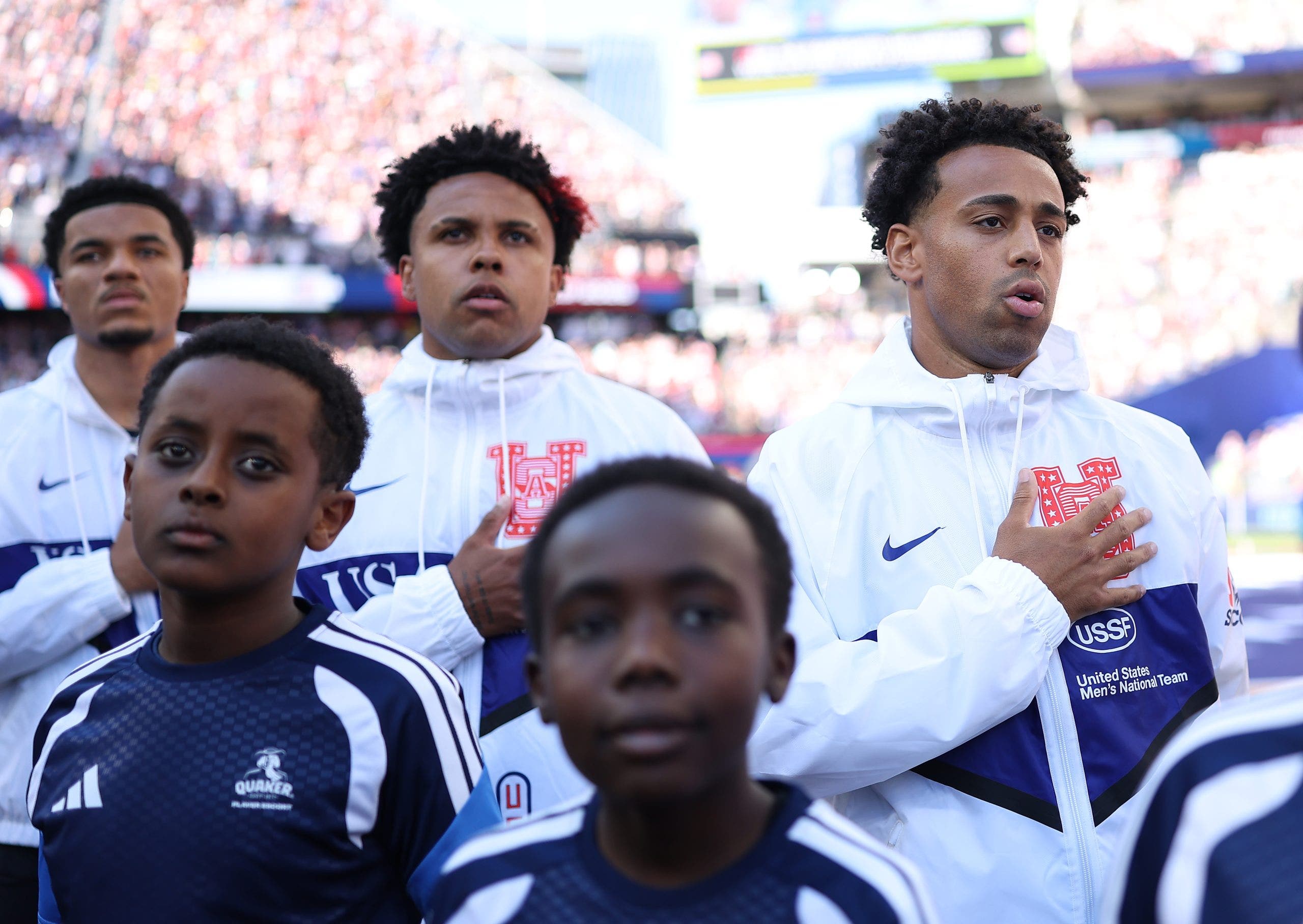
Weston McKennie and Tyler Adams are now guiding younger players. (Photo by Sarah Stier – FIFA/FIFA via Getty Images)
That debacle also marked the end of illustrious careers for 38-year-old Tim Howard, 35-year-old DaMarcus Beasley, and 34-year-old Clint Dempsey. Consequently, attention rapidly shifted toward the newly identified players, as Howard acknowledged in a podcast last week.
When Tyler Adams, then 18, and Weston McKennie, then 19, made their U.S. debuts in a friendly in Portugal a month later, only Alejandro Bedoya and DeAndre Yedlin had World Cup experience among a roster predominantly filled with youngsters. The absence of veteran players to transmit a solid culture to the new talents was notable.
Adams remarked, “When I entered the national team, there was a significant gap. It was mainly young players, 17 and 18, alongside individuals in their early thirties who were obviously phasing out.”
By the time Richards debuted as a 20-year-old in 2020, veterans Jozy Altidore and Michael Bradley had also completed their national team journeys. It’s no surprise that Richards hesitated before naming who he relied on when starting; he eventually mentioned fellow defenders Tim Ream and John Brooks, neither of whom had World Cup experience at the time, while he often found himself training with former youth national team mates.
In contrast, the upcoming match against Peru indicates a shift. Coach Mauricio Pochettino has crafted a nearly balanced squad with a mix of uncapped youth—eight are teenagers—and members from the 2026 World Cup roster.

Cavan Sullivan is viewed as the next U.S. soccer star. (Photo by Terence Lewis/Icon Sportswire via Getty Images)
At just 27, Adams already boasts two World Cup appearances and over 250 club games in top-tier leagues like the Premier League and Bundesliga. Even though key players Pulisic and McKennie will miss upcoming friendlies after recent injuries, the current roster exhibits significantly more experience compared to the one Adams and Richards joined as newcomers.
Regarding team integration, Richards emphasized the importance of ensuring everyone understands they must continually earn their spot: “Just because you’re here doesn’t mean you can stop pushing. This is merely the beginning.”
Additionally, he noted the significance of creating a welcoming atmosphere for newcomers, having recently led the team’s initiation tradition that requires rookies to sing during meals.

Chris Richards and Sergiño Dest contribute to a mixed roster of youth and experience. (Jane Gershovich/ISI Photos/ISI Photos via Getty Images)
This kind of mentorship will be crucial as the team prepares for official competitions starting in November with the 2026-27 Concacaf Nations League. A Gold Cup is scheduled for next summer, with many current players eligible for the 2028 Summer Olympics in Los Angeles and a potential Copa América in the same year. Qualification for the 2030 World Cup will commence afterwards.
Reflecting on the qualifiers for Qatar 2022, Pulisic’s generation had only Yedlin possessing experience in both the lengthy regional qualifiers and the prestigious tournament itself. Meanwhile, among this new, deliberately experimental roster, seven players—Adams, Richards, Sergiño Dest, Yunus Musah, Gio Reyna, Antonee Robinson, and Miles Robinson—have that requisite experience.

The U.S. might have suffered from the absence of competitive matches over the past four years, as they secured automatic qualification for 2026 as co-hosts, coupled with a lack of players in their early thirties, when the pressure of the Belgium match heightened. Ream certainly felt the effects of age during that game, though blame was widely shared. Notably, only one player aged 30 to 33 remained on Pochettino’s latest roster: backup keeper Matt Turner, whereas World Cup champions Spain had nine in that age range. There’s a strong expectation of more seasoned players by the time 2030 arrives.
Richards expressed confidence about the future, stating, “We have plenty of significant matches behind us along with players who’ve competed at high levels in club football. These experiences will benefit the national team moving forward.”
“The senior national team is a different challenge,” Richards continued. “It’s about keeping everyone grounded during tough times, while also recognizing we have confidence from our previous achievements.”

This is a resource that Adams, Richards, and their teammates lacked at the outset.
“Coming in, there was immense pressure to perform immediately to qualify for the next World Cup after failing to qualify previously, and I had to step up as a young captain in Qatar,” Adams recalled.
“This younger generation has the privilege of not facing such immediate pressure, allowing them to develop properly,” he added. “I believe they’re in an excellent position for growth moving forward.”
This news is significant for soccer fans as it highlights a critical transition within the U.S. men’s soccer team, with a wealth of potential talent emerging alongside seasoned players. This creates optimism about the team’s future performance in international competitions, suggesting a more competitive landscape for American soccer.
Source: www.foxsports.com