

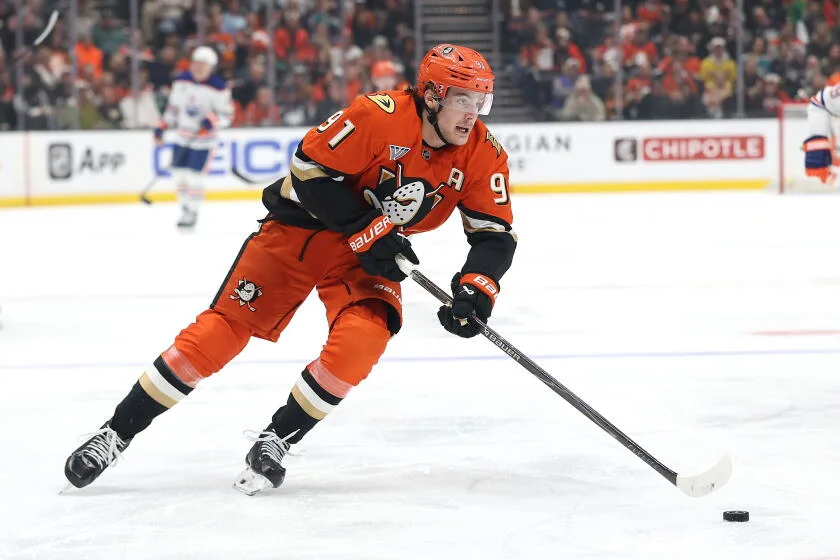
Last year, Joel Quenneville took on the challenge of leading the Anaheim Ducks with the primary goal of reaching the playoffs. Not only did he achieve that, but the team surpassed expectations by setting a franchise record with 273 goals, spending a significant portion of the season at the top of the Pacific Division, defeating the Edmonton Oilers in the first round, and then narrowly losing to the Vegas Golden Knights, the eventual conference champions, in the second round.
This accomplishments prompts a question for Quenneville and the Ducks as they enter a summer filled with change: what’s next for the team? Quenneville acknowledges that expectations are now higher but emphasizes that maintaining focus is an ongoing challenge. The previous season marked a dramatic turnaround from seven consecutive losing seasons, with many players now aiming beyond just making the playoffs—aspiring to go as far as possible and even winning the Stanley Cup. Goalie Lukas Dostal expressed confidence in the team’s culture and potential, while captain Mikael Granlund stressed the importance of aiming for more than last year’s achievements.
In the offseason, the Ducks have invested heavily in their roster, most notably signing 21-year-old center Leo Carlsson to an $90 million, five-year deal—making him the highest-paid NHL player this season—after serious interest from other teams. They also re-signed key restricted free agents Cutter Gauthier and Pavel Mintyukov and extended center Tim Washe. Gauthier led the team with 41 goals and 69 points last year, reflecting the team’s renewed focus on rewarding performance.
Despite these signings, the team faced significant roster changes, parting ways with veteran winger Chris Kreider, along with several seasoned defensemen, to make space for new talent. The season will also be affected by the absence of forward Troy Terry, who is sidelined until after winter due to hip surgery. This leaves the Ducks with a relatively inexperienced lineup up front and a somewhat depleted defense—facing issues like giving up 288 goals last season, the fourth-most in the league.
While veteran additions like A.J. Greer and Nick Jensen aim to bolster the lineup, the Ducks remain one of the youngest teams in the NHL. However, Quenneville has a track record of developing young squads into contenders, having led an underdog Chicago Blackhawks team to a Stanley Cup victory more than a decade ago. To reach similar heights, the Ducks’ recent investments must prove fruitful, especially in light of their offseason departures. The team now carries a target on its back, aware that last year’s surprise success has made them a more recognized opponent.
This report originally appeared in the Los Angeles Times.
Fan Take: This season is crucial for the Ducks’ future—how they handle the increased pressure and whether their new additions can truly solidify a competitive edge will be fascinating for hockey fans. It’s a reminder that even young, rebuilding teams can quickly rise to respectability or falter, making every game more thrilling to watch.
Source: sports.yahoo.com
