

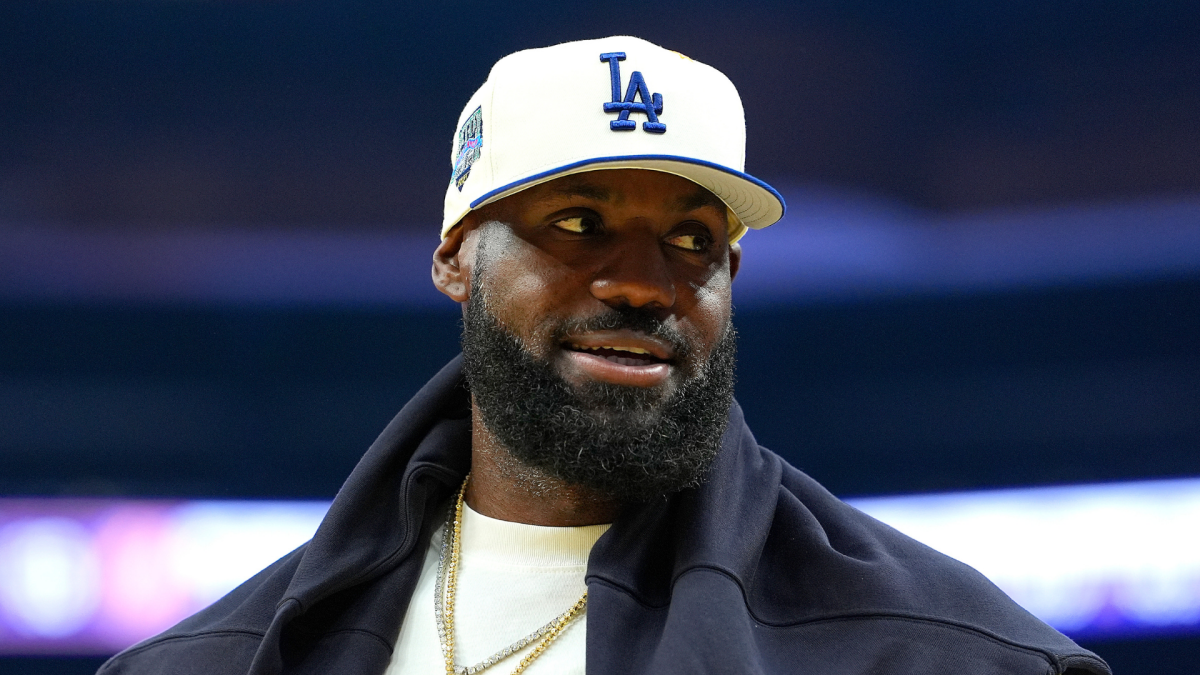
LeBron James is set to make his season debut Tuesday night against the Utah Jazz, ending a lengthy period sidelined. Having been the cornerstone of his teams for nearly 20 years, James has often carried franchises on his back, but he has expressed a desire for change throughout his career—evident in his move from Cleveland to Miami and his willingness to share leadership roles. Despite the Lakers’ efforts to support his game, including attempts to improve his ball handling and the controversial Russell Westbrook trade, James has mostly operated as the primary force on the court, controlling the game’s outcome, especially in crucial moments.
Throughout his career, James truly shined during moments overlapping with prime teammates like Dwyane Wade and Kyrie Irving, though he tends to dominate the ball due to ingrained habits developed over two decades. After the Lakers acquired Luka Doncic, there was some competition for leadership and shooting attempts, but James still maintained predominant roles, especially in the final quarters of games. Doncic’s arrival partly signaled a shift, but the full transition of leadership has yet to occur entirely.
With James’ injury keeping him off the court so far this season, the Lakers have had the chance to grow without the constant shadow of his presence. Doncic is playing at an MVP level, and players like Austin Reeves, Rui Hachimura, and Deandre Ayton are thriving, indicating a more balanced team dynamic. This is a new experience for James, who is now joining a team that does not rely solely on him. His injury might prove beneficial as it allows him to reintegrate gradually and find his place in this evolving squad.
James has described feeling like a “newborn” athlete as he returns, needing to rebuild his stamina and rhythm. The Lakers benefit from an upcoming schedule featuring relatively manageable opponents, giving James a chance to ease in with limited minutes. Although James will never be just another role player given his exceptional talent, the Lakers are hoping he can find a balance by contributing around 18-20 points per game to complement Doncic and Reeves without disrupting their offensive flow.
In recent years, James has adapted by scoring more in transition and becoming a reliable catch-and-shoot player. His catch-and-shoot three-point attempts have notably increased since his time in Cleveland, and the Lakers aim for him to maintain or exceed those numbers this season. James acknowledged the importance of this aspect during media day, emphasizing the need to be effective off the ball given the team’s strong ball handlers like Luka and Austin Reeves.
Before the full extent of his injuries was known, James seemed ready to embrace a secondary role, but his imminent return will reveal how he truly handles this new position on the team. It might be a challenging adjustment to blend one of the most ball-dominant players of all time back into a team where he’s not the unquestioned leader. However, James’ versatility is a major asset, allowing him to adapt based on the team’s needs. His willingness to accept this role is crucial for the Lakers’ success moving forward.
Fan Take: LeBron’s adaptation to a supporting role could redefine the twilight of his legendary career, showing younger stars like Luka Doncic how leadership can evolve in modern basketball. For fans, this moment underscores the shifting dynamics in the NBA, where superstars must balance personal dominance with team synergy to chase championships.