

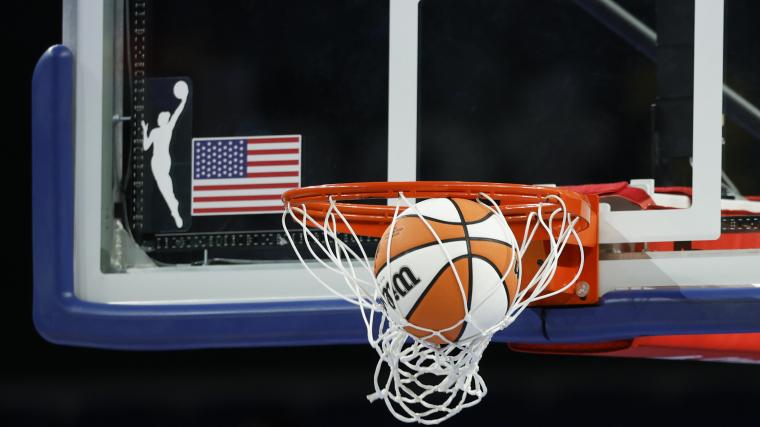
Here’s what could happen if the WNBA does not approve the new Collective Bargaining Agreement (CBA), originally reported by Sporting News.
The clock is ticking for the WNBA and the Women’s National Basketball Players Association (WNBPA). On October 30, both parties agreed to extend the current CBA for an additional 30 days, aiming to finalize a landmark new contract by the end of November.
Recently, the WNBA proposed a deal to the union that included a supermax salary of $1.1 million for qualifying players. While the $1 million salary cap attracted significant national attention, the union found the overall offer lacking.
A primary issue is that the WNBA has reportedly not assured players they will benefit from the league’s anticipated financial growth via improved revenue sharing, like what is practiced in the NBA and NFL. This has led to a deadlock that could disrupt the league’s schedule.
In 2026, the WNBA will welcome two new teams, the Portland Fire and Toronto Tempo. These teams will need to participate in an expansion draft to build their rosters by selecting players from the existing 13 franchises. However, the expansion draft cannot proceed without a new CBA in place.
If no major progress is made within the next two days, the league and union might agree to extend the current agreement through the end of 2025. This approach has precedent, as a similar extension allowed talks to continue in early 2020.
Negotiations could carry on even if a new agreement isn’t reached in time. A work stoppage, whether a lockout initiated by owners or a strike by players, requires a formal vote to begin. Despite expectations, there has been little advancement in talks over the last month, leaving the WNBA and its players in a vulnerable spot. This uncertainty is especially critical given the emergence of a competing offseason league, Project B, which could impact the future landscape of women’s professional basketball.
Fan Take: This negotiation is crucial for WNBA fans because the outcome will shape the league’s financial stability and player welfare for years to come. Without a fair CBA, the growth and visibility of women’s basketball may face setbacks, potentially affecting the sport’s momentum and fan engagement.