This story is part of FanSided’s “Fandom of the Year” series, which highlights the teams, athletes, and culture that shaped sports fandom in 2025.
Growing up as a basketball-crazy kid in Oakland, California, in the late 1990s, I would end my days whispering to a poster of Lisa Leslie above my bed. The WNBA’s “We Got Next” campaign was fresh, and it felt both improbable and destined that I might one day carry forward the legacy of women’s pro basketball. That belief lasted only a few years during my childhood, giving me a rare glimpse of fearless hope in my basketball journey.
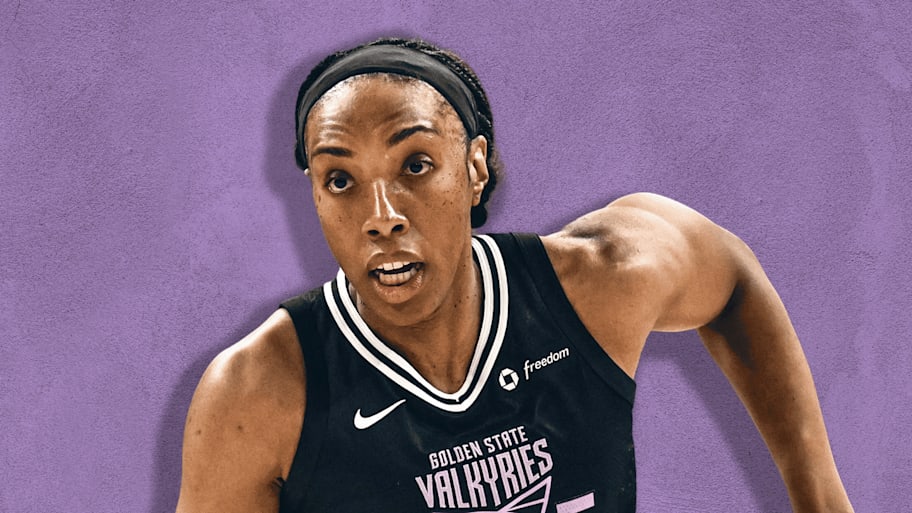
Ultimately, elite basketball wasn’t for me, and I stopped playing after high school. Over time, I began to avoid the WNBA, influenced by harmful stereotypes and internalized homophobia that painted the league as “uncool.” But both the league and I grew more open and accepting as I moved to Chicago in my twenties, since the Bay Area had no team back then. It wasn’t until the summer of 2025, during the inaugural season of the Golden State Valkyries, that I felt that original, radical hope for women’s basketball return.
An Expansion Team with No Guarantees
As the WNBA season neared in May, excitement built around the Valkyries. Over 10,000 fans bought season tickets quickly, drawn to the team’s vibrant marketing and its signature lavender—officially “Violet”—merchandise sold throughout the Bay Area. But as games approached, nerves crept in. Expansion teams often face challenges: rosters form from unprotected players seeking new homes. Fans interviewed on public transit had humble expectations, saying things like, “I don’t expect much this season; it’s the first game,” or “The odds of winning are really bad, but I’m here to have fun.”
The Valkyries ended up having a middle-of-the-road season, showing promise but far from dominance.
A Team Built to Fight, Led by Natalie Nakase
Head coach Natalie Nakase, the team’s courageous leader and just 5’2”, perfectly embodies the underdog spirit. A former UCLA point guard and NBA assistant coach, she became the WNBA’s first Asian American head coach. Nakase and general manager Ohemaa Nyanin handpicked the Valkyries’ players, blending veterans like Veronica Barton—released by Dallas Wings in 2024—and Kayla Thornton, a fan favorite in Brooklyn, with overlooked talent and international rookies Carla Leite and Janelle Saran.
Nakase described building the team from scratch as an opportunity to strategically select players with intent, emphasizing defense, grit, and willpower. “We’re killers,” said sophomore guard Kate Martin, reflecting the team’s fierce mentality.
Their first game, against the Los Angeles Sparks, electrified a packed Bay Area crowd, though the Valkyries ultimately lost due to turnovers and a stellar performance by Sparks’ Kelsey Plum. Still, the team won hearts with their tenacity and potential.
A Fanbase Forged by Loss and Resilience
Thousands packed Chase Center for every Valkyries game, creating a diverse crowd that embraced the team’s distinct culture—renaming the arena “Valhalla” and adorning it with mythical imagery. Yet this fandom is deeply rooted in Northern California’s history of losing pro women’s basketball teams like the San Francisco Pioneers, San Jose Lasers, and Sacramento Monarchs. The pain of those past collapses unites fans, many from the LGBTQIA+ community, who have long supported women’s basketball without always getting the experience they deserved.
During the season, I shared stories and celebrations with longtime fans, including queer communities who found a home with the Valkyries. The energy was electric and filled with a sense of belonging.
Building Momentum and Defying Expectations
After their opening loss to the Sparks, the Valkyries went on to defeat them three more times and scored thrilling upsets over top teams like the Indiana Fever and Las Vegas Aces. They narrowly lost in the first playoff round to the Minnesota Lynx but secured a coveted postseason spot, surprising everyone.
The team’s strength comes from a collective of players who were overlooked elsewhere. Center Temi Fagbenle called them “Six Women,” united by their diverse backgrounds and shared determination. Each player stepped up at different moments, backed by enthusiastic fans who quickly became a “superpower” for the team.
A Unique Fandom Reflecting Bay Area Values
Valkyries fans aren’t just casual attendees—they represent multiple generations of historically excluded communities. Remarkably, only 5% of season ticket holders also held Warriors NBA tickets, replacing the typical tech-industry crowd with passionate, queer-led women’s basketball supporters.
In a region marked by gentrification and change, Valkyries fans signed on to a vision of inclusivity and empowerment, reaffirming what the Bay Area identity means to them.
Looking Ahead
The future of the Golden State Valkyries is uncertain—ticket prices, roster changes, and star signings could reshape the team. But their inaugural season proved the Bay Area remains a dynamic and collective basketball community, ready to embrace a team as gritty and unique as this one. As Veronica Barton expressed with deep gratitude for coach Nakase, this team and city are daring to pioneer a new chapter in WNBA expansion.
I’m now ready to leave Chicago and fully return home to Oakland to be part of this exciting moment, where Bay Area women’s basketball fans finally have a team they can call their own.
Fan Take: The rise of the Golden State Valkyries marks a crucial moment for the WNBA, showing how new teams can galvanize passionate, diverse fanbases overlooked by mainstream sports. This story of resilience and community offers hope that women’s professional basketball can grow stronger, more inclusive, and culturally vibrant in the years to come.